


R2HC in numbers
We’ve achieved a lot in the first decade of R2HC. Here’s a snapshot of where we focus our efforts.
Our research studies
These six short blogs tell our story. We explore and reflect on topics that have played a key role in shaping the programme, and continue to inform our future direction.
77
Studies funded through annual open funding calls
32
Studies funded through responsive or thematic funding calls
Number of studies funded, by focus area
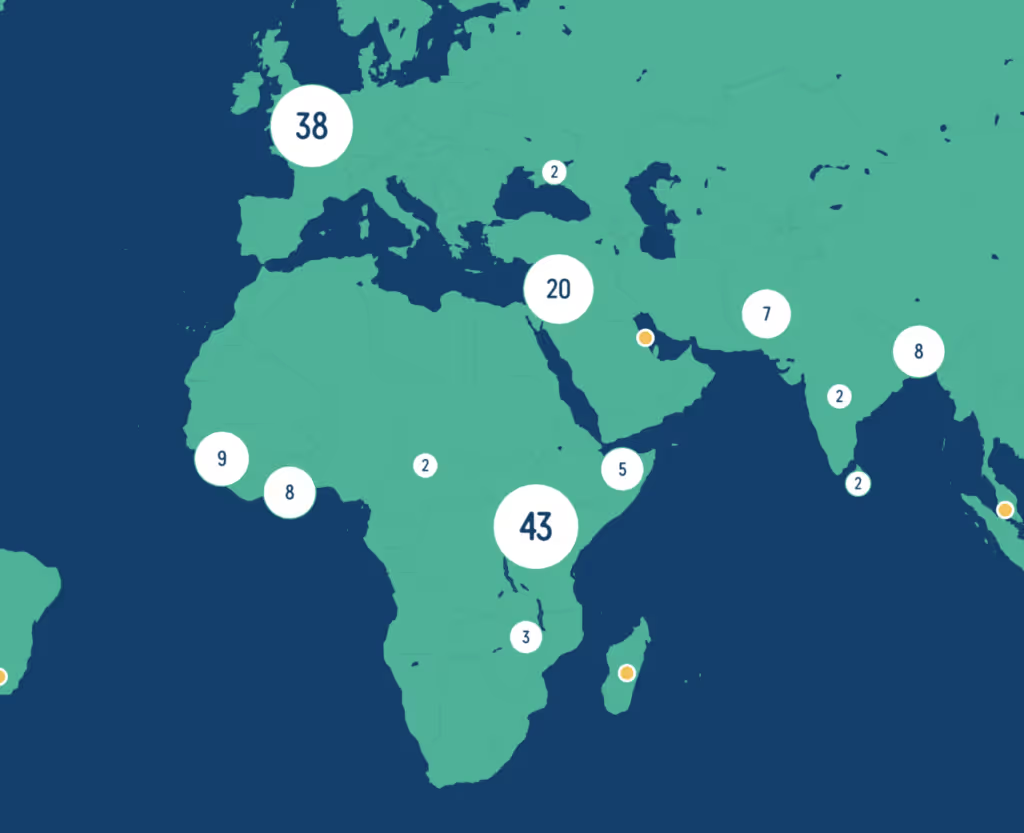
R2HC grantees, by organisation type
Who and where we fund
Our purpose is clear: to empower the humanitarian community to improve humanitarian response. We make this happen by supporting and championing the outcomes of robust research across the world.
Research outputs
Research outputs summarise the findings and implications for humanitarian operational organisations.

196
Peer-reviewed publications

7,578
Citations

106
Grey literature outputs

45
Research snapshots

20
Impact case studies
Our key publications
Our resources support the humanitarian health research community to respond to evidence gaps and deliver high-quality research.
Text Link.png)

The silent emergency of chronic diseases in humanitarian settings: the case for scaling innovative cardiometabolic care solutions
Text Link

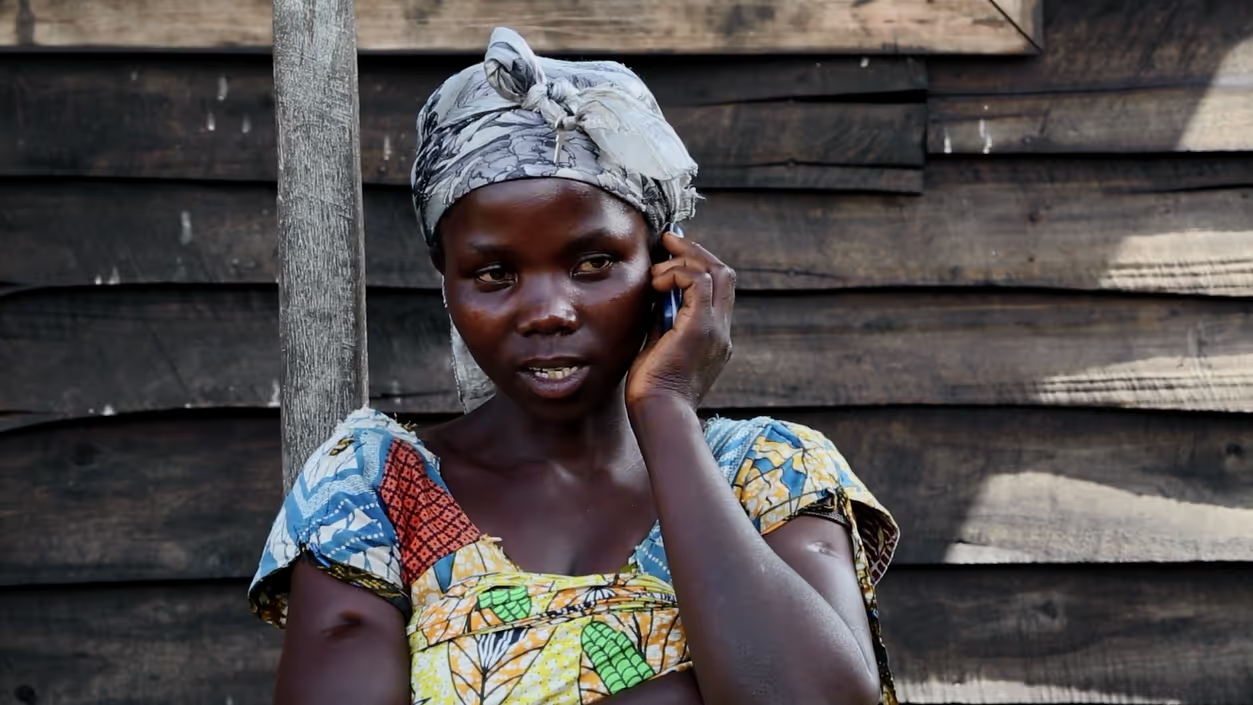
Impact case study: Using phone-based technology to support COVID-19 responses in refugee settlements
Text Link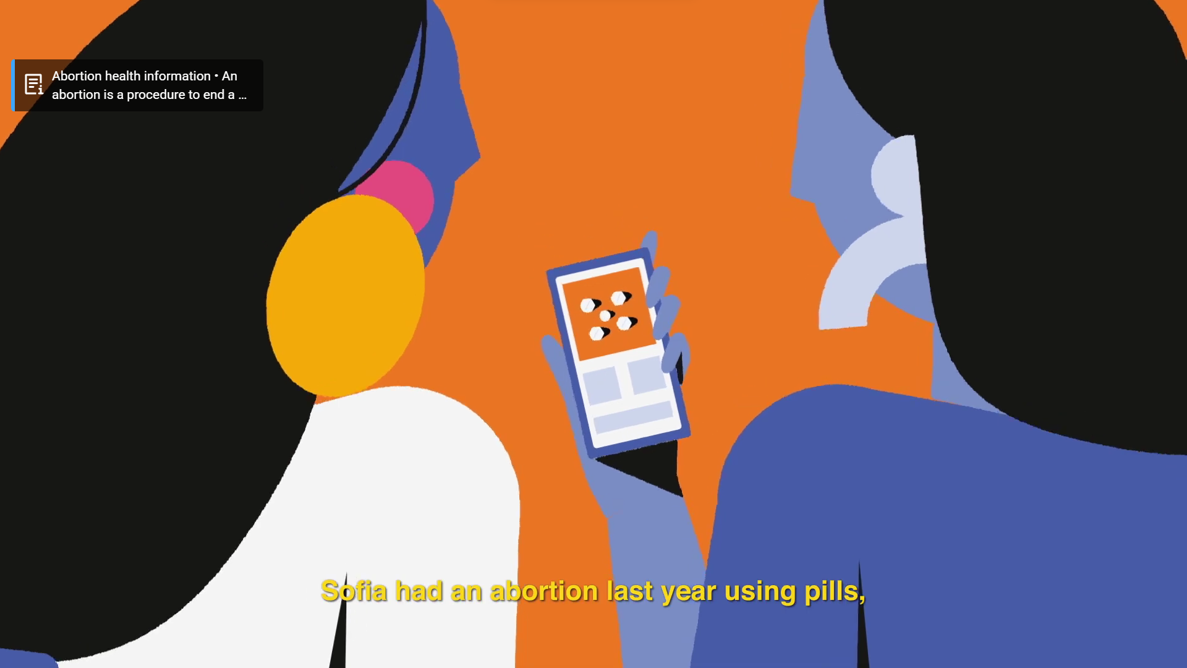
Impact case study: Improving access to safe abortion in humanitarian settings in East Africa
Text Link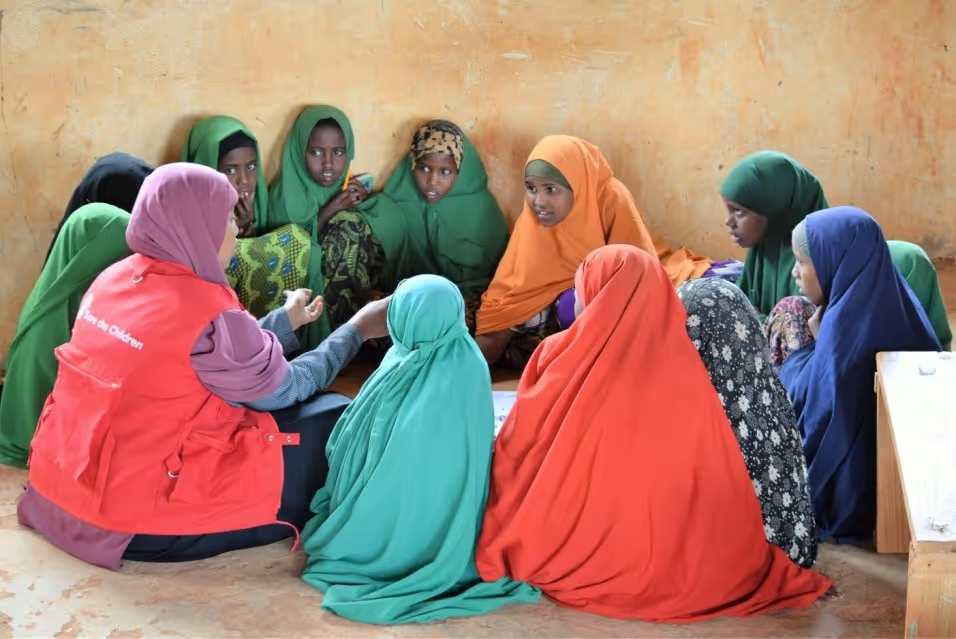
Impact case study: Transforming adolescent girls’ lives through cash-plus-multisectoral programming in Kenya
Text Link.JPG)
Impact case study: Advancing trauma recovery through early rehabilitation in humanitarian settings
Text Link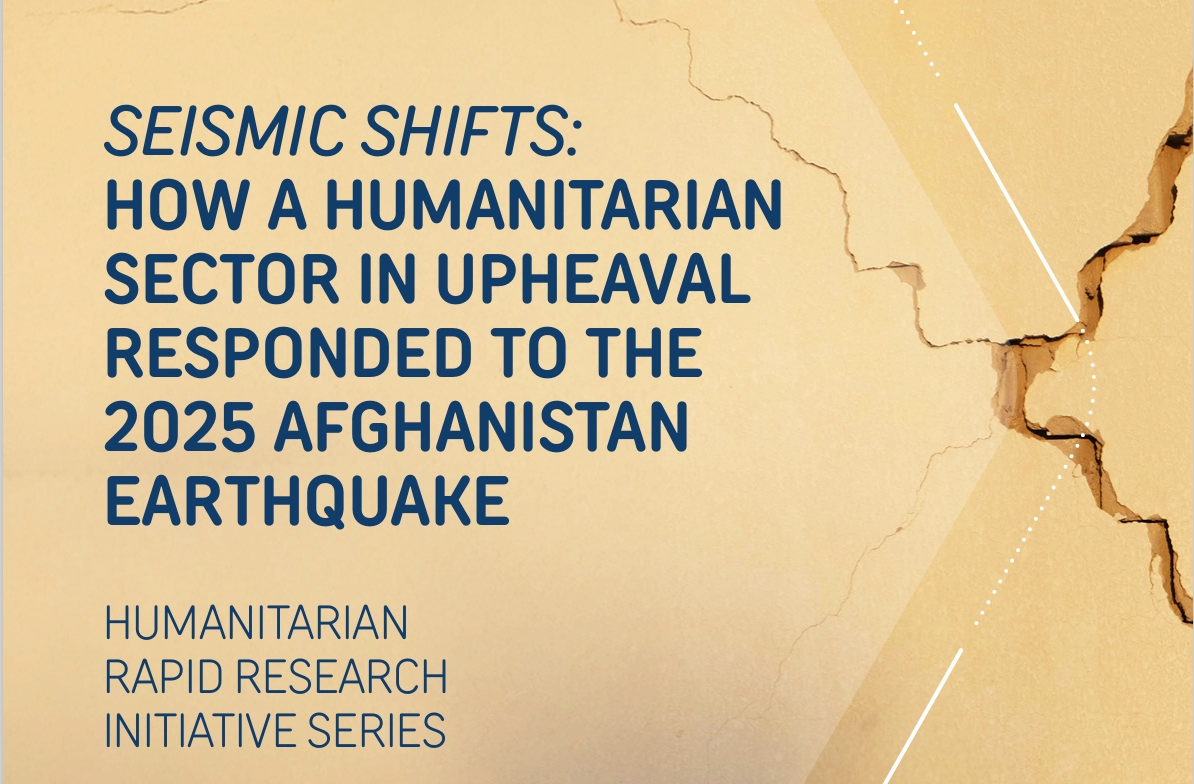

Seismic shifts: How a humanitarian sector in upheaval responded to the 2025 Afghanistan earthquake
Text Link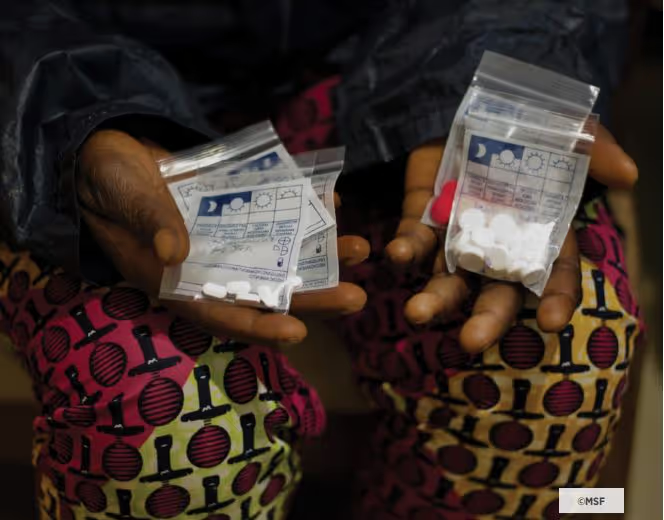
Impact case study: Strengthening post-abortion care – Evidence driving action in humanitarian contexts
Text Link

Leveraging interactive voice response technology to mitigate COVID-19 risk in refugee settlements in Uganda: Lessons learned implementing "Dial-COVID" a toll-free mobile phone symptom surveillance and information dissemination tool
Text Link
Using the Community Perception Tracker (CPT) to inform COVID-19 response in Lebanon and Zimbabwe: a qualitative methods evaluation
Text Link
Forced evictions and their social and health impacts in Southern Somalia: a qualitative study in Mogadishu Internally Displaced Persons (IDP) camps
Text Link
Development of City’s Assessment of Mass Casualty Emergency Response and Action Tool (CAMERA)
Text Link
Impacts of a sustained, large-scale liquefied petroleum gas (LPG) cooking intervention in the Rohingya refugee camp on time use, household air pollution, and health
Text Link
Large-scale distribution of liquified petroleum gas in Bangladesh's Rohingya refugee camp: Uptake, reductions in deforestation, and carbon financing potential
Text Link
Social determinants and mental health needs of Palestine refugees and UNRWA responses in Gaza during the COVID-19 pandemic: a qualitative assessment
Text Link
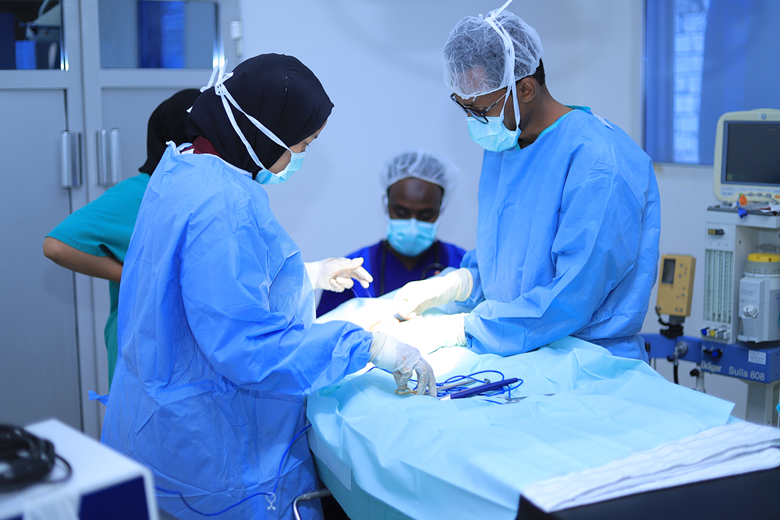
Real ethics has dirty feet: Data collector perspectives on risk exposure during data collection in conflict-affected Eastern DRC

.png)


Text Link
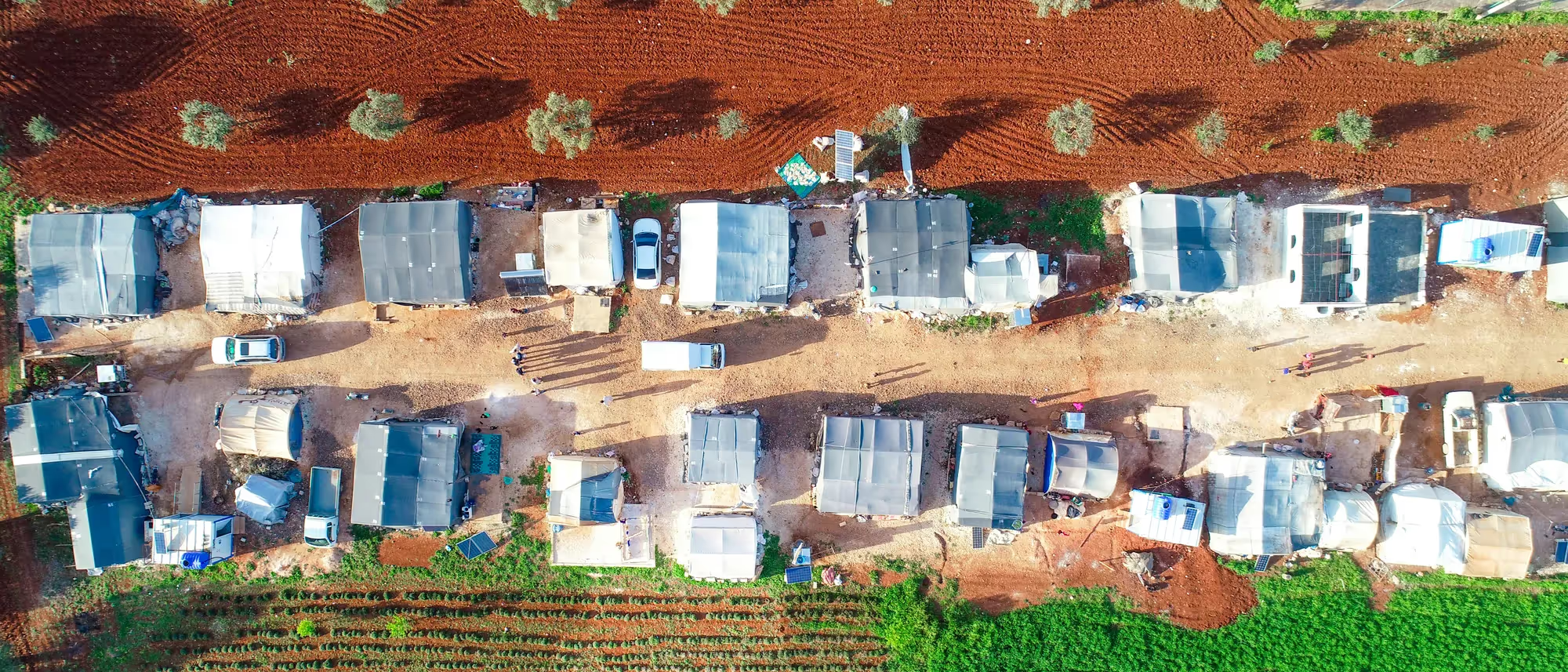
IMPACT Initiatives: Piloting Longitudinal Monitoring of Displacement Intentions to Understand Drivers of Movement and Improve Data Integrity
Text Link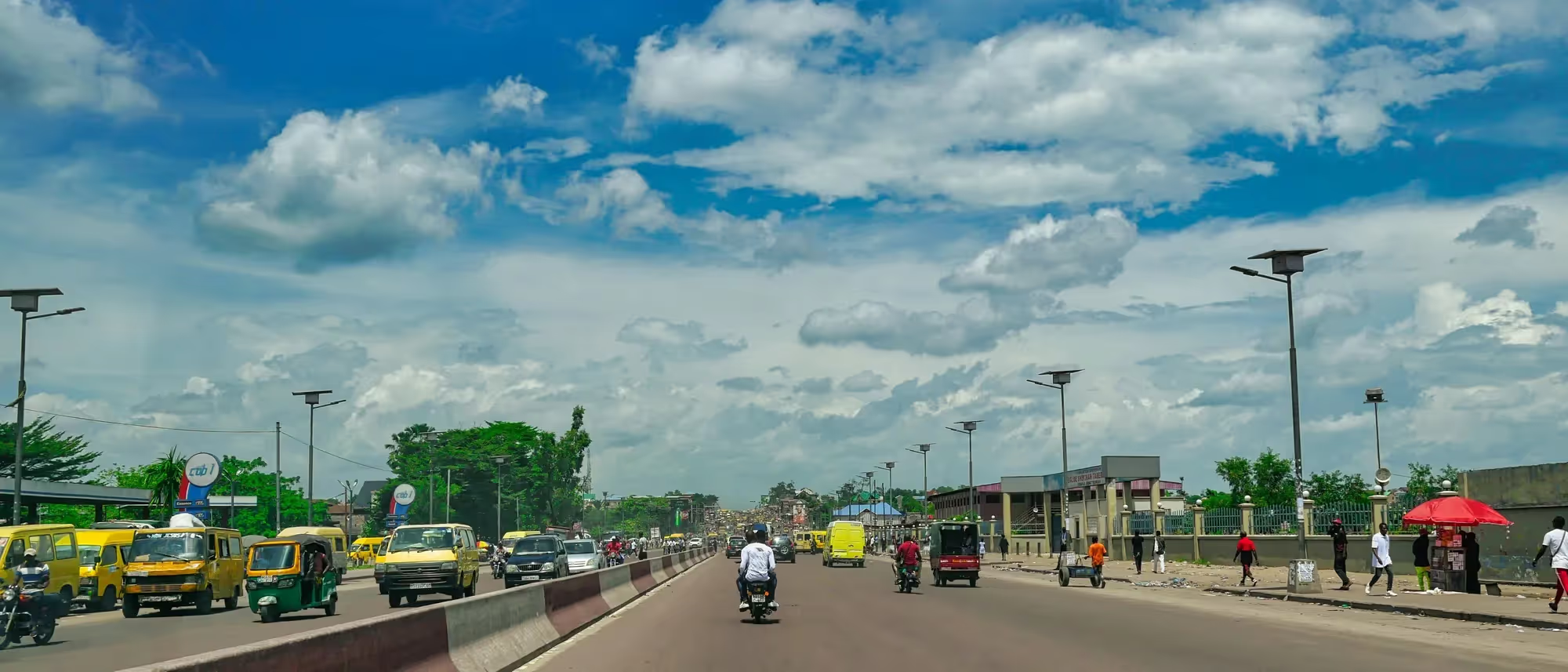
IMPACT DRC: Guiding Action in Reduced Funding Landscape - Contextualised Humanitarian Prioritisation Data for Improved Impact
Text Link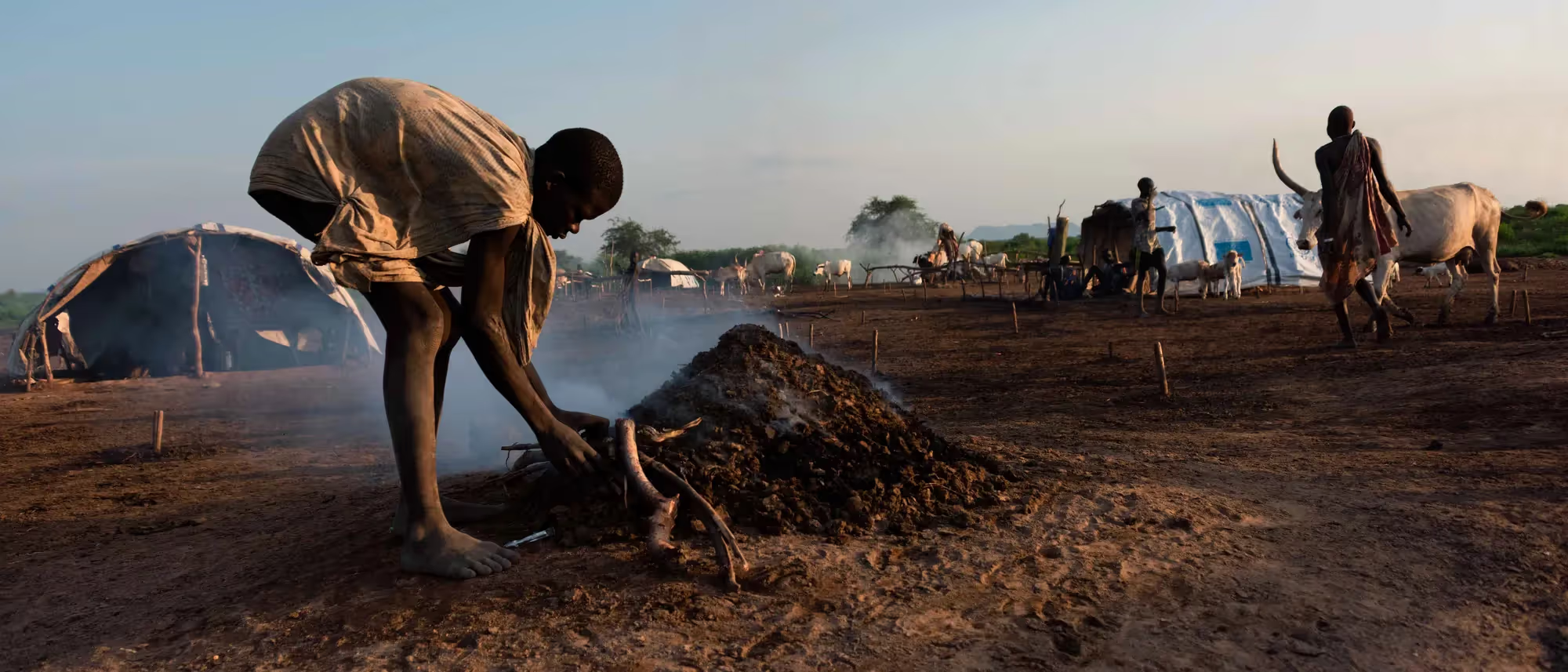
Gisa Group: Sudan Emergency Response Rooms Open-Source Humanitarian Fund Management Platform

Text Link
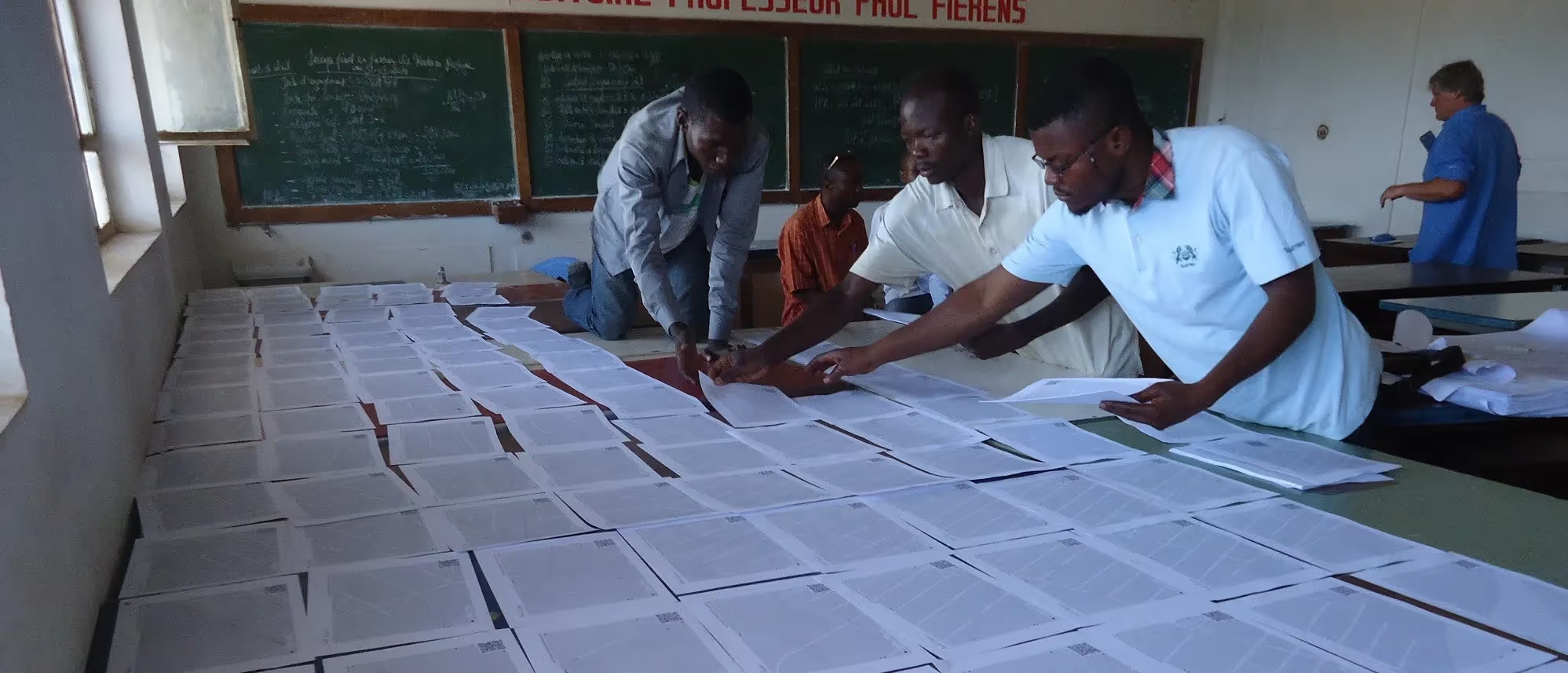
A clustered randomised controlled trial of the Living Peace intervention to reduce domestic violence in Eastern DRC: design and methods
.jpg)
Text Link
High severity of abortion complications in fragile and conflict-affected settings: a cross-sectional study in two referral hospitals in sub-Saharan Africa (AMoCo study)
Text Link
Evaluating a stepped care model of psychological support for adults affected by adversity: study protocol for a randomised controlled trial in Jordan
Text Link
A stepped-care programme of brief psychological interventions for adults affected by adversity in Jordan: Lessons from a pilot randomised controlled trial in Jordan
Text Link
The development of a World Health Organization transdiagnostic chatbot intervention for distressed adolescents and young adults
Text Link
A guided chatbot-based psychological intervention for psychologically distressed older adolescents and young adults: a randomised clinical trial in Jordan
Text Link
The 'Epidemic' of violence against junior doctors in Baghdad: reasons, impact and consequences
Text Link
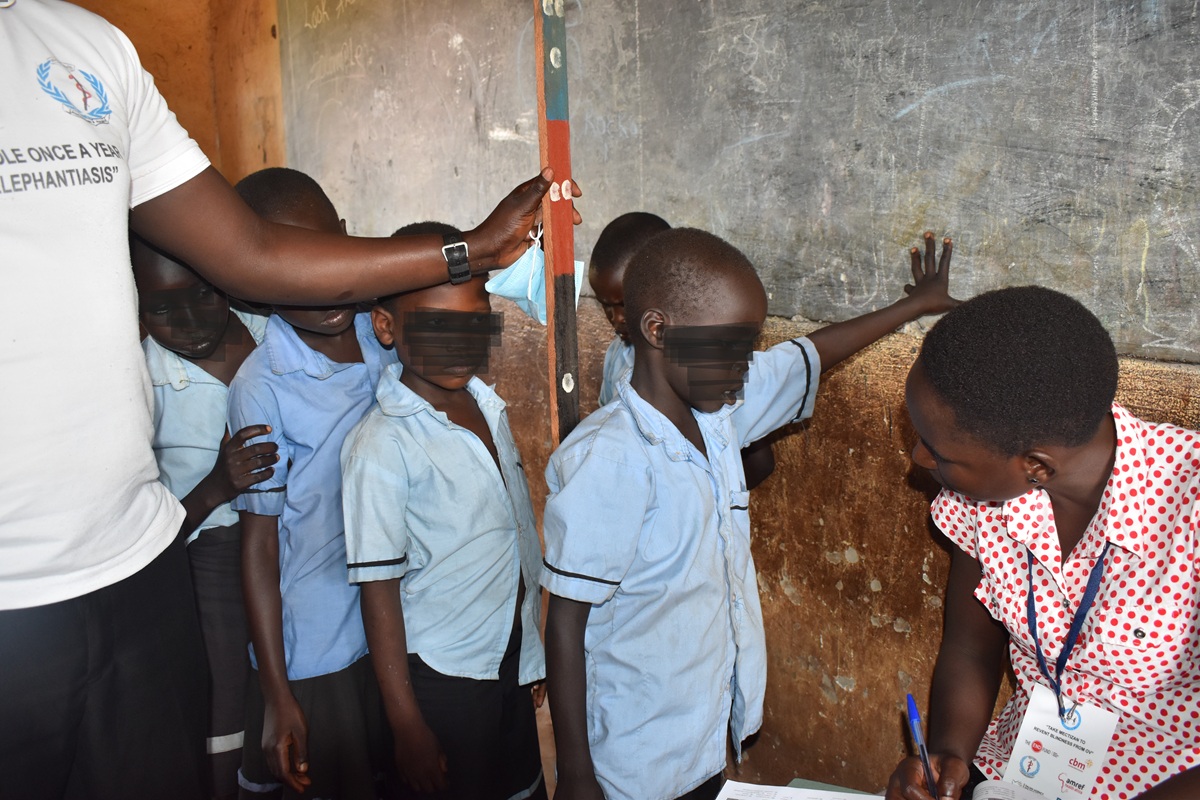
A community-based vector control intervention “Slash and Clear” implemented in two onchocerciasis-endemic foci in South Sudan
Text Link
Community-directed treatment with ivermectin in Maridi, South Sudan: Impact of an onchocerciasis awareness campaign and bi-annual treatment on therapeutic coverage
Text Link
Evaluating epilepsy management in an onchocerciasis-endemic area: Case of Maridi, South Sudan
Text Link
High epilepsy prevalence and excess mortality in onchocerciasis-endemic counties of South Sudan: A call for integrated interventions
Text Link
Methodological choices for an economic evaluation of a combined psychosocial and nutrition treatment intervention for children with severe acute malnutrition: The FUSAM trial in Nepal.
Text Link
Cost-effectiveness of decentralising acute malnutrition treatment with a standard or simplified treatment protocol: an economic evaluation in the region of Gao, Mali
Text Link
Gender and intimate partner violence considerations for cash transfer programming in South Sudan
Text Link
Monitoring independence in daily life activities after trauma in humanitarian settings: Item reduction and assessment of content validity of the Activity Independence Measure-Trauma (AIM-T)
Text Link
Factors associated with independence in activities at hospital discharge, three and six months after injury in humanitarian settings: A multicenter, prospective cohort study
.png)

Text Link
Assessing independence in mobility activities in trauma care: Validity and reliability of the Activity Independence Measure-Trauma (AIMT) in humanitarian settings
Text Link
A suicide safety protocol with vulnerable populations with chronic physical health conditions: A pragmatic protocol implementation among displaced Myanmar adults in Thailand
Text Link
Women's perceptions of person-centered comprehensive abortion care and associated factors in Northern Ethiopia: A facility-based cross-sectional study in a humanitarian setting
Text Link
Pediatric post-discharge mortality in resource-poor countries: A protocol for an updated systematic review and meta-analysis
Text Link
Smart Discharges for vulnerable refugee children: a cohort study to validate prognostic algorithms for post-discharge readmission and mortality among children living in refugee settings
Text Link
Evaluating mental health and psychosocial support outcomes of the Self-efficacy and Knowledge (SEEK) community-based randomized controlled trial in Lebanon
Text Link
Development of a village health worker care model to reduce cardiovascular risk in areas of armed conflict: Qualitative results from a participatory planning process in Myanmar
Text Link
A village health worker intervention to reduce cardiovascular disease risk in remote areas of armed conflict in Myanmar: Results from a feasibility study in three villages
Text Link
Co-creating a decision-making framework for primary healthcare models in conflict-affected Cameroon and Nigeria
Text Link
Factors influencing selection of models of primary health care delivery in conflict-affected settings
Text Link
Radio interview (in French): Pakadjuma : la grande vulnérabilité et la pauvreté à la base des épidémies, selon le Dr Jules Villa
.JPG)
.jpg)
Text Link
Epilepsy in the onchocerciasis endemic area of Deim Zubeir, South Sudan: A household survey
Text Link
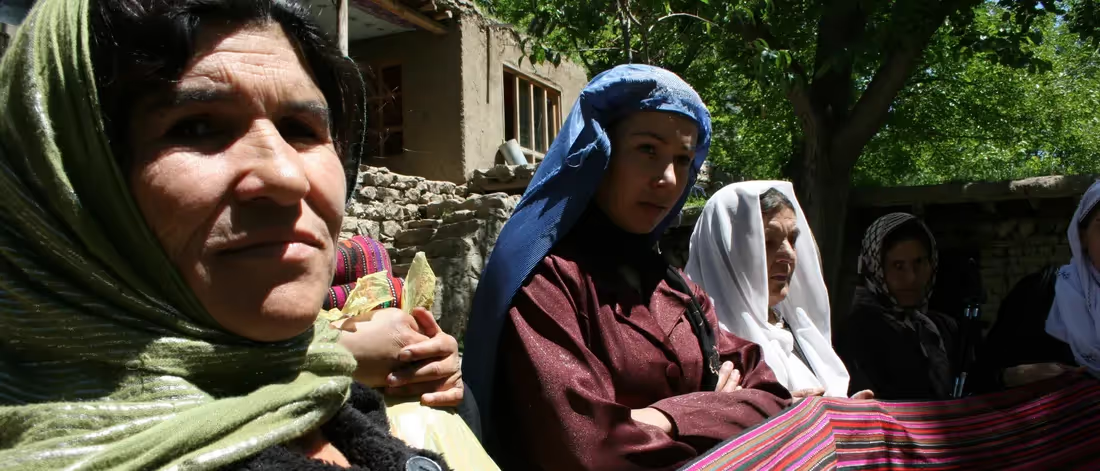
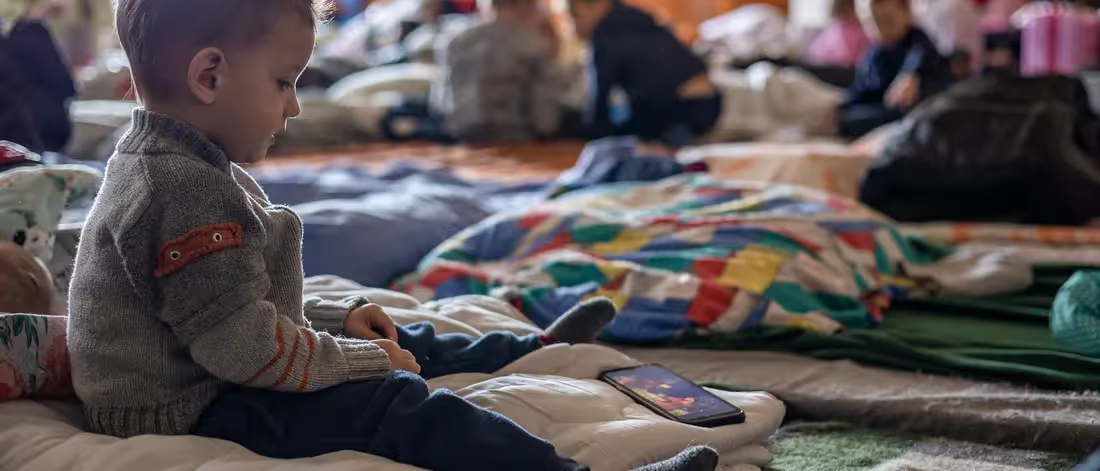
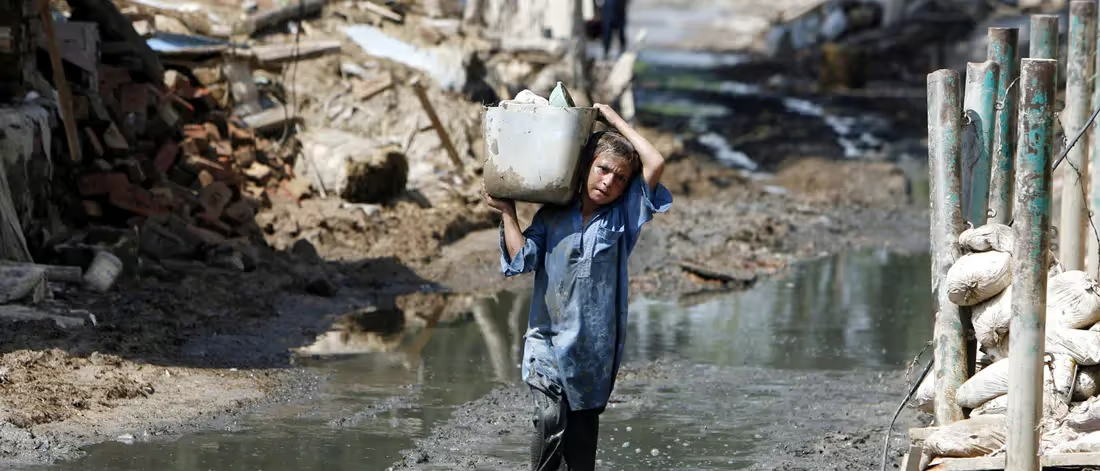
Humanitarian Innovation for gender-based violence response: lessons learned from Elrha's GBV Tech Innovation Challenge






Text Link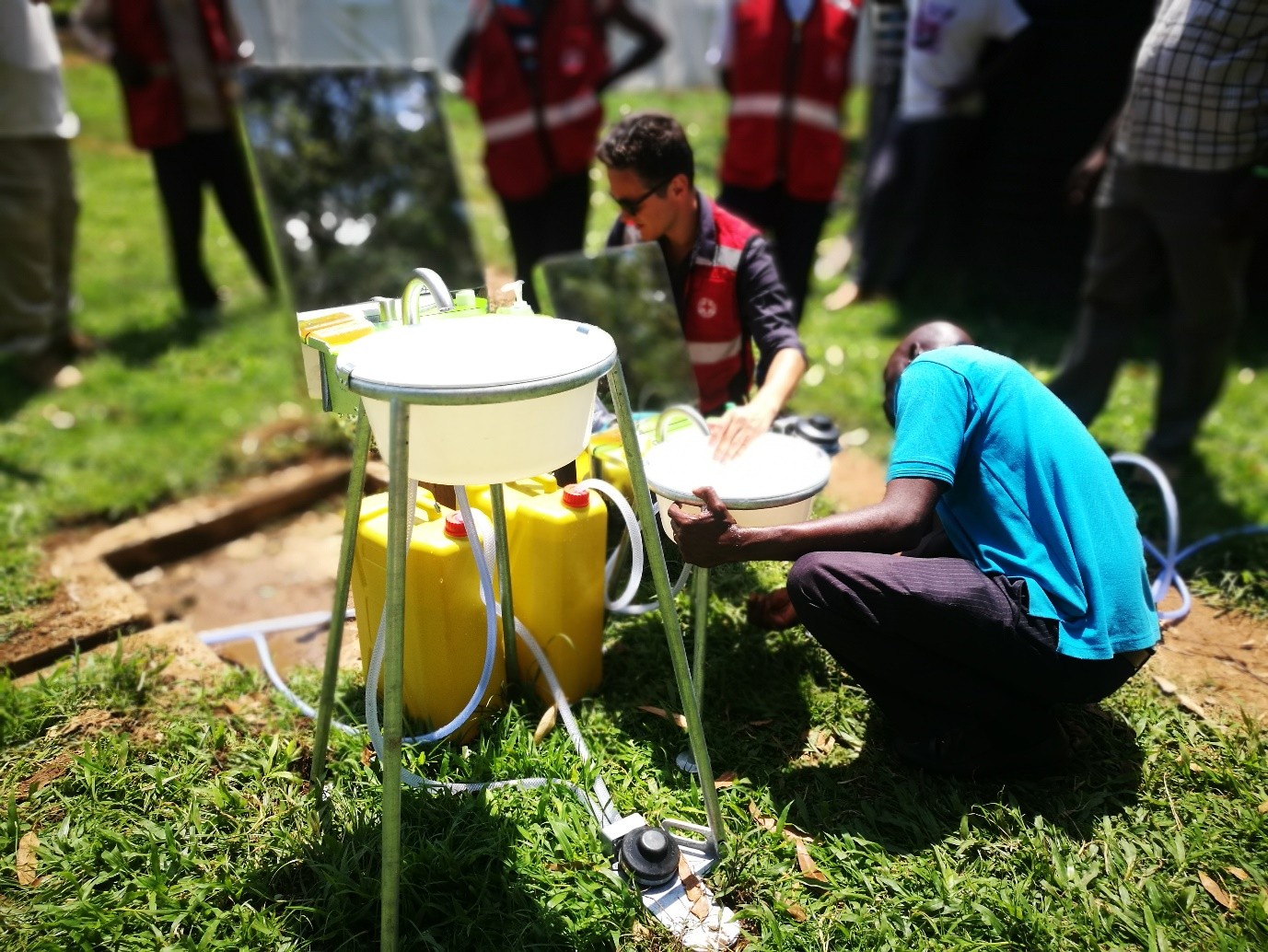

Research Snapshot: Increasing access to handwashing facilities in crisis-affected populations
- Image courtesy of [Photographer/Artist Name]
- Image courtesy of [Photographer/Artist Name]