


Research Snapshot: Rapid evidence for community-centred Ebola response


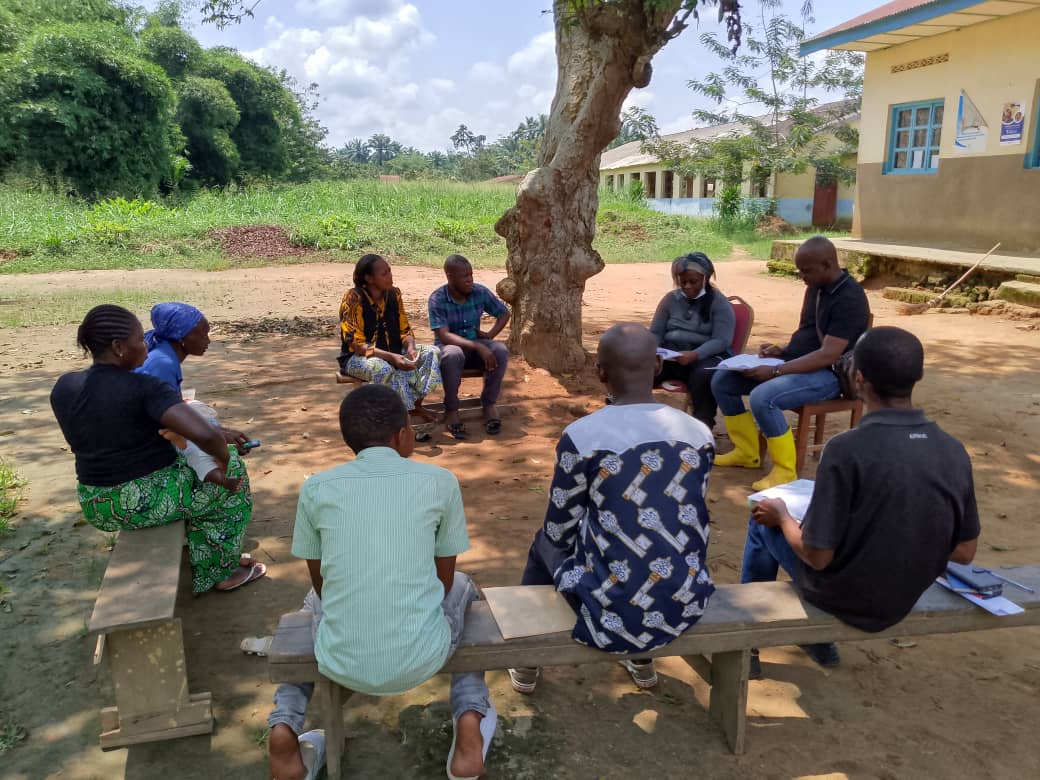

Effective outbreak control depends on how communities perceive risk, maintain social cohesion, access care, and engage with response interventions. Yet most health emergency systems lack mechanisms to generate timely evidence on these factors. On 4 September 2025, an Ebola outbreak was declared in Kasai province, DRC - a region with no Ebola transmission since 2007. Community evidence was needed to inform the public health response.
A rapid assessment for community protection was implemented across four affected health zones in Kasai province (26-30 November 2025). Using rapid qualitative methods, national field teams conducted 38 focus groups and 40 key informant interviews involving 270 community members. Priority recommendations were co-developed with response teams and validated with 165 community members.
During the 2025 Ebola outbreak in Kasai, the Democratic Republic of the Congo (DRC), national teams adapted a pre-standing, interagency rapid assessment protocol for community protection to rapidly generate community evidence and co-develop recommendations with response actors and communities. This work demonstrates the value of investing in community evidence systems as a core function of outbreak preparedness.
This snapshot contains key messages, findings, implications for humanitarian policymakers and practitioners and recommendations for further research.