


Ten insights from new humanitarian research studies in 2026
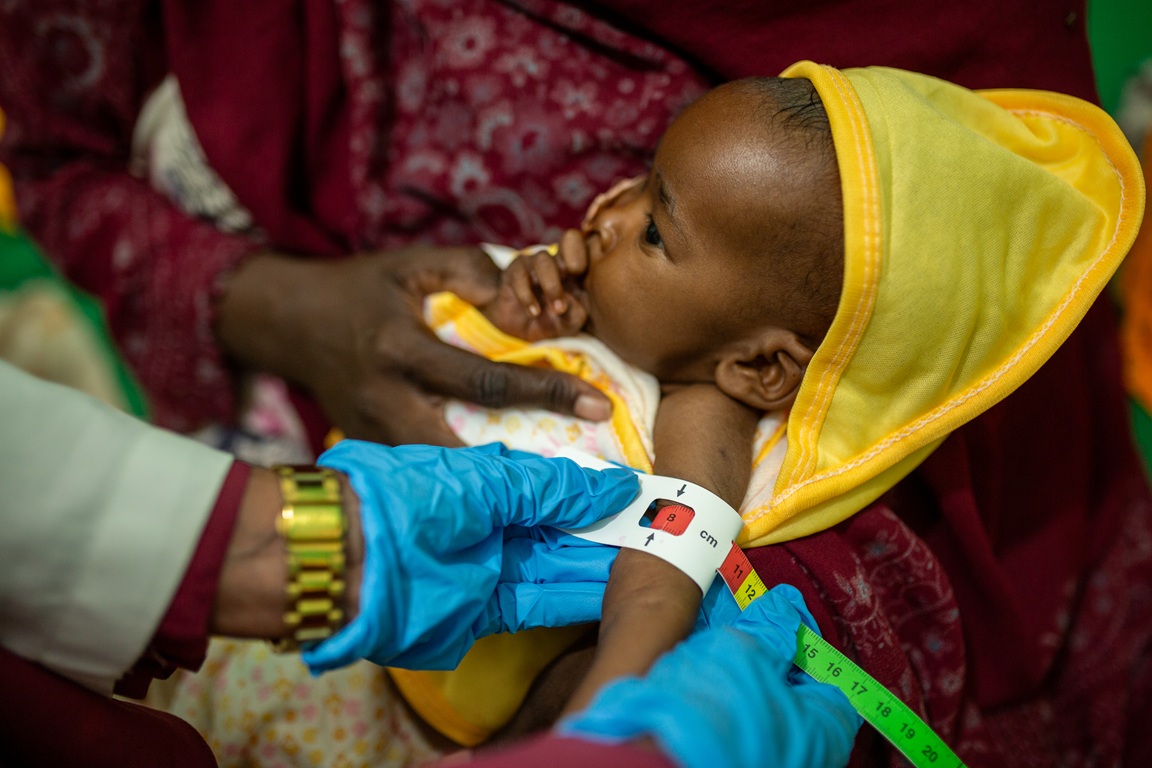


Our Research for Health in Humanitarian Crises (R2HC) programme, which closed in March 2026, supported unique research-practice collaborations aimed at strengthening public health response in humanitarian settings.
We wanted to take time to celebrate some of the important new findings and outputs from the final group of studies, and highlight what we can learn from them:
- Cash plus nutrition education shows promise for combating wasting: An RCT in Somalia found that combining cash transfers with nutrition education ('Cash Plus') significantly outperformed both cash alone and increased cash transfers in preventing acute malnutrition in children under five, at only marginally higher cost. Dr Osama Abdi Ali, Head of the Nutrition Program, The Federal Ministry of Health (MoH) Somalia, stated at the launch of the research hosted by the Global Nutrition Cluster: "Policymakers will be more likely to integrate cash transfers into national nutrition programs due to the solid data supporting their effectiveness in improving dietary diversity and food security."
- A new system to identify malnourished children most at risk in Chad: A cluster-randomised controlled trial (RCT) in Chad found that the RISQ System, which uses vital signs to help identify severely ill children, reduced risk of death by about 40% and lowered hospitalisation, supporting earlier identification and prioritisation of children most in need of care.
- How a risk prediction model can reduce mortality after children leave hospital: An observational cohort study in Uganda found that risk-based ‘Smart Discharges’ can improve post-hospital care for children by identifying those most at risk and supporting follow-up, highlighting opportunities to strengthen continuity of care and reduce preventable deaths.
- How heart disease and stroke can be prevented during conflict: A cluster RCT in conflict-affected Myanmar showed that a decentralised village health worker-led care model improved medication adherence and blood pressure control and reduced cardiovascular disease risk at low cost, while enabling continuity of care during acute displacement. Read more about our work on non-communicable diseases in humanitarian settings.
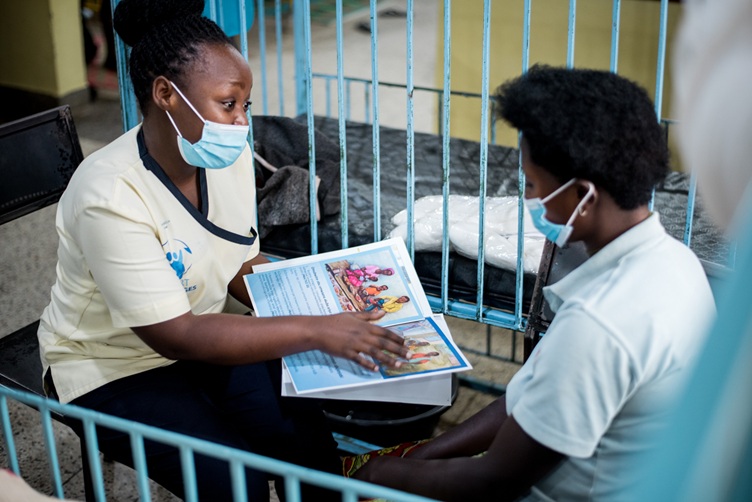
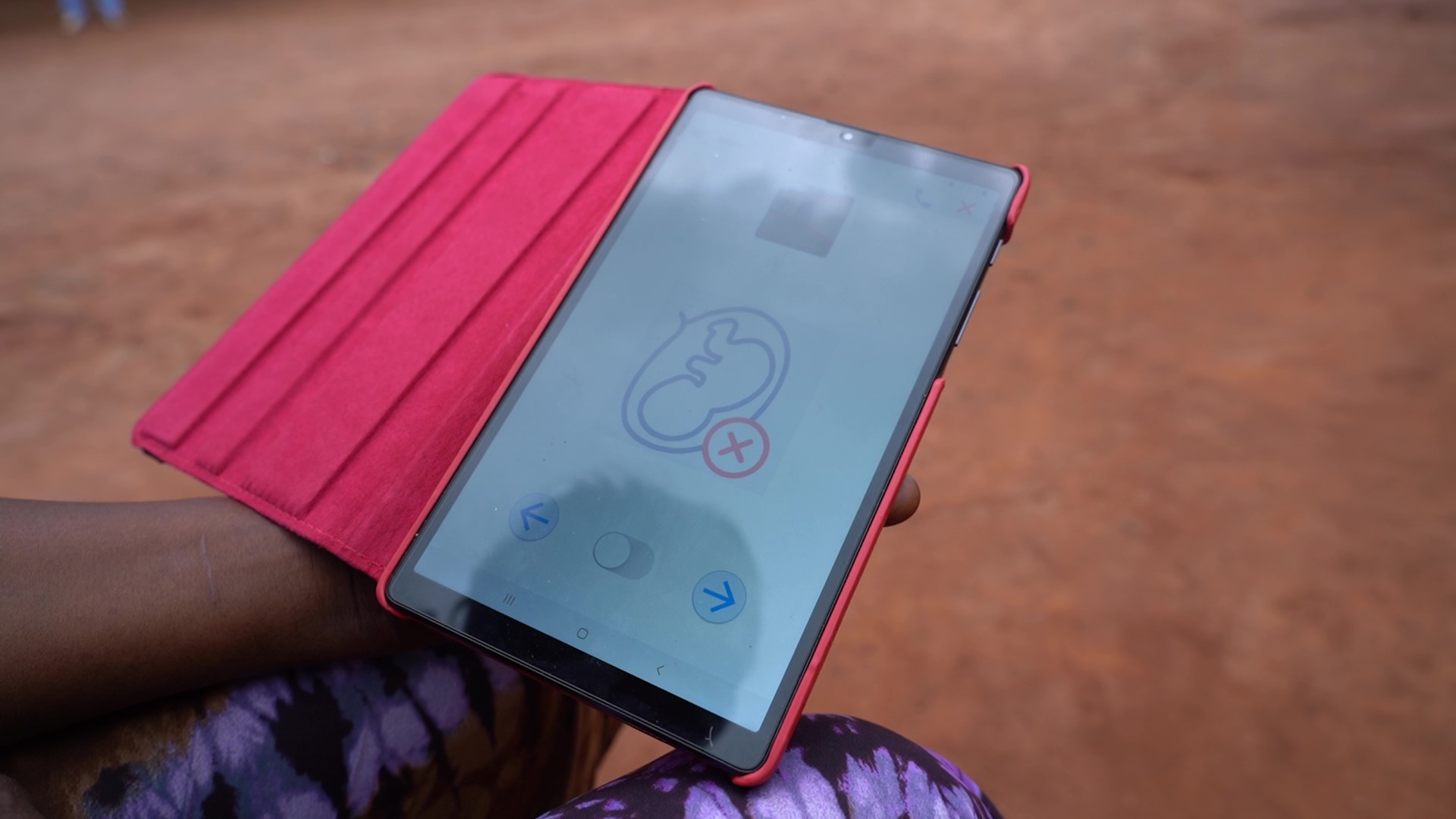
- Improving prenatal support with traditional birth attendants (TBAs): A pilot study in the Central African Republic found that collaboration between health workers and trained TBAs, supported by a digital application, improves community-to-facility referral, prenatal consultation attendance, and increases TBAs maternal health knowledge, which can support better maternal and neonatal outcomes.
- Pharmaceutical supply chains in conflict-affected in Mali: Mixed methods system research in Mali highlighted multiple barriers to the availability, access and ‘rational use’ of medicines, driven by staff shortages, insecurity, and reliance on the informal sector, with a need to strengthen training, oversight and community awareness to improve the quality and safety of medicines.
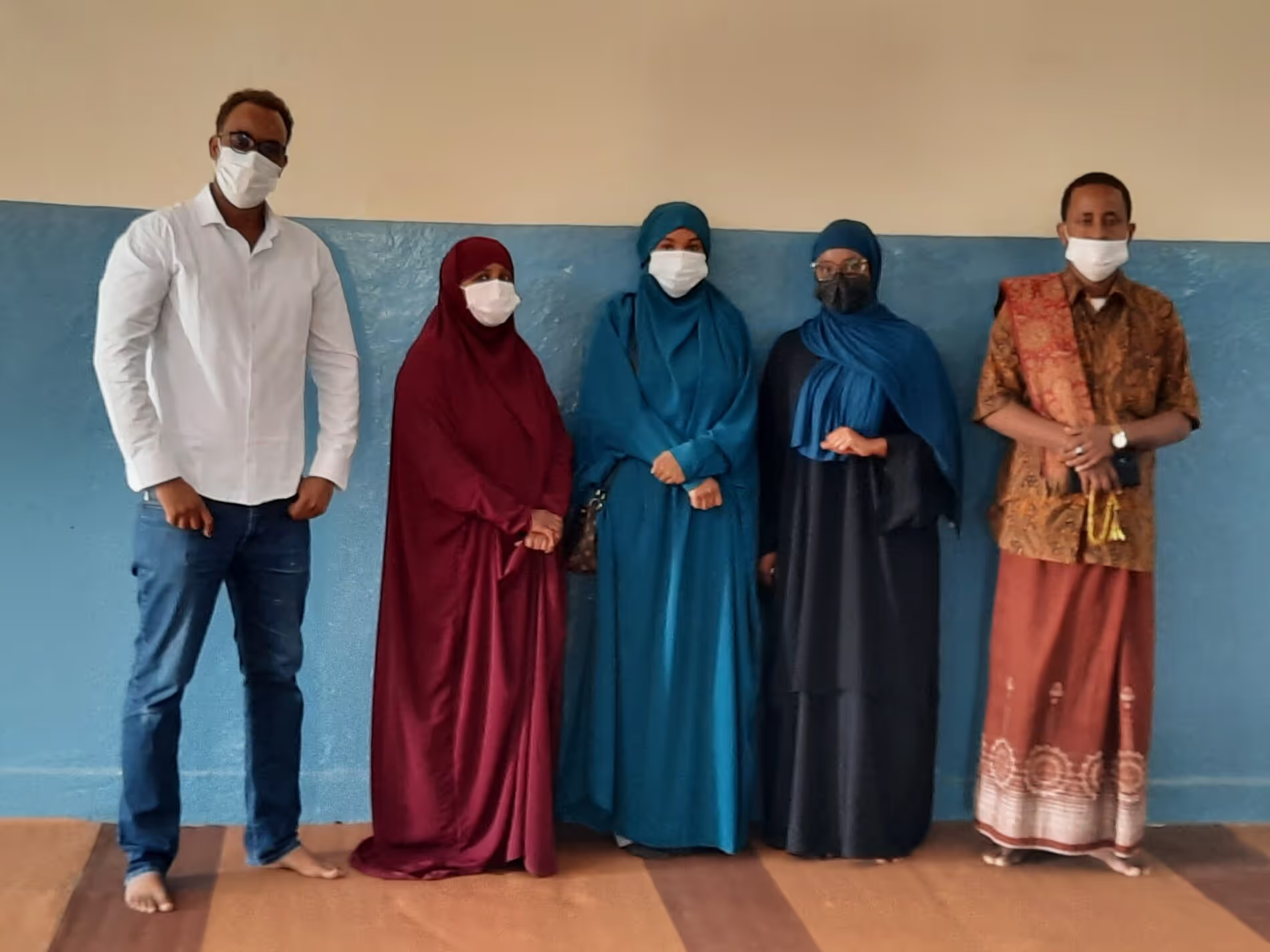
- A faith-based approach to trauma healing for Muslim communities: An RCT in Somaliland showed that Islamic Trauma Healing, a faith-based intervention, reduced post-traumatic stress, depression, somatic symptoms, and increased wellbeing in participants, pointing to a potentially valuable new approach to tackling conflict-related trauma.
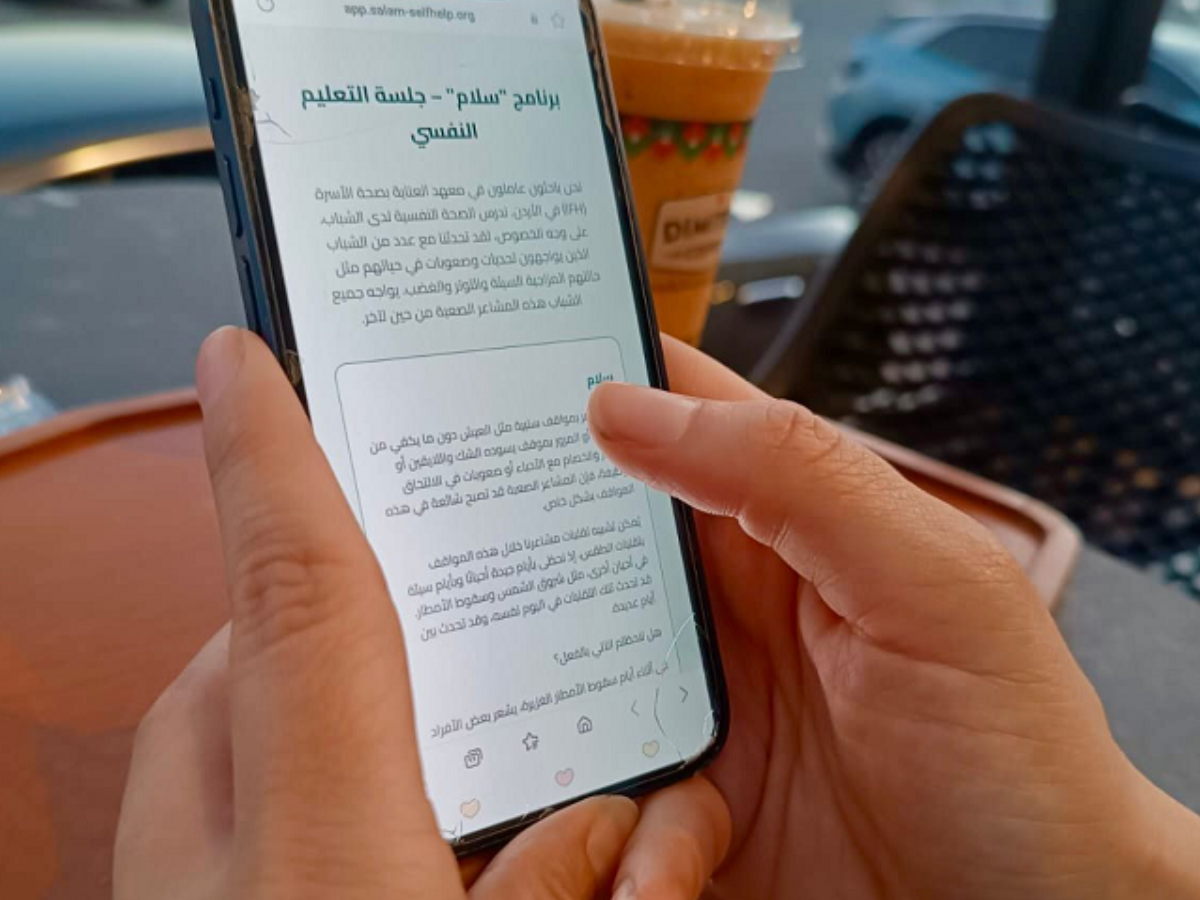
- Stepped care improves mental health for refugees: Conducted in Jordan, this RCT – the first of its kind in an LMIC setting – used a stepped care model combining WHO's low-intensity self-help programme with more intensive Problem Management Plus (PM+) for those who needed. The study found that it significantly reduced anxiety and depression compared to a single intervention, with benefits sustained at 12 months and at a cost-effective rate.
- A WHO mental health chatbot shows promise for young people in crisis settings: Another RCT in Jordan found that STARS, a non-AI self-help chatbot developed by WHO and paired with brief telephone support from trained non-specialist helpers, significantly reduced symptoms of anxiety and depression among young people aged 18–21, including Syrian refugees. Both this and the stepped care initiative provide potential models for scalable mental health care in low-income settings.
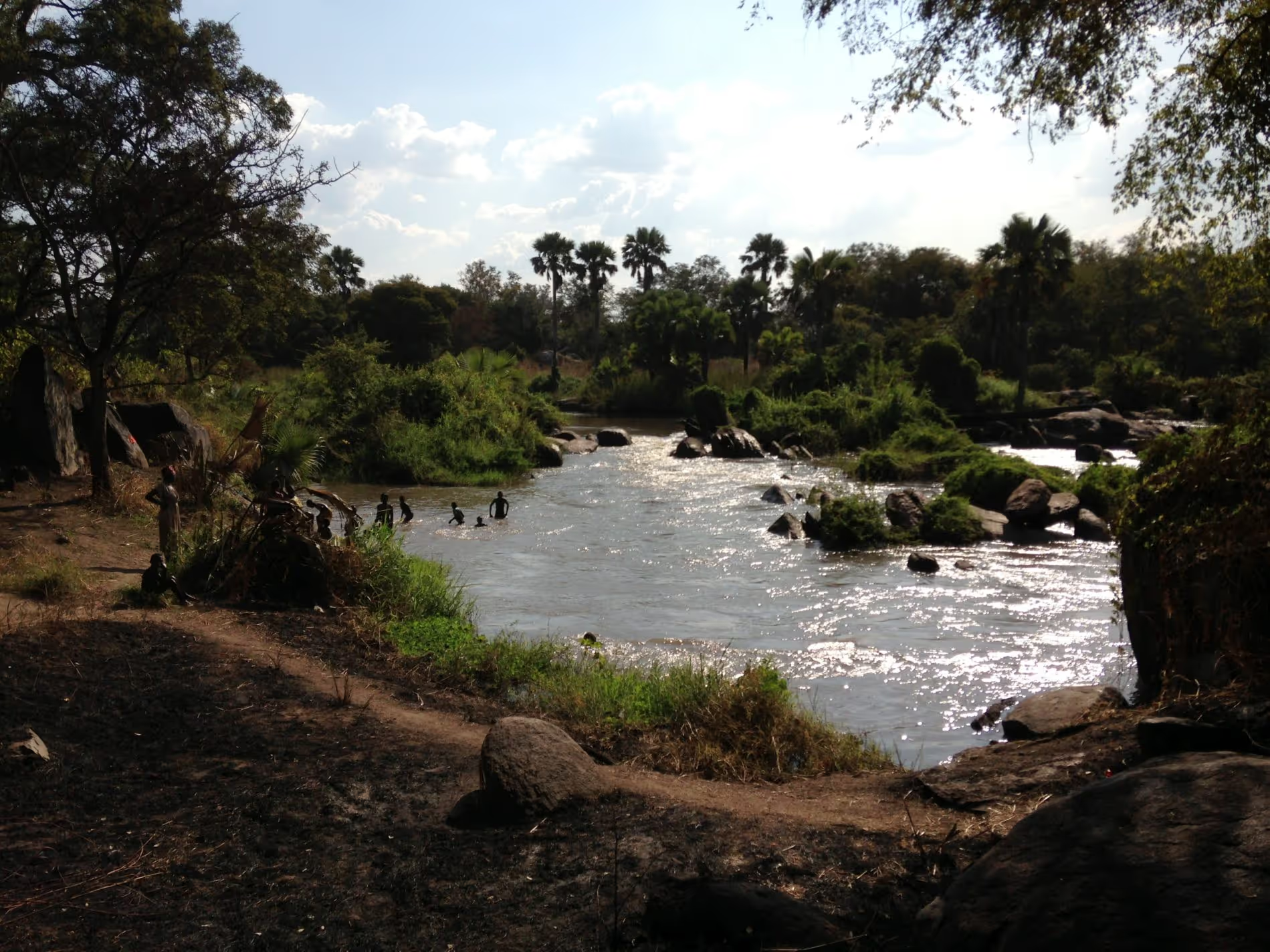
- Reducing epilepsy deaths in South Sudan: Building on previous research, this implementation science project in affected districts of South Sudan, found that boosting ivermectin treatments and raising community awareness has a significant impact on the lives of people living with onchocerciasis-associated epilepsy – a serious and sometimes fatal condition affecting children, linked with ‘nodding disease’.
All research teams are partnerships between humanitarian organisations and research experts, and all partnerships include researchers from the country in which the research takes place. To read more about each project and research team, read the linked snapshots.
Explore more insight from our humanitarian research studies in our snapshot library.
Stay updated
Sign up for our newsletter to receive regular updates on resources, news, and insights like this. Don’t miss out on important information that can help you stay informed and engaged.



.png)
Explore Elrha
Learn more about our mission, the organisations we support, and the resources we provide to drive research and innovation in humanitarian response.