


Wakobo ti kodro: improving at-risk pregnant women follow-up through a mobile app


Project overview
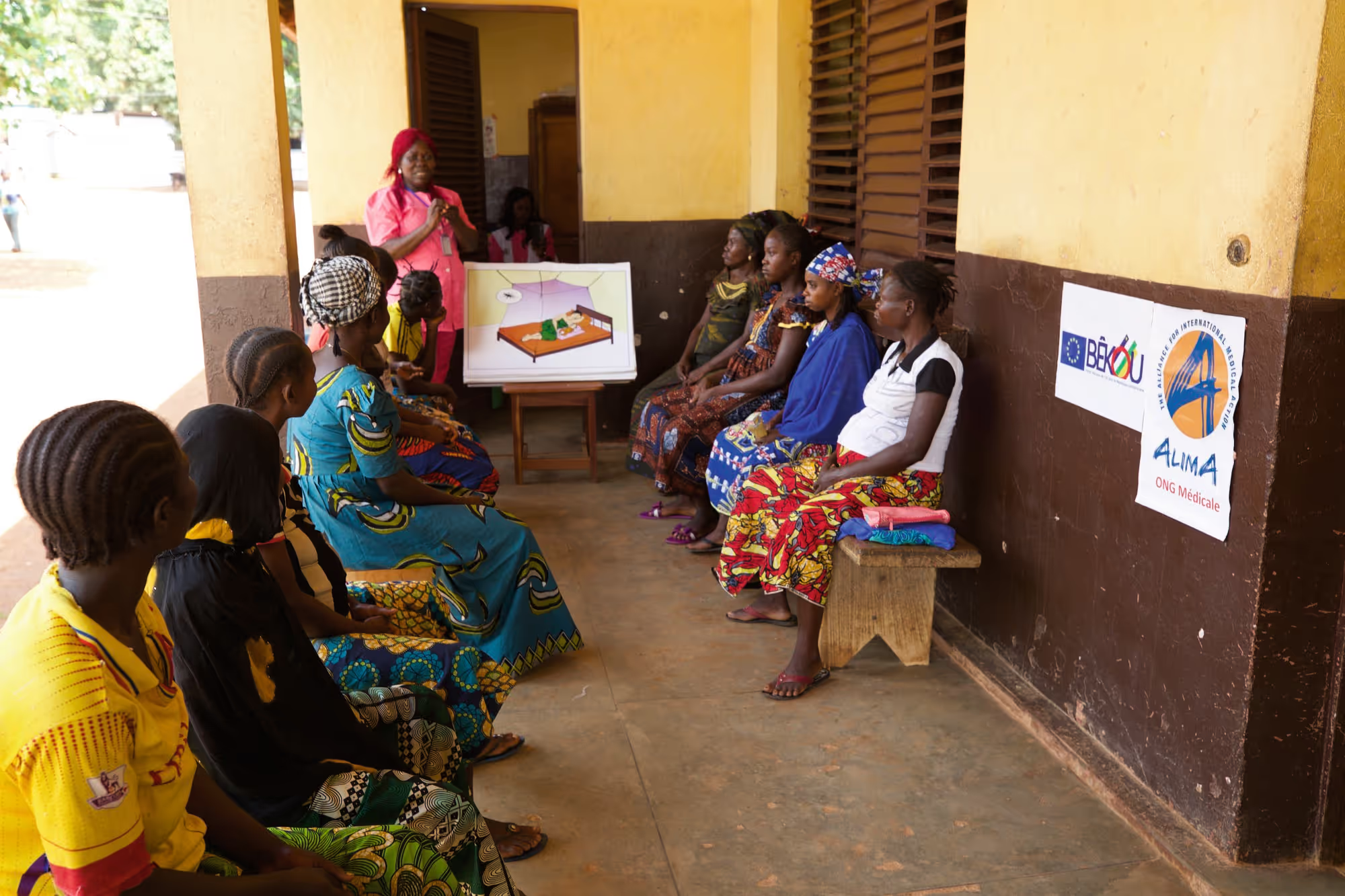
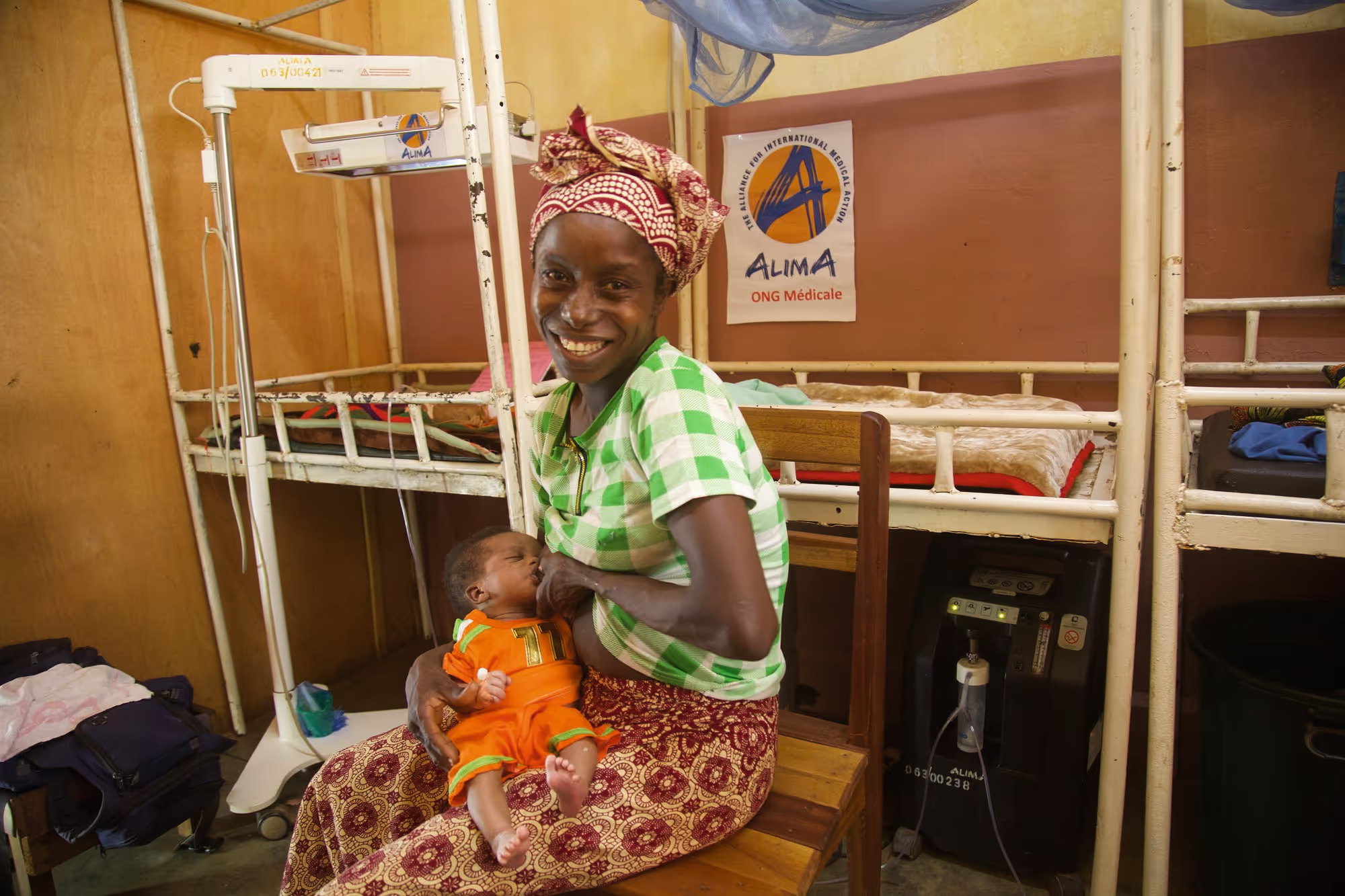
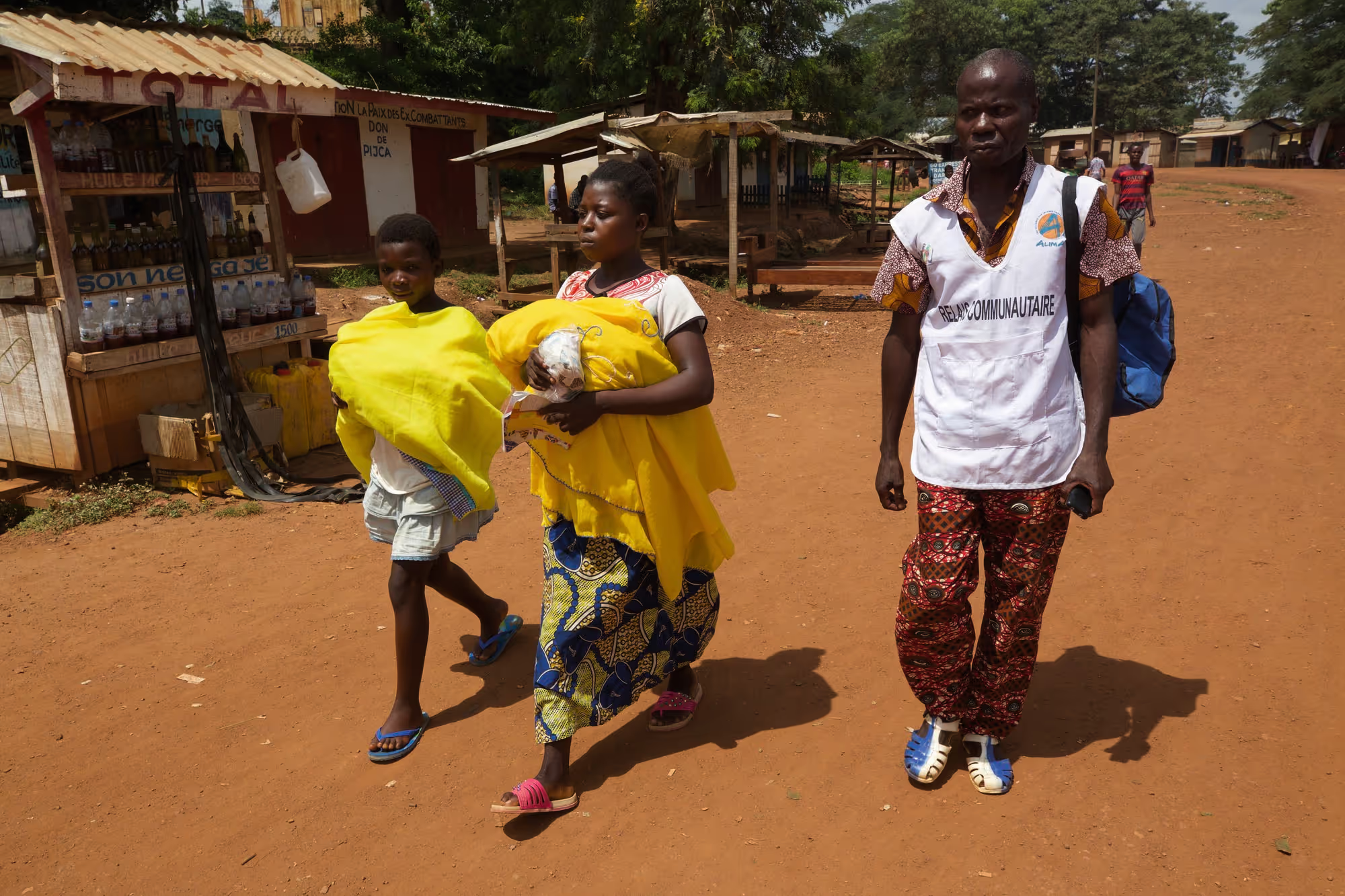
Wakobo Ti Kodro was a pilot study testing an intervention designed to strengthen the role of traditional birth attendants (TBAs) in identifying high-risk pregnancies and ensuring timely referral to health facilities, using a digital application.
Countries
Central african Republic
Organisations
Alliance for International Medical Action (ALIMA)
Partners
Inserm U1219 (Bordeaux), PACCI, Central African Republic Ministry of Health, Bangui University, Bordeaux university
Area of funding
Humanitarian Research
Grant amount
400,000
Start date
01
March
2023
End date
31
October
2025
Project length (in months)
23
Funding calls
Focus areas
No items found.
Topics
Sexual and Reproductive Health
Status
Closed
Project solution
This project offers [specific solution or intervention] to tackle [challenge]. By implementing [strategies, tools, or innovations], the project aims to achieve [desired outcomes]. The approach is designed to [specific actions or methods] to bring about meaningful change in [community, region, or issue area].
Expected outcomes
This project aims to achieve [specific outcomes], such as [measurable results, improvements, or changes]. The expected impact includes [benefits to the target community, advancements in research or innovation, or long-term effects]. By the end of the project, we anticipate [specific changes or milestones] that will contribute to [broader goals or objectives].

Prof. Richard Ngbale
Bangui University
Improving maternal and neonatal mortality indicators remains a challenge in CAR. Traditional birth attendants play an important role due to the lack of qualified staff. We will assess whether strengthening their capacity through an innovative approach and formal collaboration with health facilities may constitute a lever for improving the situation.
Principal Investigators: Dr Renaud Becquet and Prof. Richard Ngbale
Reaearch Snapshot: Improving prenatal support with traditional health attendants
Wakobo Ti Kodro was a pilot study testing an intervention designed to strengthen the role of traditional birth attendants (TBAs) in identifying high-risk pregnancies and ensuring timely referral to health facilities, using a digital application.
[.cta_link]Read the Snapshot[.cta_link]
What did the study set out to achieve?
The Central African Republic faces high maternal mortality, in part due to limited access to maternal health services and a shortage of skilled health personnel. TBAs play a significant role within communities, particularly as around 41% of deliveries occur at home. Evidence has accumulated on the benefits of collaborating with trained and supervised TBAs, as well as on the use of digital health for improving maternal health outcomes.
The study used a quasi‑experimental before/after design. First, maternal care attendance at seven health facilities was assessed ten months after implementation, covering deliveries and pre/postnatal care. Then, prenatal and postnatal follow‑up and maternal/neonatal outcomes were documented for a cohort of 1,869 pregnant women, followed by an implementation study evaluating acceptability and feasibility of the intervention among 86 TBAs, pregnant / postpartum women, husbands, and community/district health stakeholders.
What were the key findings?
The approach combined collaboration between healthcare workers with TBAs, trained in community-based maternal care. A digital application on tablet, created for low-literacy users, supports TBAs in recognising danger signs early and guiding women at elevated risk to deliver in health centres in the Central African Republic (CAR). Preliminary findings suggest the approach improves community-to-facility referral, prenatal consultation attendance, safe childbirth at health facilities, and increases TBA’s maternal health knowledge, which can support better maternal and neonatal outcomes.
Preliminary results indicate that the intervention:
- Increased the number of women attending four or more prenatal consultations and who gave birth at primary health facilities.
- Raised the proportion of women being referred by TBAs to health centres for deliveries and the proportion of women with obstetrical complication referred from health centres to-hospital by health care workers.
- Reduced the numbers of deliveries of women with high-risk pregnancies at primary health centres, especially those with medical complications requiring hospital referral.
- Improved TBAs’ maternal health knowledge, particularly regarding dangers signs and risk factors of high-risk pregnancies.
- Was well accepted and feasible, regarding the use of digital tablets by TBAs and the collaboration between TBAs and health workers by all stakeholders.
What does this mean for policymakers and practitioners?
This study shows that it is possible to involve TBAs in the health system by supporting their collaboration with health workers. The contribution of TBAs is most valuable when their role is clearly defined, as in this project, where TBAs were trained in risk-factor screening, danger signs and timely referral.
In a context like CAR, it is also significant that the use of a digital health decision tool by TBAs was feasible and acceptable. This could support and increase health services attendance, which can in turn improve health outcomes for both mother and baby. Support, and sustained funding, would be required from humanitarian actors to scale this approach and community-based maternal interventions more effectively in similar humanitarian settings.
No items found.
Project delivery & updates
Stay up to date with the latest developments from this project. Here, you will find details on what has been delivered, resources created, and regular updates as the project progresses. Access key documents, reports, and other materials to see how the project is making an impact.
No resources/updates have been published yet for this project. Sign up for our newsletter to stay informed about upcoming publications and updates!
Join our Newsletter
Resources
Research Snapshot: Improving prenatal support with traditional health attendants
Research snapshot
LEARN MORELatest updates
No items found.