


Research Snapshot: Preventing heart disease and stroke during conflict


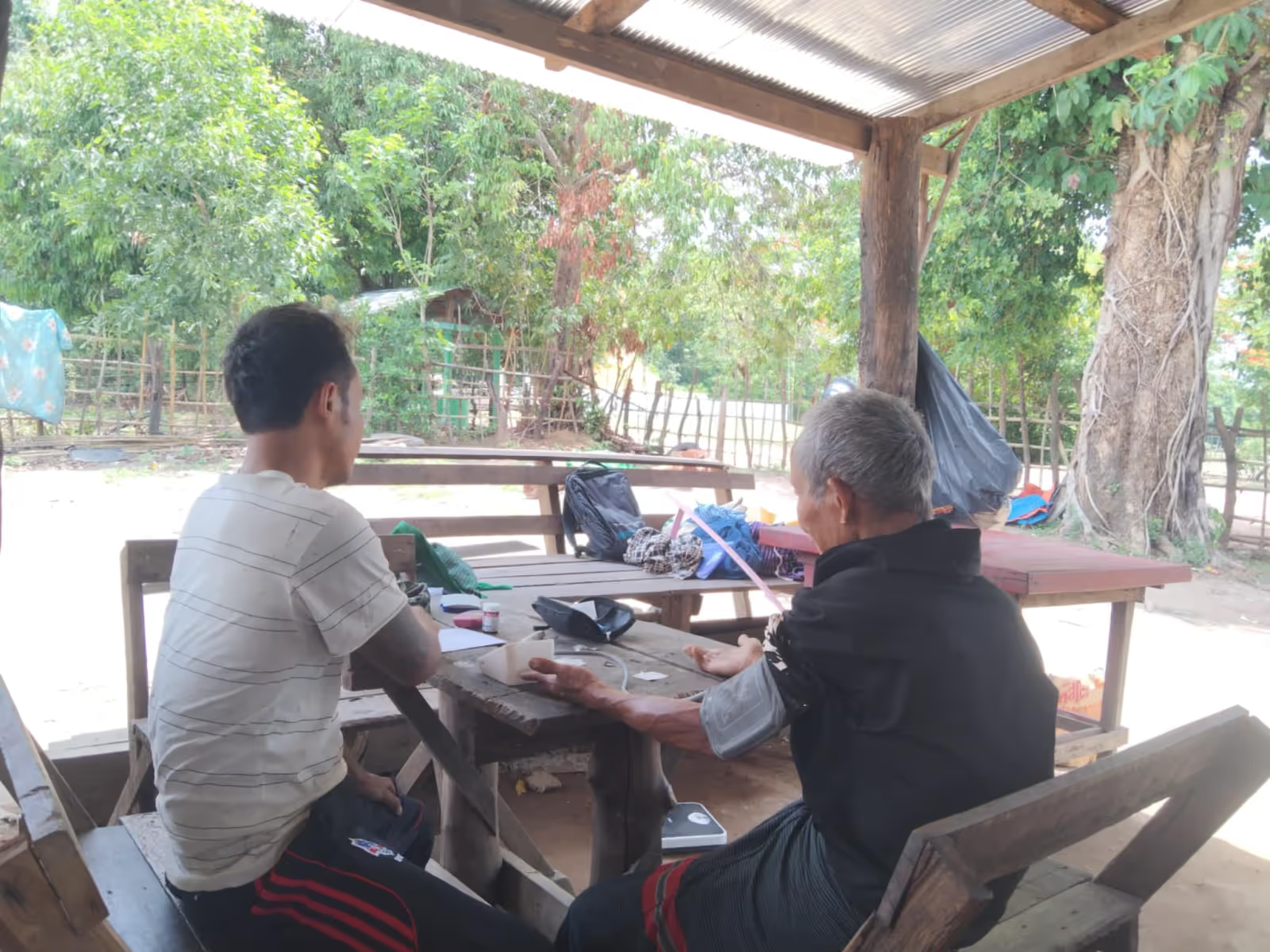

This research demonstrated the effectiveness, feasibility, adaptability, and resilience of a Village Health Worker (VHW) care model for cardiovascular disease risk reduction, in the active conflict setting of Myanmar.
Cardiovascular disease (CVD) such as stroke and heart attack is the leading cause of death in Myanmar and in many fragile and conflict-affected states. However, coverage of evidence-based treatments is low. Community health worker (CHW)-led care models have been shown to reduce CVD risk in politically stable settings, but studies are lacking that demonstrate the effectiveness and efficiency of CHW-led care models in humanitarian emergencies.
A decentralised VHW–led care model dramatically improved medication adherence and blood pressure control and reduced cardiovascular disease risk in conflict-affected Myanmar, at low cost. The care model (comprising screening, diagnosis visit, medication decisions assisted by tablet computers, and monthly follow-up) effectively and efficiently delivered chronic disease care, even during acute displacement from aerial attack. Findings suggest that humanitarian actors involved in health service delivery should consider integrating and scaling similar VHW-led care models to address the high burden of NCDs in other humanitarian settings.
This snapshot contains key messages, findings, implications for humanitarian policymakers and practitioners and recommendations for further research.