


Research Snapshot: Reducing epilepsy deaths in South Sudan


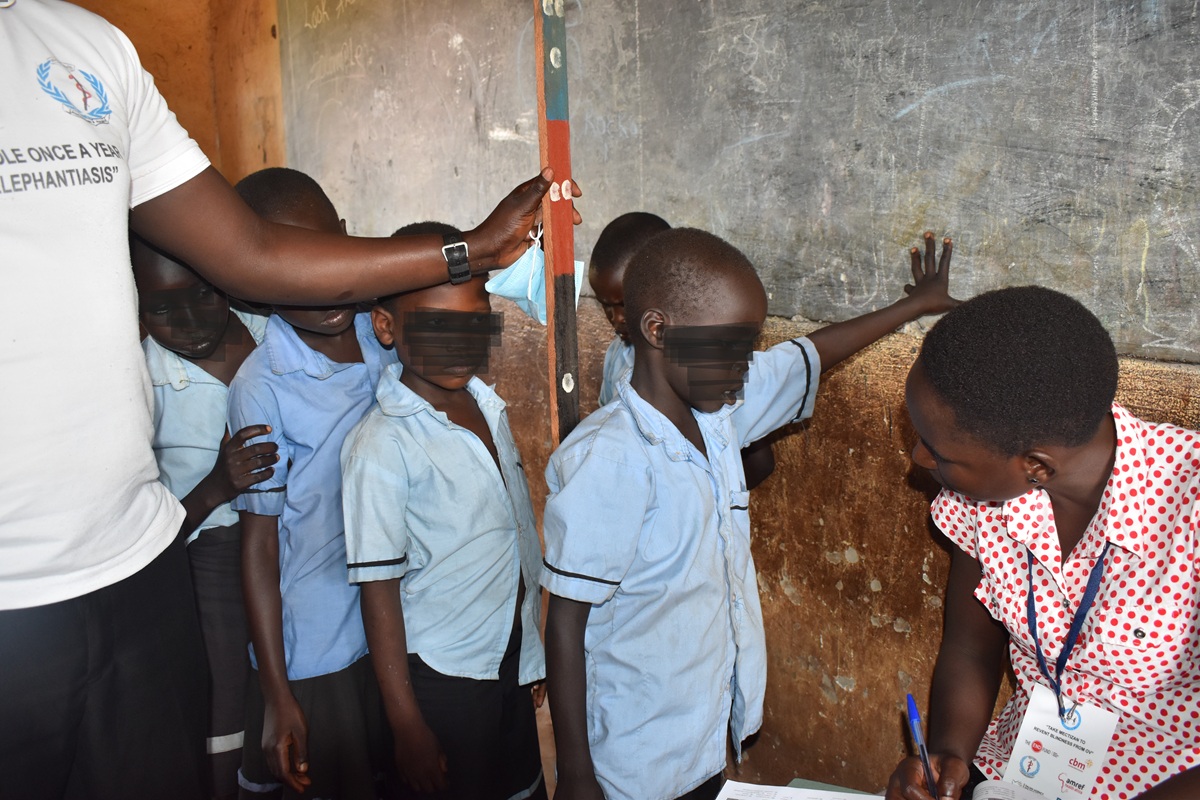

Onchocerciasis, known as ‘river blindness’, and linked with blackfly bites, is a debilitating eye and skin disease that causes discomfort and can lead to permanent blindness. In the absence of effective elimination programs, onchocerciasis is linked to high rates of epilepsy, including ‘Nodding Syndrome’/ onchocerciasis-associated epilepsy (OAE), leading to severe disabilities and increased mortality.
Building on a prior project to trial effective interventions, this implementation science study explored impacts of an intensified community awareness programme on onchocerciasis and epilepsy, which has increased community directed treatment with ivermectin (CDTi) coverage in Maridi, resulting in a reduction in incidence of OAE. A targeted program helped improve treatment coverage among post-partum women. Additionally, an epilepsy treatment programme offering regular follow-ups and free anti-seizure medication at epilepsy clinics has helped reduce epilepsy-related mortality and improve the quality of life for individuals with epilepsy.
This snapshot contains key messages, findings, implications for humanitarian policymakers and practitioners and recommendations for further research.