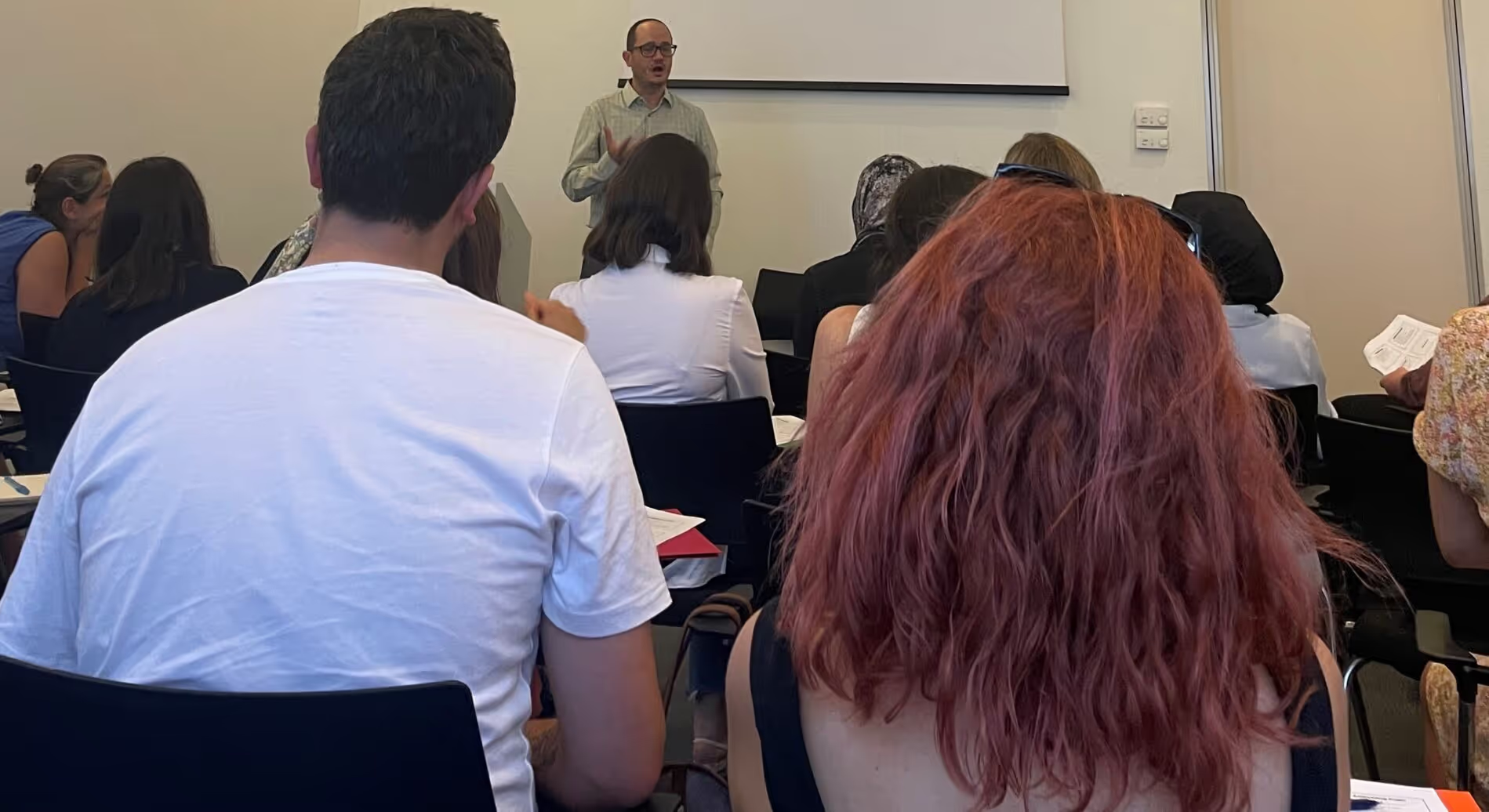


Islamic Trauma Healing: A Scalable, Community-based Programme for War and Refugee Trauma
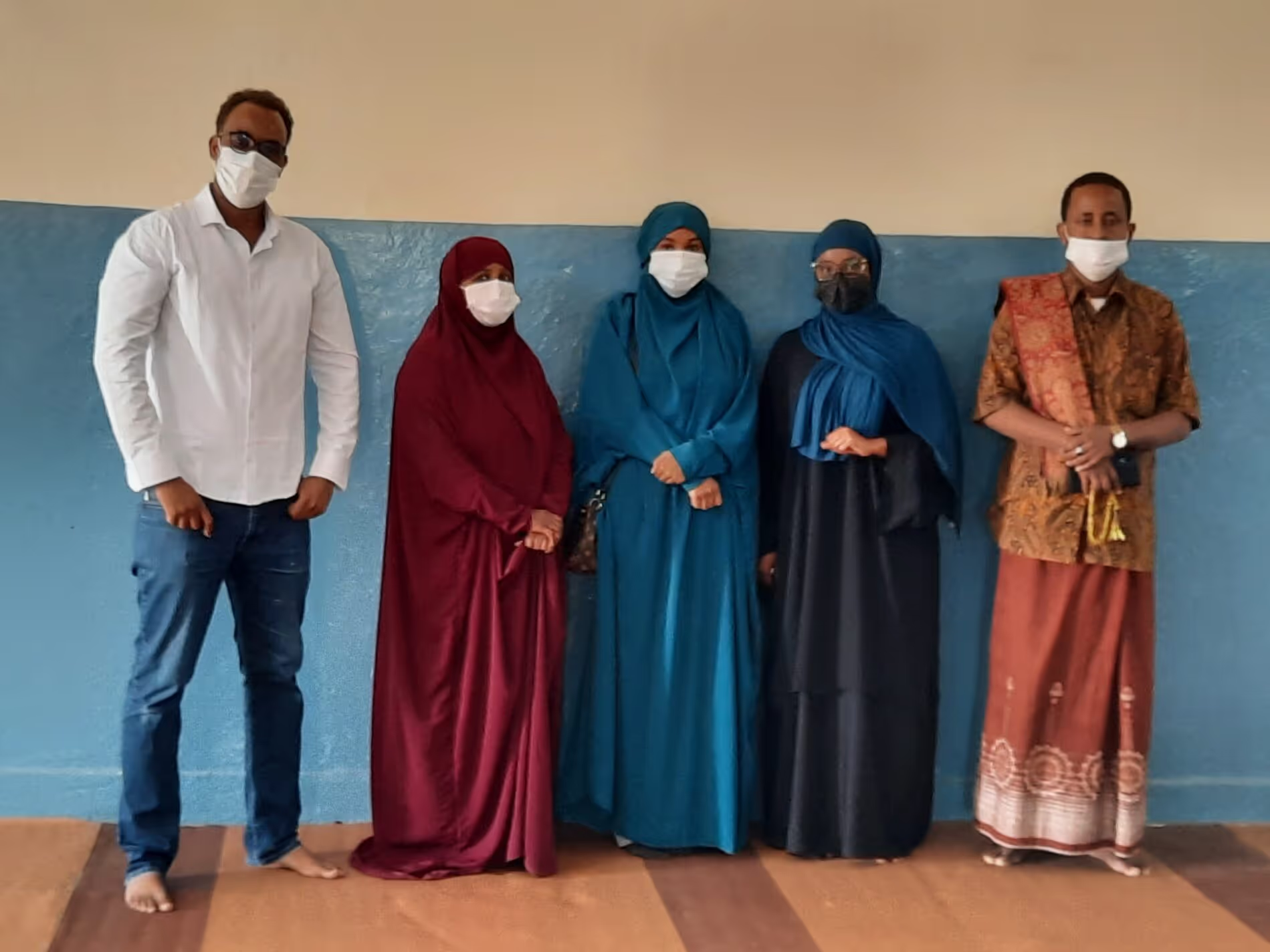

Project overview
This study demonstrated the effectiveness of a brief Islam-based mental health and psychosocial support (MHPSS) intervention for war and refugee trauma, and its ease of implementation by community leaders.
Countries
Somalia
Organisations
University of Washington
Partners
SOYDAVO, University of Burao, Case Western Reserve University, Seattle Pacific University
Area of funding
Humanitarian Research
Grant amount
£647,014
Start date
01
September
2021
End date
30
June
2025
Project length (in months)
Funding calls
Topics
Refugees and IDPS
Status
Closed
Project solution
This project offers [specific solution or intervention] to tackle [challenge]. By implementing [strategies, tools, or innovations], the project aims to achieve [desired outcomes]. The approach is designed to [specific actions or methods] to bring about meaningful change in [community, region, or issue area].
Expected outcomes
This project aims to achieve [specific outcomes], such as [measurable results, improvements, or changes]. The expected impact includes [benefits to the target community, advancements in research or innovation, or long-term effects]. By the end of the project, we anticipate [specific changes or milestones] that will contribute to [broader goals or objectives].
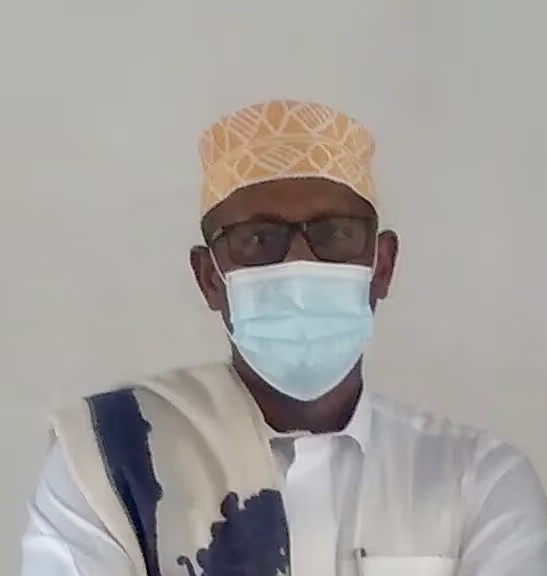
Sheikh Abdirahman Musa Tubeec
.
The nation experienced multiple traumas and mental injures after the collapse...The skills we learn from this programme will help us to assist the community and lead us to heal the mind of our people.
Principal Investigators: Lori Zoellner, University of Washington and Norah Feeny, Case Western Reserve University
Research Snapshot: A faith-based approach to trauma healing for Muslim communities
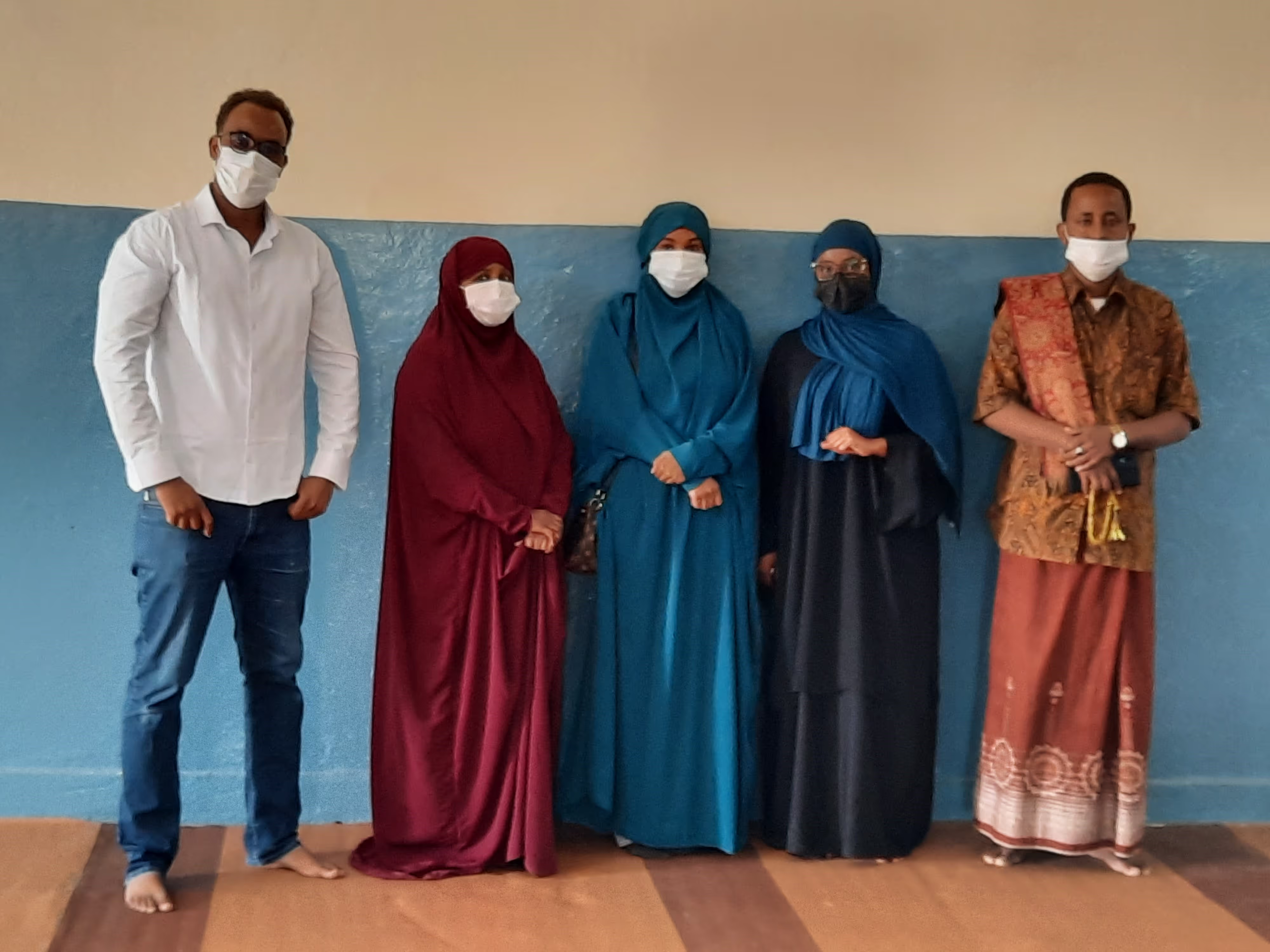
The study was a randomised controlled trial, conducted in nine mosques in three cities in Somaliland. It demonstrated the effectiveness of a brief Islam-based mental health and psychosocial support (MHPSS) intervention for war and refugee trauma, and its ease of implementation by community leaders.
[.cta_link]Read the Snapshot[.cta_link]
What did the study set out to achieve?
Somaliland, like many conflict-affected countries, is in dire need of mental health services, with communities affected by multiple humanitarian crises and traumatic events while facing barriers to accessing effective mental health care. Conventional trauma-focused treatments are Western-based and require extensive training. Enhancing the capacity of existing community infrastructures could provide accessible, effective, and culturally appropriate treatment.
Islamic Trauma Healing (ITH) is a community-led program to target the psychological impact of trauma while promoting community reconciliation. It is a 6-session, manualised, mosque-based group program combining Islamic principles, prayer, and core concepts, with evidence-based psychotherapy practices. This study showed its effectiveness at reducing trauma in Somaliland, and potential for further research and investment in scale-up.
This mosque-based programme addresses the effects of trauma in the community and promotes community building. The programme incorporates Islamic principles with techniques from evidence-based, trauma-focused interventions to address the impact of trauma in one’s life and community.
What were the key findings?
- ITH reduced posttraumatic stress, depression, somatic symptoms, and increased wellbeing compared to the WL control condition, maintained over three-month follow-up. The intervention also improved negative traumarelated beliefs, social connection, and forgiveness.
- At follow-up, no significant differences remained between the original ITH group and WL participants who later received ITH (with similar results), meaning intervention benefits were maintained.
- Participants were highly satisfied with ITH in addressing trauma-related symptoms, religious matching, and facilitating reconciliation.
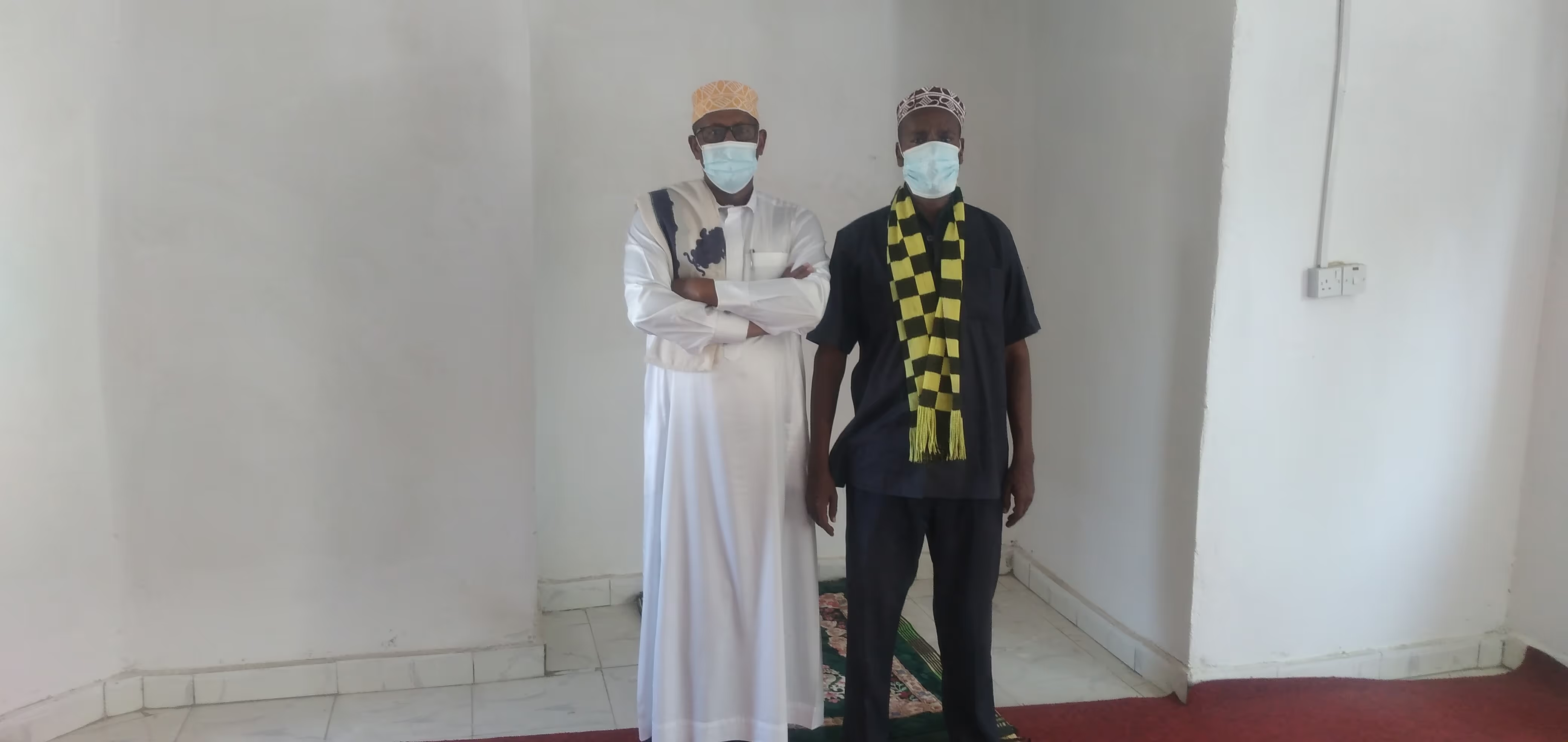
- Lay leaders trained by experts implemented the program with a high degree of fidelity to the intervention and trained 24 new trainers; both fidelity and effectiveness was maintained as these 24 trained and supervised new lay leaders.
- The ITH group sought more healthcare and saw reduced severity in disability. ITH led to modest increased personal costs for both leaders and participants (mostly transport and minor expenses), linked with attending the mosque more often.
What does this mean for policymakers and practitioners?
In many Muslim communities, barriers like stigma, lack of trained providers, and compatibility between one’s faith and psychotherapy interventions highlight the need for a program like ITH. ITH is a step towards utilising and enhancing the capacity of faithbased communities to heal, while addressing access to effective trauma interventions in the face of humanitarian crises. Using ITH, Muslim communities can access and sustain a culturally sensitive intervention that reduces trauma-related symptoms and increases community reconciliation.
Humanitarian stakeholders and policymakers, including country ministries and international and local non-profits, can expand this work to other Muslim communities via harnessing the faith, strength, and connection within communities themselves to promote mental health and resilience.
No items found.
Project delivery & updates
Stay up to date with the latest developments from this project. Here, you will find details on what has been delivered, resources created, and regular updates as the project progresses. Access key documents, reports, and other materials to see how the project is making an impact.
No resources/updates have been published yet for this project. Sign up for our newsletter to stay informed about upcoming publications and updates!
Join our Newsletter
Resources
Islamic trauma healing (ITH): A scalable, community-based program for trauma: Cluster randomized control trial design and method
Journal article
LEARN MOREResearch Snapshot: A faith-based approach to trauma healing for Muslim communities
Research snapshot
LEARN MORE