


Effectiveness of a self-help chatbot for conflict-affected youth

Project overview
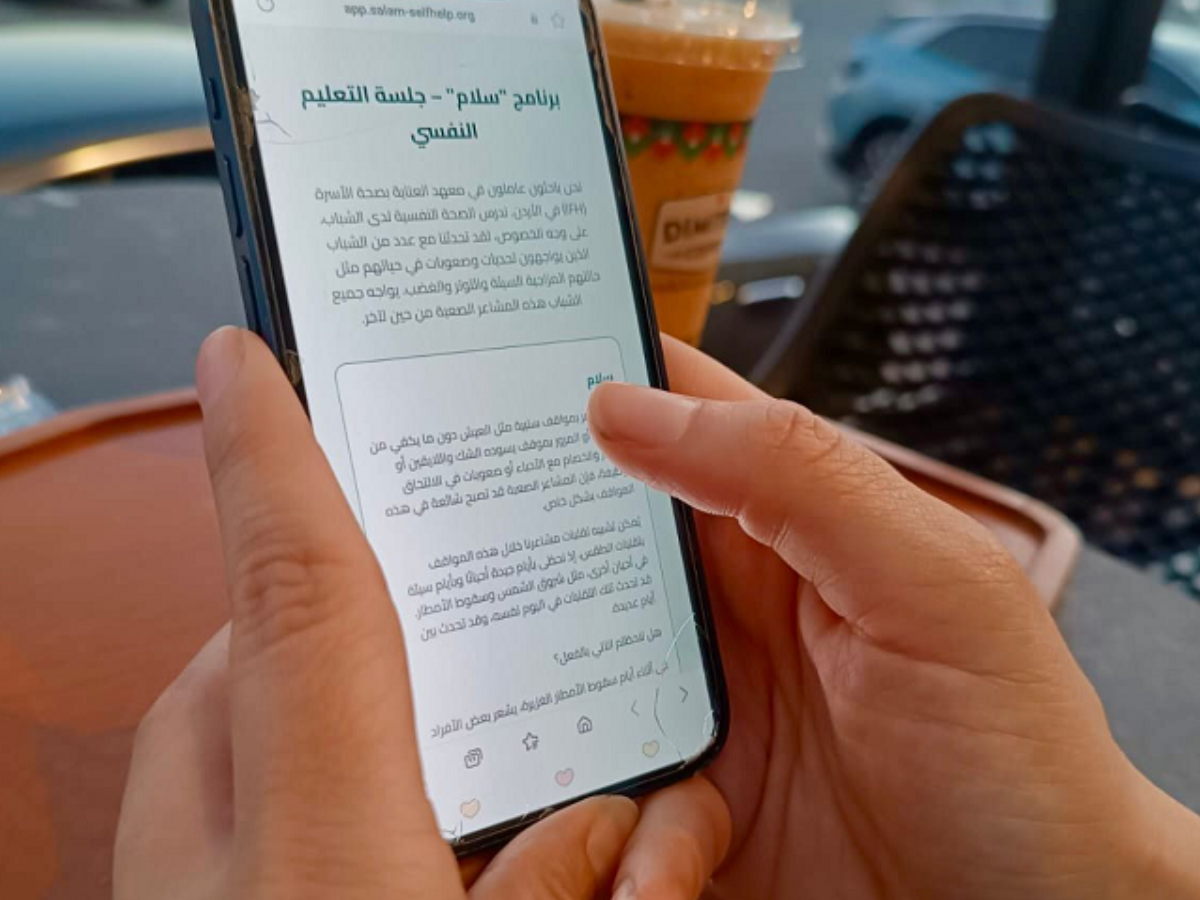
The first trial of Scalable Technology for Adolescents and Youth to Reduce Stress (STARS), a non-AI mental health chatbot paired with brief telephone support from a trained helper developed by the World Health Organisation (WHO), provides compelling early evidence that the intervention benefits young people in low-resource and crisis settings experiencing anxiety and depression.
Project solution
This project offers [specific solution or intervention] to tackle [challenge]. By implementing [strategies, tools, or innovations], the project aims to achieve [desired outcomes]. The approach is designed to [specific actions or methods] to bring about meaningful change in [community, region, or issue area].
Expected outcomes
This project aims to achieve [specific outcomes], such as [measurable results, improvements, or changes]. The expected impact includes [benefits to the target community, advancements in research or innovation, or long-term effects]. By the end of the project, we anticipate [specific changes or milestones] that will contribute to [broader goals or objectives].

Mark van Ommeren
World Health Organization
Self-help delivered online can be highly effective when provided with guidance from a non-specialist helper. This research will test a new intervention that uses a chatbot to deliver self-help materials. Chatbots may be a more engaging and potentially more scalable way to deliver online interventions in humanitarian contexts.
Principal Investigator: Mark van Ommeren, World Health Organization
Research Snapshot: A mental health chatbot for youth
The first trial of Scalable Technology for Adolescents and Youth to Reduce Stress (STARS), a non-AI mental health chatbot paired with brief telephone support from a trained helper developed by the World Health Organisation (WHO), provides compelling early evidence that the intervention benefits young people in low-resource and crisis settings experiencing anxiety and depression.
[.cta_link]Read the snapshot[.cta_link]
What did the study set out to achieve?
Youth in low- and middle-income countries experience high rates of mental health conditions yet lack access to adequate care; scalable, low-cost interventions are needed. STARS is a self-help chatbot, based on decision-tree logic. Unlike many chatbots it does not use AI. It helps youth learn self-help techniques including behavioural activation, problem solving and stress management. Support is provided through five weekly 15-minute phone calls by trained and supervised, non-specialist helpers to encourage uptake and use.
After development and cultural adaptation of STARS in collaboration with youth, a small feasibility trial was conducted, then a full RCT involving 344 young people aged 18-21 years (including Syrian refugees). The trial compared STARS with a control group receiving basic information about stress. Impacts on mental health outcomes were measured after 3 months. Interviews with key stakeholders were conducted to inform further development and implementation.
What were the key findings?
Chatbots can increase availability of mental health provision in low-resource and humanitarian settings, especially for common mental health conditions. The mixed methods feasibility and randomised controlled trials (RCTs) showed that STARS is a highly engaging intervention that successfully reduces symptoms of anxiety and depression and improves overall wellbeing after 3 months. Findings suggest STARS can be successfully implemented in low-resource and humanitarian settings, especially those with limited mental health provision, with a potential to explore integration of STARs into ‘stepped care’ packages. STARS is currently being evaluated among youth in Lithuania and will be released by WHO if both trials show positive results.
- STARS was shown to be adaptable for youth living in Jordan and could be feasibly implemented in this setting.
- Youth enrolled in the STARS chatbot had significantly fewer symptoms of anxiety, depression, general distress, personally identified problems and functional impairment 3 months after finishing the intervention. They also reported better wellbeing and a greater sense of agency.
- Importantly, similar results were observed even for those with more severe symptom levels.
- The STARS intervention was engaging: chatbot use was high, with youth completing on average 7 out of 10 chatbot lessons and responding to an average of 4 out of 5 helper support calls.
- Qualitative interviews suggested that STARS could be feasibly delivered and was safe for young people, with no evidence of any adverse effects during the trial.
What does this mean for policymakers and practitioners?
This trial indicates that STARS, a self-help chatbot with weekly support calls, is a promising intervention for youth experiencing psychological distress, including in low-resource and humanitarian settings. This non-AI, decision-tree chatbot appears safe, with no reported adverse events, and- when supported by trained non-specialist helpers- was feasible and effective in reducing distress among youth in Jordan, including Syrian refugees, suggesting potential for wider use.
As with all psychological interventions, cultural adaptation and safeguards (e.g. referral for those at imminent risk of suicide or facing protection concerns) are essential when delivering STARS in diverse crisis-affected populations. It could form part of a stepped-care approach within broader mental health services, offering more intensive support to those who do not benefit, although results suggest it may also help those with more severe distress.
These findings warrant further research to inform implementation and scale-up, particularly where access to mental health support is limited. WHO is conducting a trial in Lithuania; if findings remain positive, the intervention may be released. Policymakers and practitioners could consider integrating STARS with trained human support in humanitarian health systems.
Project delivery & updates
Stay up to date with the latest developments from this project. Here, you will find details on what has been delivered, resources created, and regular updates as the project progresses. Access key documents, reports, and other materials to see how the project is making an impact.
Resources
Journal article
LEARN MOREJournal article
LEARN MOREJournal article
LEARN MOREJournal article
LEARN MORE