


Research Snapshot: Cash plus nutrition education shows promise for combating wasting


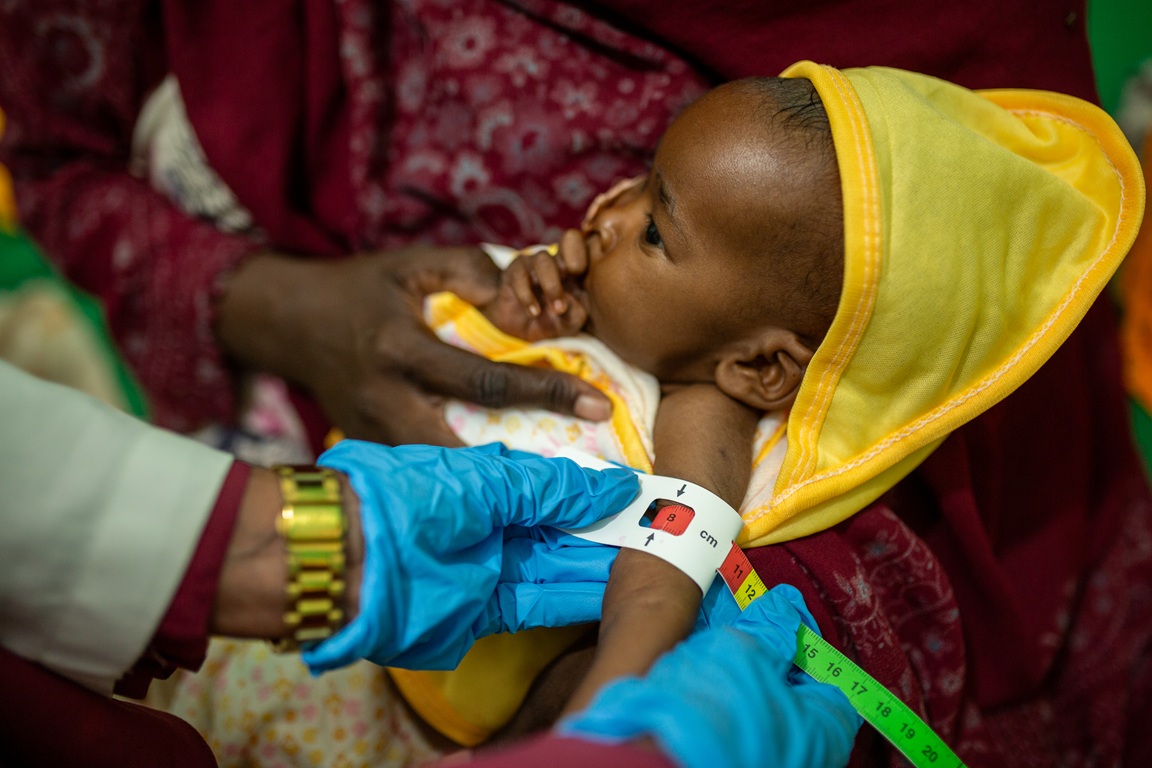

Wasting affects millions of children under 5 years (CU5) and pregnant and lactating women (PLW) annually, yet research into the most effective, preventative interventions is nascent. Existing evidence indicates that cash assistance can be effective in addressing malnutrition when combined with nutrition education - known as “Cash Plus” or “Cash +”. However, there is limited research in humanitarian contexts which compares the effectiveness and cost-effectiveness of Cash by itself with Cash Plus.
A randomised control trial alongside cost-efficiency analysis was conducted in Bay and Hiran regions of Somalia, comparing three arms over six months:
- Cash Only (517 households): cash transfers,
- Cash + a Social and Behavioural Change (SBCC) intervention (501 HHs): Cash assistance with nutrition education activities
- Cash + Top-up (472 HHs): increasing the amount of cash to each household
This study in Somalia showed that addition of a Social and Behavioural Change (SBCC) intervention (nutrition education programming), to cash transfers (‘Cash Plus’) significantly outperformed both cash alone and increased cash, offering both improved and sustained nutritional outcomes and high value-for-money.
This snapshot contains key messages, findings, implications for humanitarian policymakers and practitioners and recommendations for further research.