


Research Snapshot: Closing the knowledge gap in paediatric surgery in Somaliland


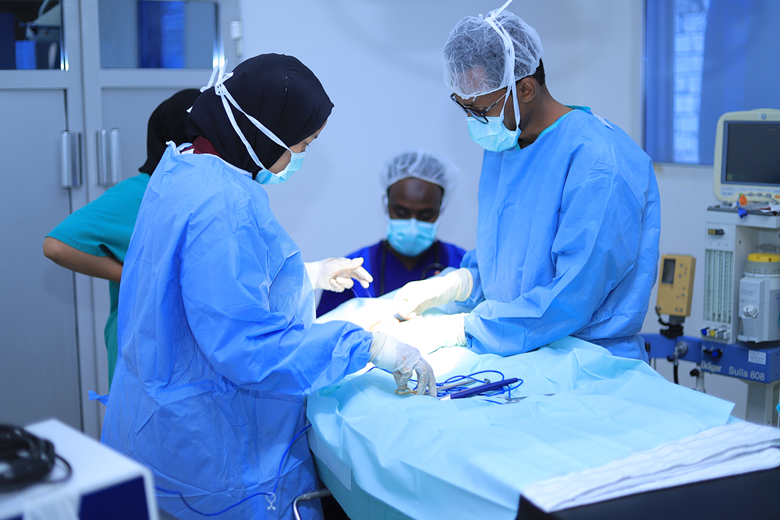

This implementation science project explored the impact of the Somaliland Paediatric Access and Clinical Excellence in Surgery - ‘Expanding Community Healthcare Outcomes’ (SPACES ECHO) programme in Somaliland.
Children in Somaliland face high rates of preventable illness and mortality due to limited access to safe paediatric surgical care. Given the shortage of specialists, children are often treated by general surgeons, general physicians and non-physician clinicians. Capacity of surgical providers is low, with limited opportunities for training of specialists. Enhancing specialist knowledge within the existing health workforce is a priority, and telemedicine can provide tailored learning opportunities.
A mixed-methods evaluation was conducted, to assess the value of the ECHO programme and the community outreach for healthcare professionals and children under 16 years old. This included tracking engagement with the training programme, surveys to assess knowledge gains and satisfaction, and focus groups to explore participation drivers and barriers. Clinical outcomes for children treated across seven hospitals were also collected.
This study evaluated a tele-mentoring programme to strengthen paediatric surgical capacity in Somaliland, where continuing professional development is limited. Using the ECHO Model across five regions, the programme supported practitioner engagement, knowledge gains, collaboration, and clinical practice, while community engagement increased trust and service uptake. Strengthening digital infrastructure, local leadership, and further research to explore links between tele-mentoring and clinical outcomes could enhance sustainability and impact.
This snapshot contains key messages, findings, implications for humanitarian policymakers and practitioners and recommendations for further research. Find out more about the study here.