

Non-communicable diseases
Non-communicable diseases (NCDs) pose a significant threat to the health and well-being of populations affected by humanitarian crises. NCDs cause 74% of global mortality, and this is even higher in countries experiencing crisis.

Why this focus area?
Non-communicable diseases (NCDs) are the leading cause of morbidity and mortality worldwide, with a particularly high burden in humanitarian settings. Despite this, NCDs have received limited attention in humanitarian response efforts.
From cardiovascular diseases to diabetes, these conditions exacerbate existing vulnerabilities and increase the strain on already overburdened healthcare systems. The ability to respond to chronic disease in both acute and long-term crisis settings is not well established, with access to care often inadequate and frequently disrupted. NCDs are often deprioritised due to limited resources and competing priorities.
Our work
Humanitarian Health Evidence Review (HHER)
The first Humanitarian Health Evidence Review (HHER), commissioned by Elrha and conducted in 2013, identified a scarcity of evidence related to the effectiveness of NCD interventions in humanitarian settings. The 2021 update to the HHER confirmed that while humanitarian NCD research outputs had grown, the evidence-base on interventions in this area remains extremely limited.
Since 2014, Elrha has contributed to strengthening the evidence base by funding numerous studies using rigorous research methods to address the high burden of NCDs in humanitarian settings.
Scaling innovations for NCD care in humanitarian settings
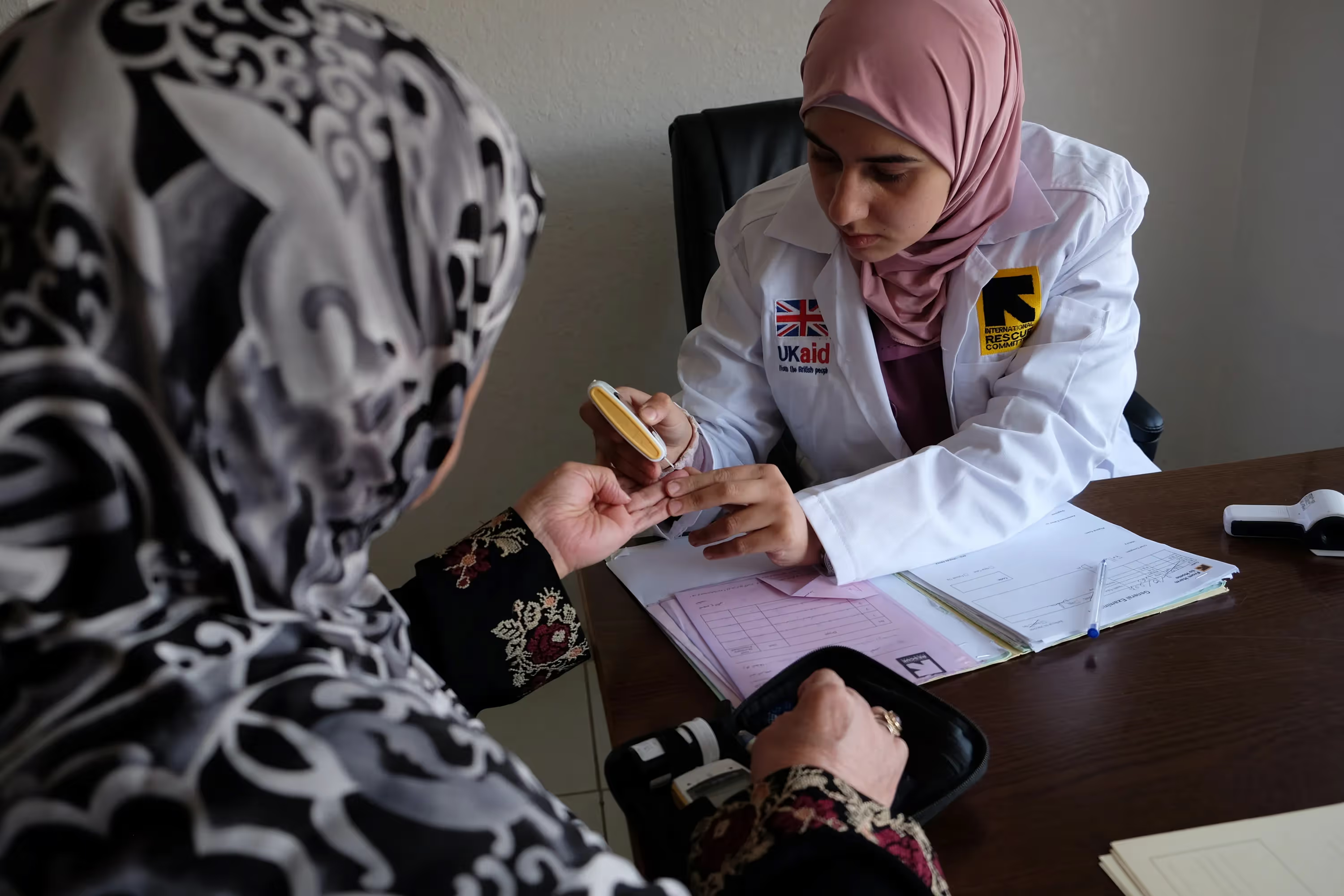
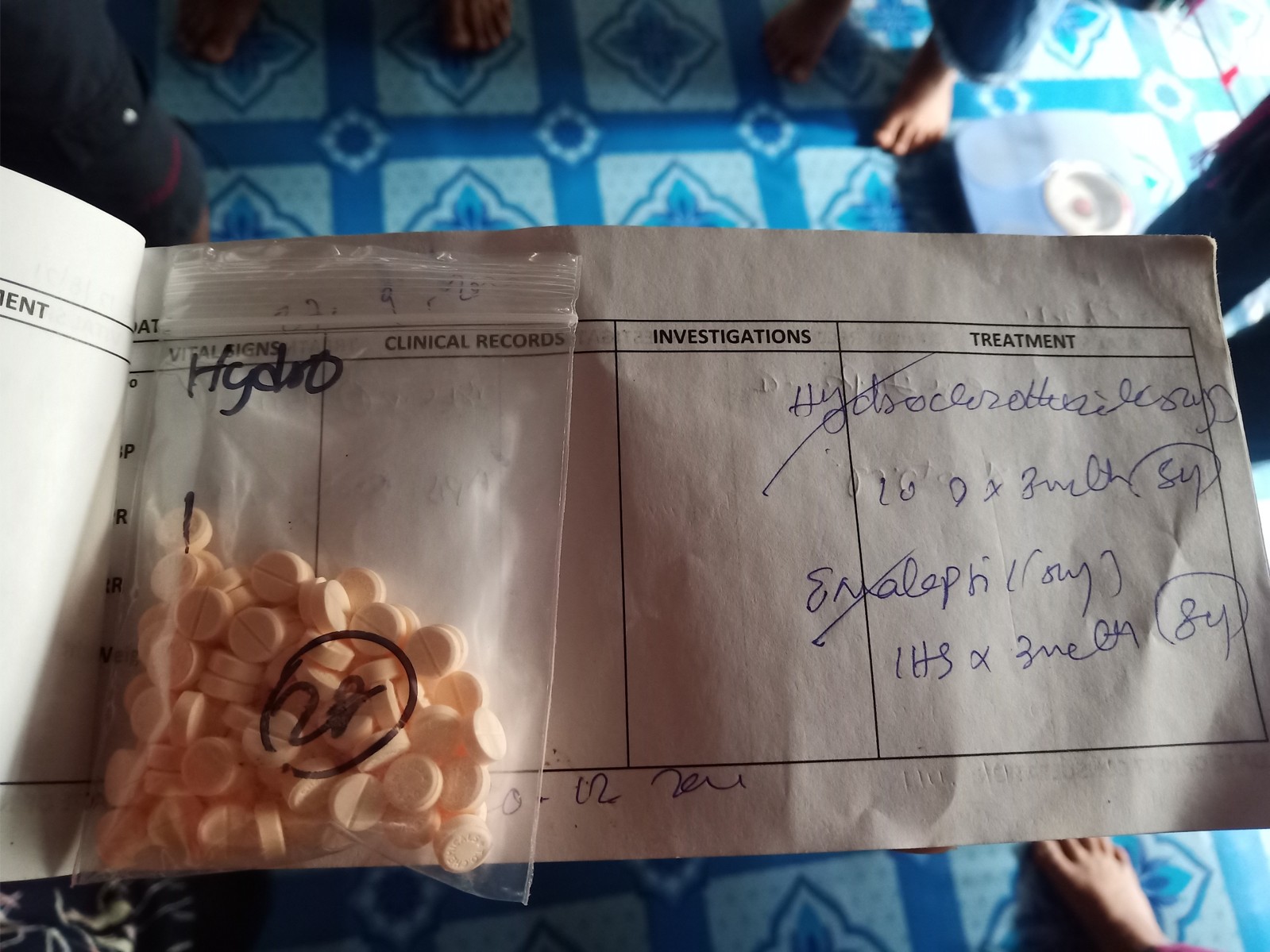
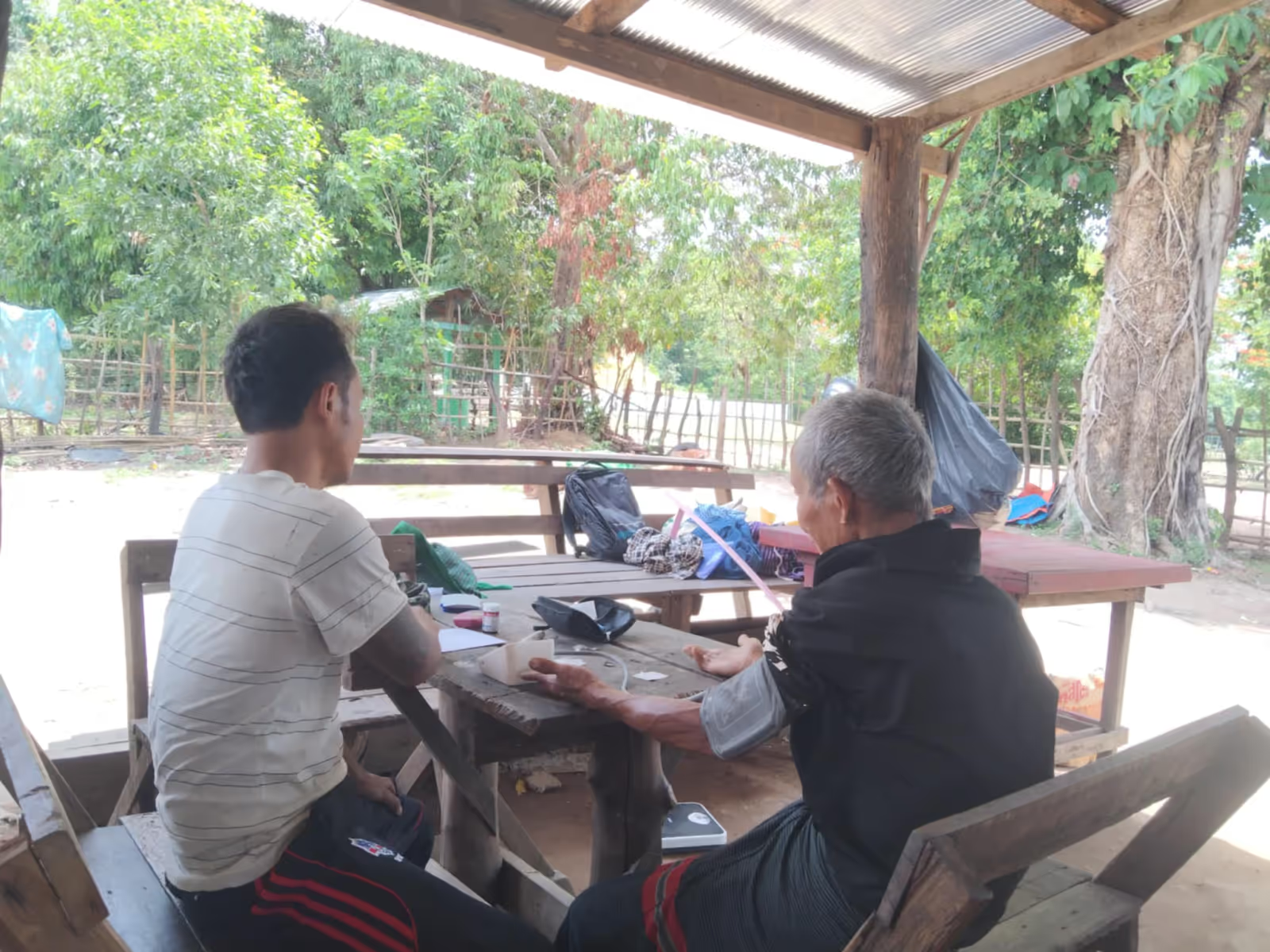
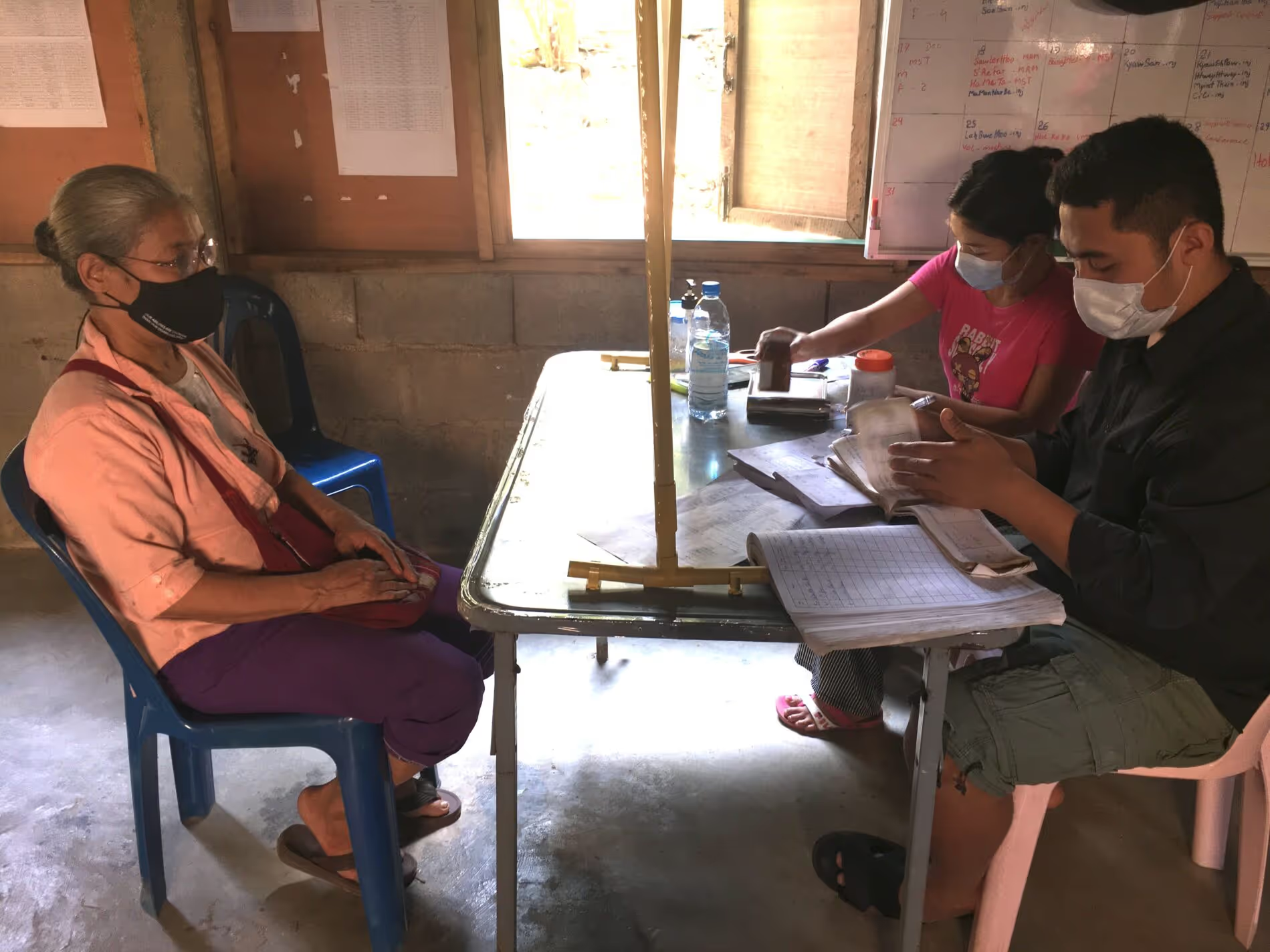
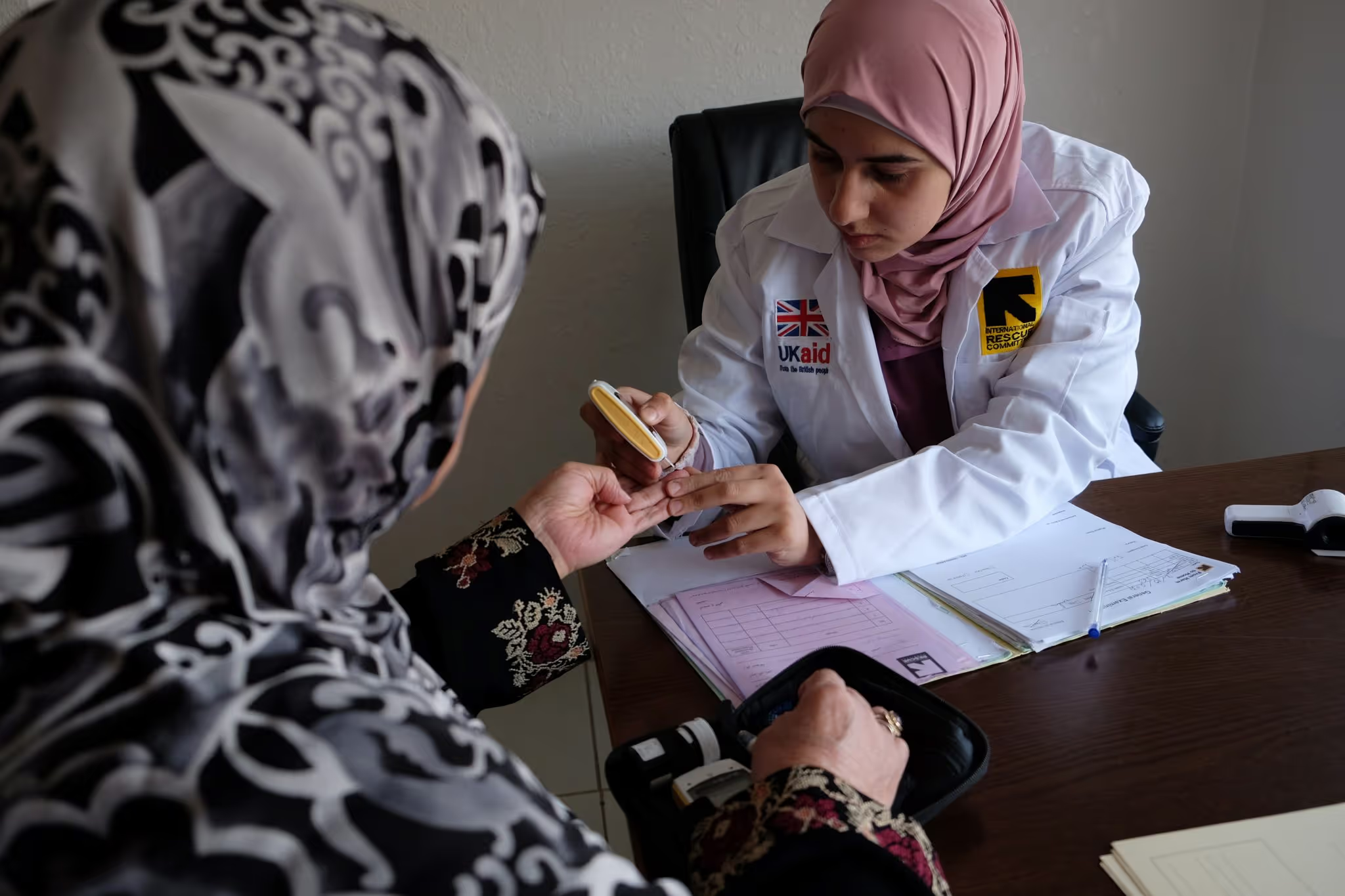
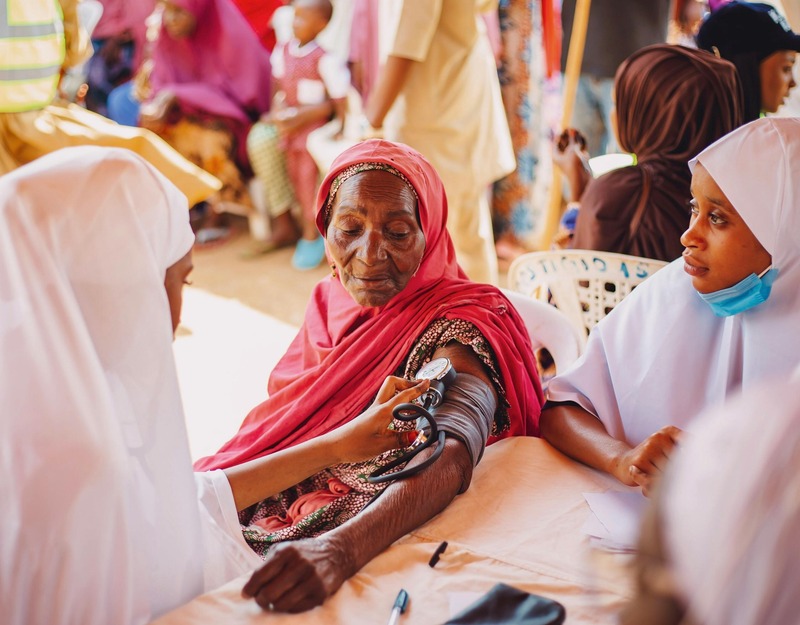
People living with non-communicable diseases (NCDs), particularly cardiometabolic diseases (CMDs) such as diabetes, hypertension and cardiovascular conditions, face serious risks when humanitarian crises disrupt access to essential medicines and ongoing care. Yet there is limited evidence on how to sustain CMD care in these challenging settings.
Through research, innovation and policy engagement, We are working to strengthen the evidence for locally led innovations that help maintain CMD prevention and continuity of care during crises. Building on research into promising innovations in sub-Saharan Africa - many community-based - our work explores what it takes to scale effective solutions and make cardiometabolic care a core humanitarian health priority.
Our approach
Our work addresses three critical problems for NCDs in humanitarian settings:
1.
The lack of a consensus based NCD research agenda that reflects the priorities of humanitarian practitioners, policy-makers and researchers.
2.
The paucity of evidence-based interventions to address the needs of people living with NCDs in humanitarian settings.
3.
The lack of evidence on the effectiveness of NCD interventions.
Setting the research agenda
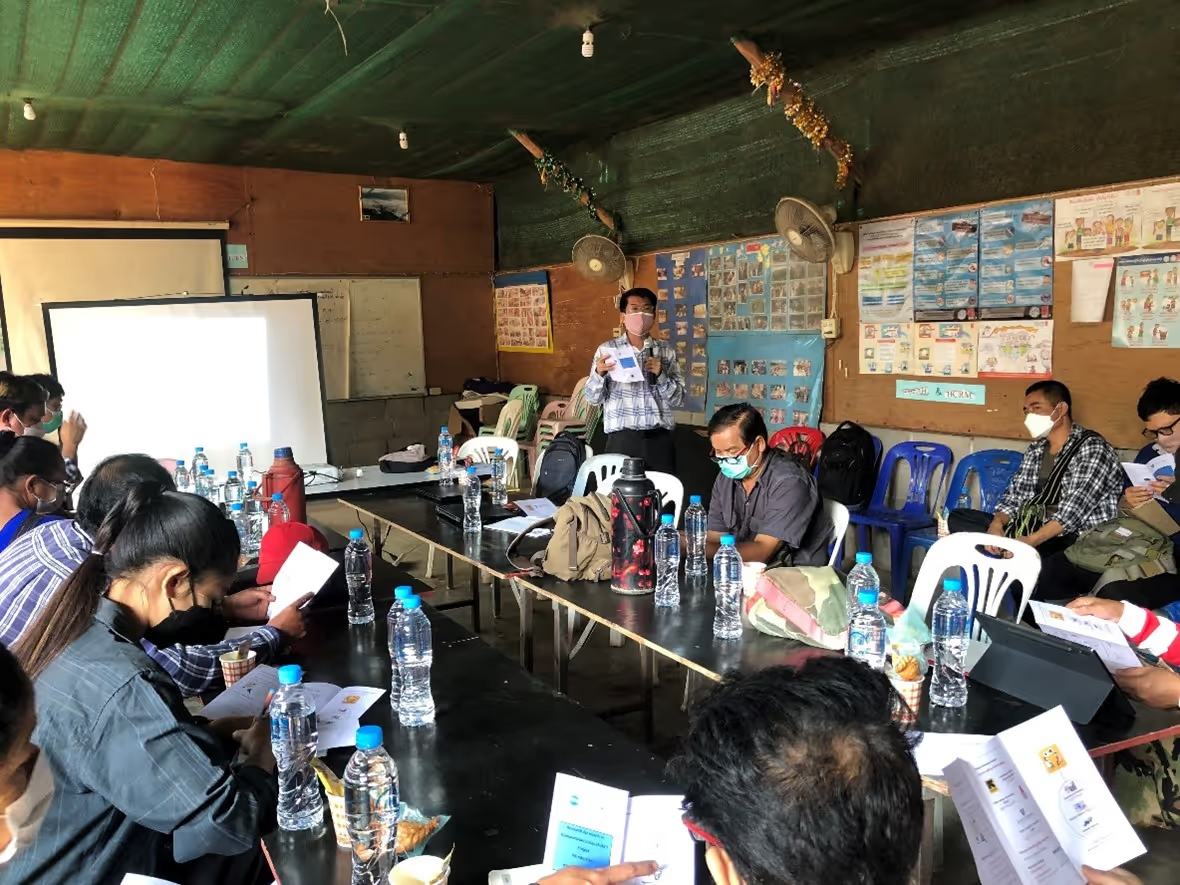
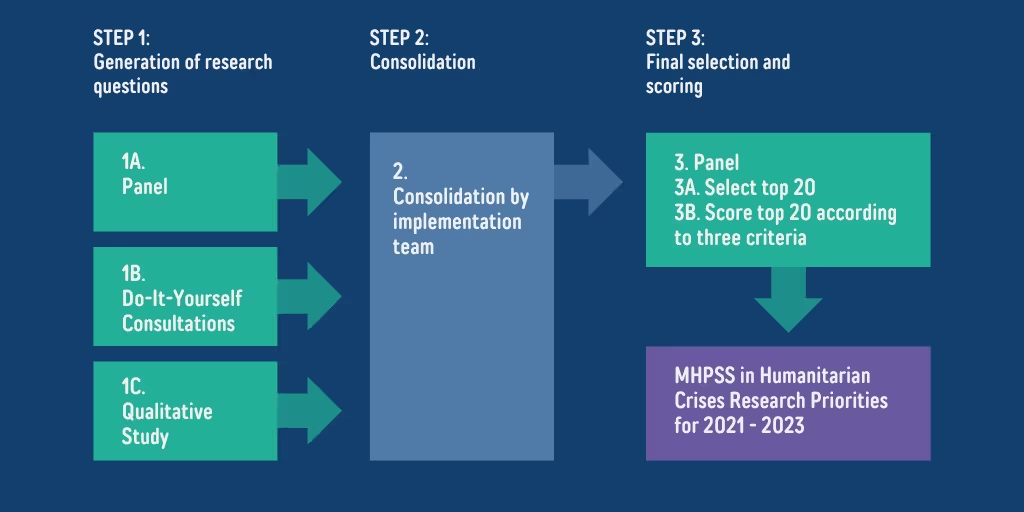
In 2022 we funded the development of a consensus-based ten-year research agenda for NCDs in humanitarian settings. This project was conducted by the International Rescue Committee and the American University of Beirut, guided by a Steering Committee comprising NCD technical experts, researchers and practitioners. Forty-three research questions were developed and prioritised following a multi-stage consultation with researchers, health practitioners and policymakers.
To narrow the research focus, the priority setting focused on cardio-metabolic syndrome (CMS) – a leading contributor to morbidity and mortality in humanitarian settings. CMS is a cluster of NCD conditions that occur concurrently, placing significant stress on individuals, families, communities, and the healthcare system.
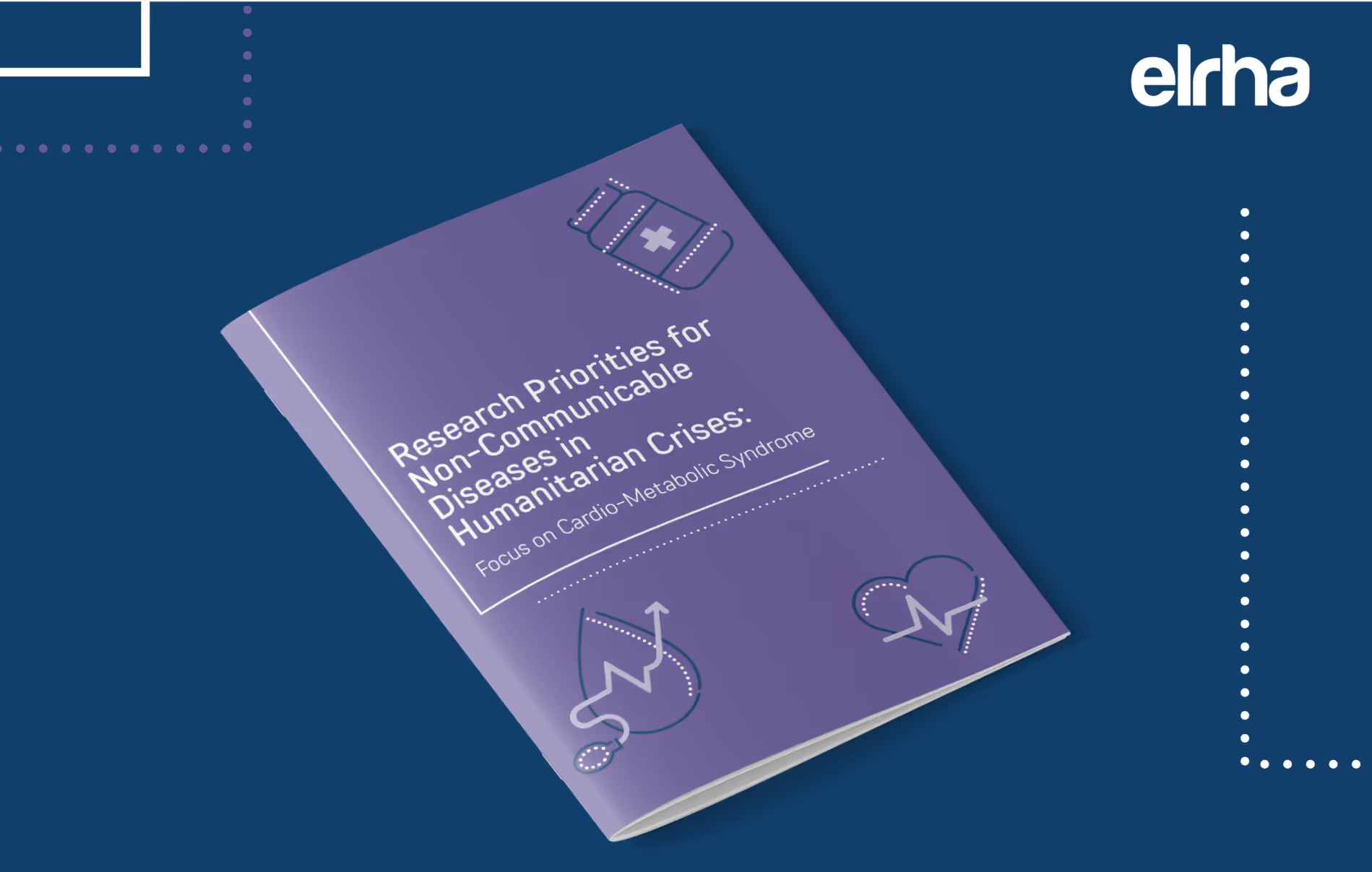
Research priorities for non-communicable diseases in humanitarian crises: Focus on cardiometabolic syndrome
We commissioned this prioritisation exercise to establish a research agenda for the next ten years.
The silent emergency of chronic diseases in humanitarian settings
Our policy brief makes the case for making care for NCDs a core humanitarian health priority. It highlights how scalable locally led, and context-adapted innovations can sustain care, strengthen health systems and prevent avoidable deaths, and calls for the financing, integration and support needed to scale them.
Featured resources
Explore our most impactful publications and tools


.png)





.png)



What we fund in non-communicable disease
Explore the groundbreaking projects that Elrha supports across the globe. From health innovations to disaster risk reduction, our funding drives impactful solutions in humanitarian contexts.


.avif)