


Research Snapshot: Which facemasks are best to protect from breathing volcanic ash?


Output type
Research snapshot
Location
No items found.
Focus areas
Non-communicable diseases (NCD)
Topics
Disaster Risk Reduction
Programme
Humanitarian Research
Organisations
Durham University
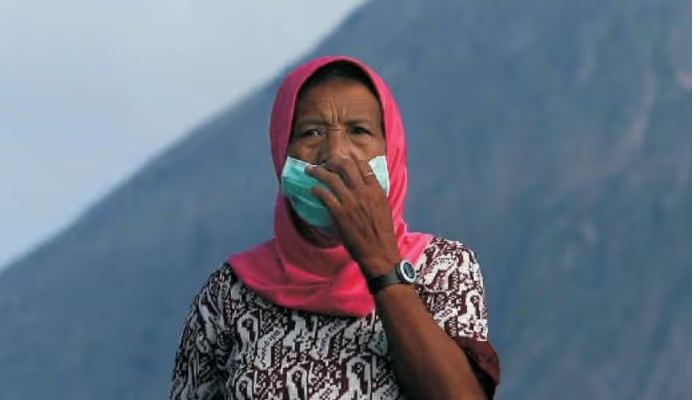

This document provides a two-page summary of the research undertaken as part of the R2HC-funded study Respiratory Health Interventions in Volcanic Eruption Crises.
Governmental and humanitarian agencies recommend and distribute a variety of facemasks, most commonly surgical masks, in responses to volcanic risk. However, this research study found these masks are not always effective at protecting people from inhaling volcanic ash. The study provides a new evidence-base and practical guidance to inform humanitarian interventions.
This Snapshot summarises:
- Background to the research and how the research was conducted,
- Key findings,
- Implications for humanitarian practitioners and policymakers,
- Recommendations,
- Further reading.
No items found.
Attachments
Other resources
explore all resources
Grantee Webinar: An introduction to blogging for R2HC researchers
Research Snapshot: Identifying at-risk malnourished children saves lives
Examining the ethics and practicalities of palliative care in emergencies