


Research Snapshot: Reaching refugees during the COVID-19 pandemic


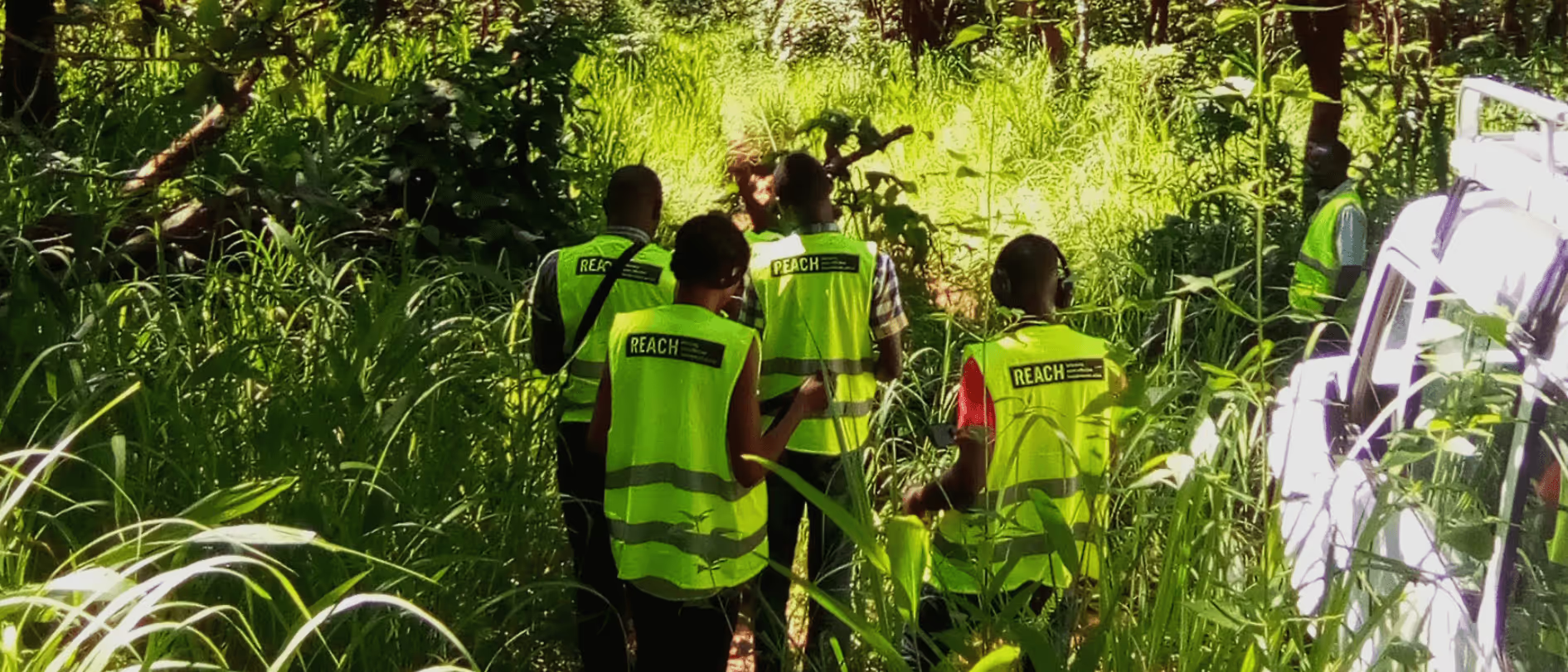

Exploring innovative approaches to collecting COVID-19 symptom and exposure data and sharing public health information with displaced populations in remote locations.
The “Dial-COVID” telephone tool enabled collection and dissemination of COVID-19 information among refugee populations in Uganda. The study aimed to implement Dial-COVID and assess uptake, population coverage, and the positive predictive value of the algorithm to identify people with COVID-19. A cross-sectional survey and semi-structured qualitative interviews conducted by phone were used to understand refugees’ COVID-19 knowledge, risk perception, and barriers/facilitators to prevention and control measure adoption.
Results showed that Interactive Voice Response (IVR) surveys with pre-recorded messages in nine languages overcame language and literacy barriers, did not require smartphone or internet access, and eliminated the need for in-person interaction. Its effectiveness at reaching previously hard-to-reach groups and adaptability may make IVR an appealing method for dynamic public health emergencies or outbreaks that require a rapid response.