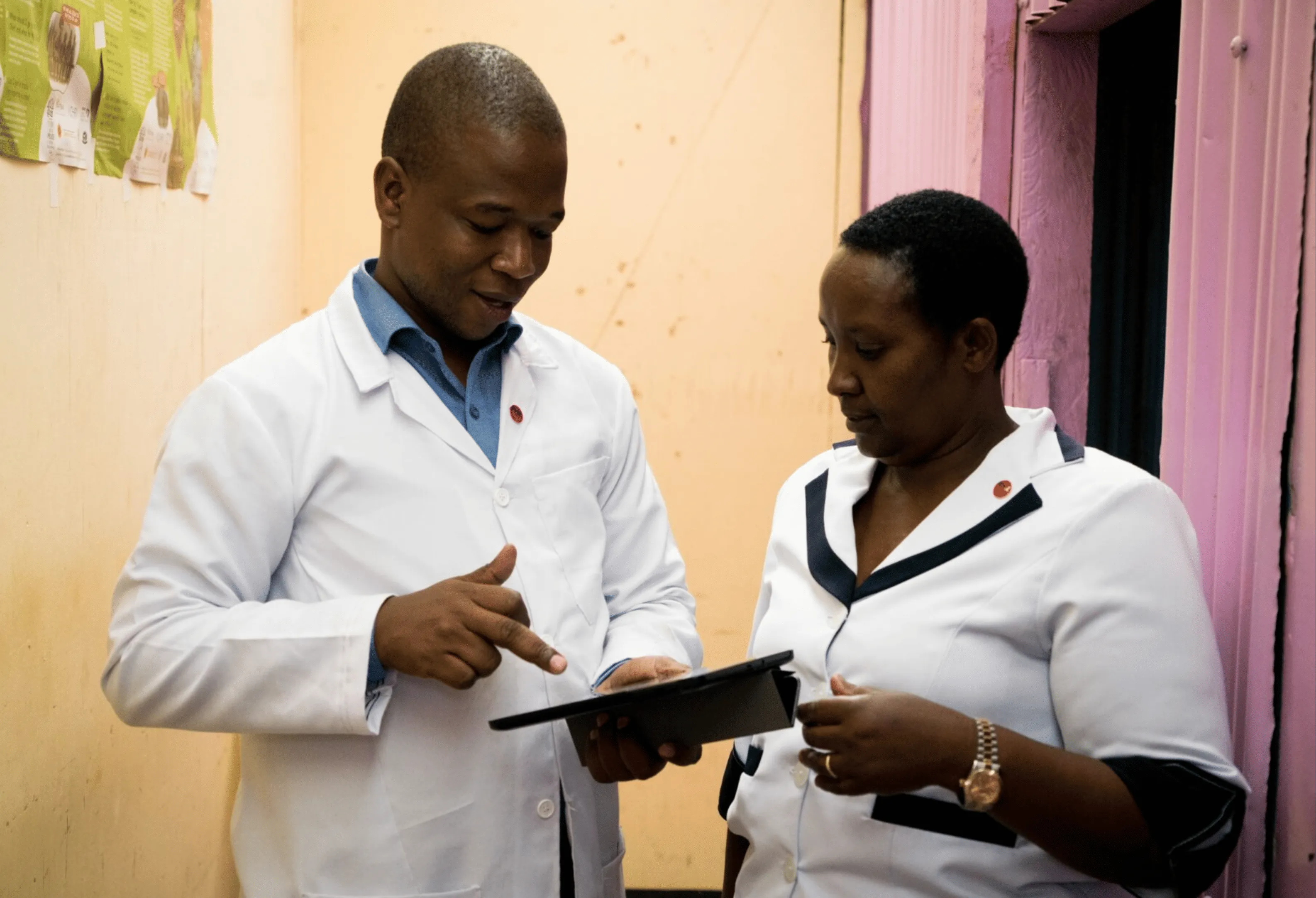


Communities at the center of mpox and Ebola emergency responses: Driving local level impact through social and behavioural science

Project overview
These operational studies generated, within weeks, rapid community evidence that shaped the mpox emergency response, and produced a new interagency protocol for conducting ethical, high quality community assessments for future health emergencies.
Project solution
This project offers [specific solution or intervention] to tackle [challenge]. By implementing [strategies, tools, or innovations], the project aims to achieve [desired outcomes]. The approach is designed to [specific actions or methods] to bring about meaningful change in [community, region, or issue area].
Expected outcomes
This project aims to achieve [specific outcomes], such as [measurable results, improvements, or changes]. The expected impact includes [benefits to the target community, advancements in research or innovation, or long-term effects]. By the end of the project, we anticipate [specific changes or milestones] that will contribute to [broader goals or objectives].
Principal Investigator: Dr. Nina Gobat
Research Snapshot: Rapid assessments for community protection for mpox
These operational studies generated, within weeks, rapid community evidence that shaped the mpox emergency response, and produced a new interagency protocol for conducting ethical, highquality community assessments for future health emergencies.
[.cta_link]View the snapshot[.cta_link]
What did the project set out to achieve?
This series of projects aimed to strengthen community-centred public health response to health emergencies by improving how community evidence is generated and used.
Effective mpox prevention and control depends not only on biomedical interventions but on how they are understood and taken up within diverse social, cultural and economic contexts. Transmission dynamics, information and health-seeking behaviours are also shaped by community-level factors such as trust and access to resources. Effective and acceptable responses need to consider and reflect these dynamics. Community evidence can help - but it is often unavailable, arrives too late, is of variable quality or difficult to interpret. Rapid community assessments address this gap directly.
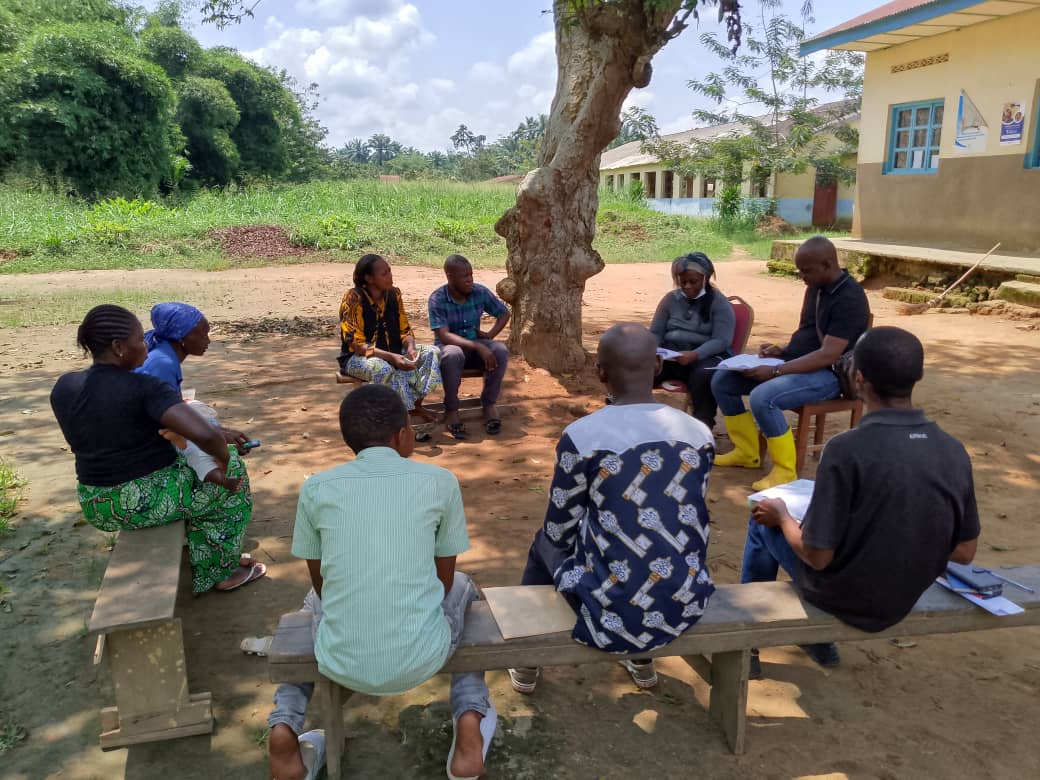
Rapid qualitative methods were used to capture community experiences, priorities and concerns. In DRC (Sept 2025), 292 community members participated in 27 focus groups and 37 key informant interview. In Liberia (Oct-Nov 2025), 203 community members participated in 36 focus groups and 45 key informant interviews. Data collection and analysis were conducted in parallel within 2-3 weeks. Findings were then validated and recommendations codeveloped with response teams and communities.
What were the key findings?
During the mpox Public Health Emergency of International Concern (2024-2025) national teams led rapid assessments in Tshopo province, the Democratic Republic of the Congo (DRC) and four counties in Liberia. These studies generated evidence on how communities understood mpox, accessed care and experienced impacts of the outbreak. Co-developed recommendations informed response actions affecting an estimated 5.6 million people across both contexts. These operational studies advanced the use of social and behavioural science by field-testing a new multihazard protocol for rapid assessments for community protection, approved by the WHO headquarters Research Ethics Committee.
Despite contextual differences between DRC and Liberia, common trends emerged.
- Mpox symptoms were often confused with other illnesses. Rumours and misinformation shaped risk perceptions.
- Mpox was seen as a lower priority than other pressing health concerns and access to basic services, food and water.
- Participants sought care from herbal remedies, prayer, traditional treatment and self-purchased drugs before turning to formal health services.
- Barriers to care included distance, transport costs, stigma and fear of isolation. Public health measures such as home isolation were seen as difficult to implement in practice.
- Trusted local actors (e.g. community health workers, chairpersons, or civil society organisations) supported information sharing, case detection and referral but lacked resources, training and recognition.
- Mpox had social and economic impacts, including stigma, income loss and disruption to schooling.
What does this mean for policymakers and practitioners?
Based on the results, the co-developed recommendations to strengthen community engagement and care pathways included: strengthening communication on mpox in local languages; expanding training, supervision and logistical support for community health workers and networks to improve outreach and referral; improving access to care by addressing transport barriers and indirect costs faced by patients and caregivers; and strengthening community dialogue to address stigma and support reintegration of recovered patients.
The findings highlight that effective mpox prevention and control require an integrated approach for community protection. Community health systems must be supported for early detection, referral and sustained outreach, and response strategies must account for the wider social and economic impacts affecting the feasibility and uptake of prevention and care measures.
The assessments demonstrate the value of generating timely community evidence using a structured interagency reference research protocol. This protocol, now available for use, equips national teams to generate community evidence based on international ethical and quality standards to support community-centred public health response.
How else has this work been used?
In September 2025, a new Ebola outbreak was identified in Kasai, DRC. The standardized protocol developed through this project for mpox was quickly adapted for Ebola and deployed to gather community perspectives, demonstrating how this approach can be transferred across outbreaks to support more responsive, community-informed action.
[.cta_link]Explore the Ebola Research Snapshot[.cta_link]
Project delivery & updates
Stay up to date with the latest developments from this project. Here, you will find details on what has been delivered, resources created, and regular updates as the project progresses. Access key documents, reports, and other materials to see how the project is making an impact.