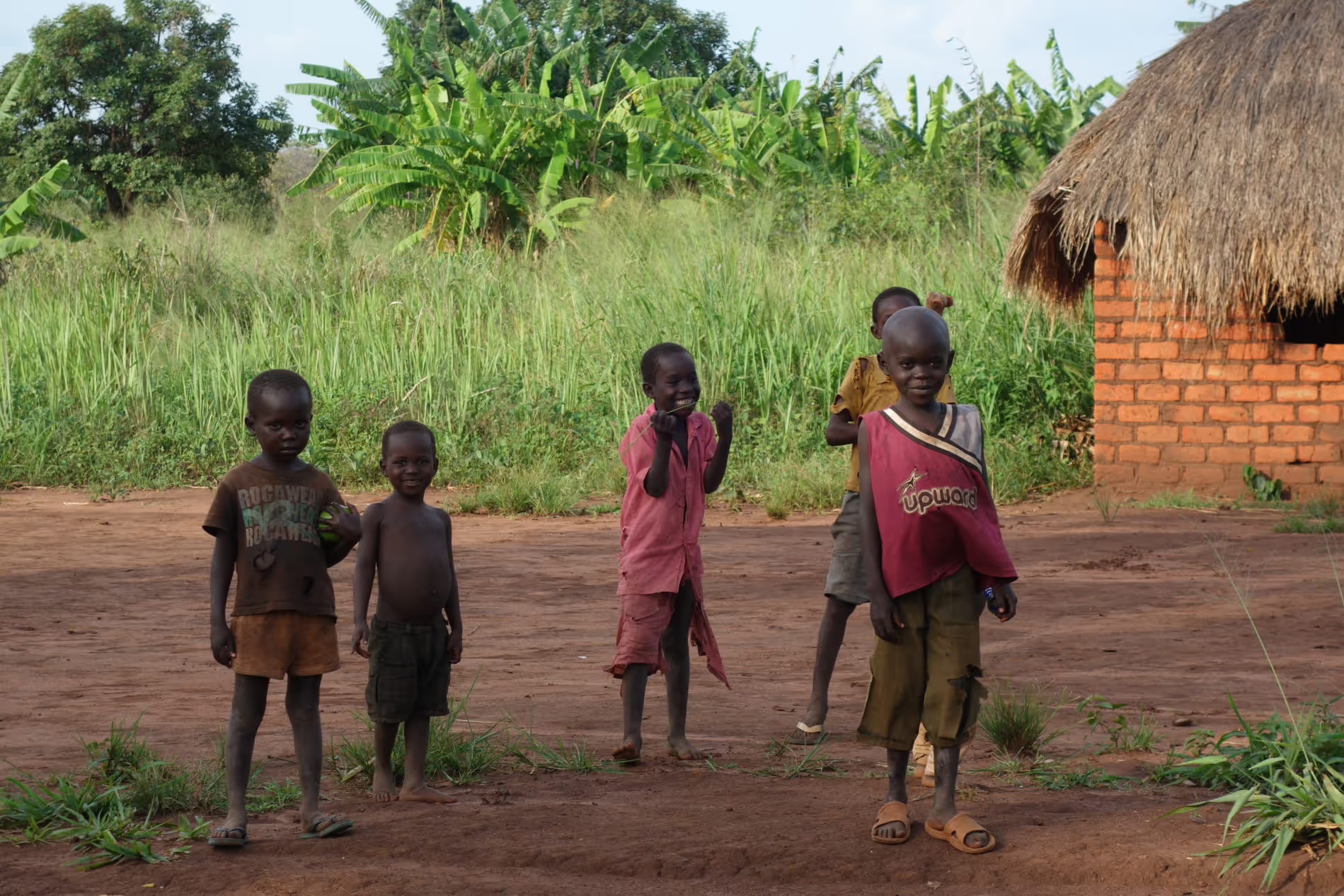


Innovative approaches to reduce the burden of disease caused by onchocerciasis
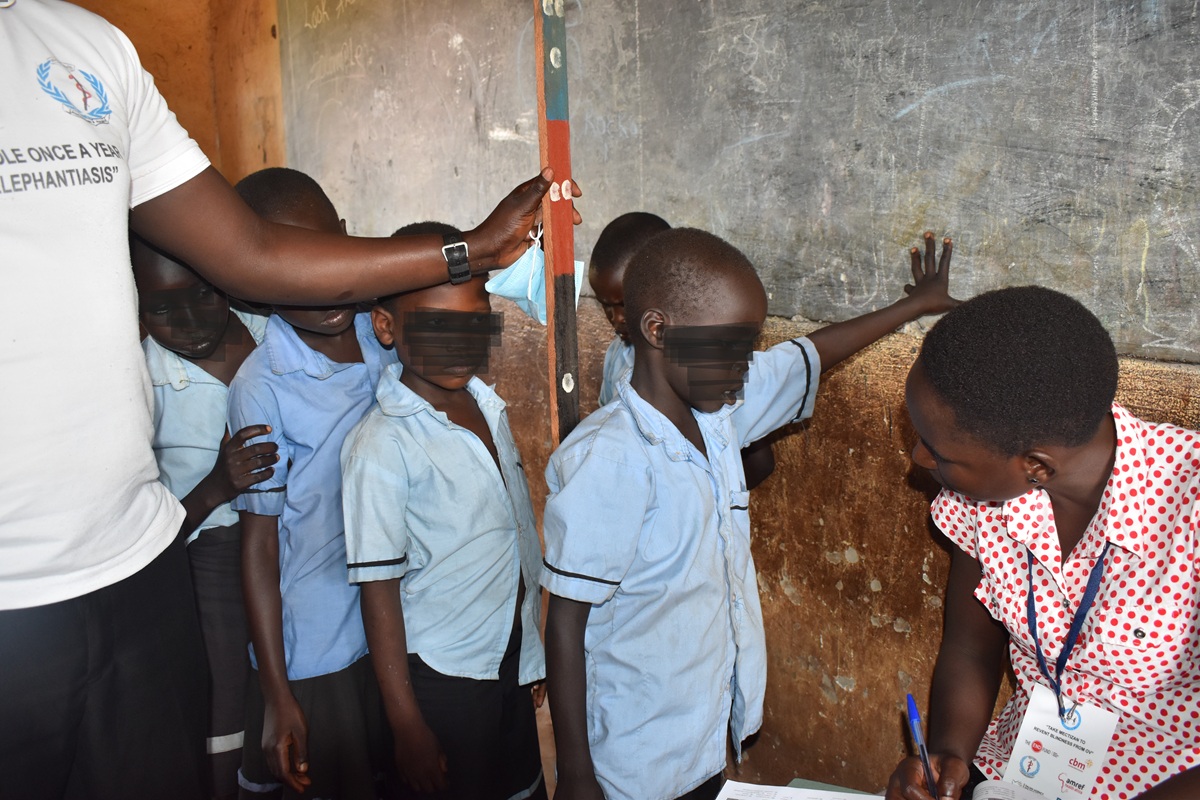

Project overview
The study tested the effectiveness of innovative approaches to tackle onchocerciasis in South Sudan, to reduce onchocerciasis transmission and prevent onchocerciasis-associated epilepsy.
Countries
South Sudan
Organisations
Amref Health Africa
Partners
Medici con l’Africa – CUAMM, Light For The World, Sudan Evangelical Mission, Christian Blind Mission), The Catholic Diocese of Wau, APOTHEKER HELFEN e.V./German Pharmacists’ Aid, University of Antwerp, Access for Humanity
Area of funding
Humanitarian Research
Grant amount
£400,000
Start date
01
February
2023
End date
01
April
2025
Project length (in months)
26
Funding calls
Topics
No items found.
Status
Closed
Project solution
This project offers [specific solution or intervention] to tackle [challenge]. By implementing [strategies, tools, or innovations], the project aims to achieve [desired outcomes]. The approach is designed to [specific actions or methods] to bring about meaningful change in [community, region, or issue area].
Expected outcomes
This project aims to achieve [specific outcomes], such as [measurable results, improvements, or changes]. The expected impact includes [benefits to the target community, advancements in research or innovation, or long-term effects]. By the end of the project, we anticipate [specific changes or milestones] that will contribute to [broader goals or objectives].

Dr. Gasim Abd-Elfarag
Amref Health Africa
Evidence-based interventions are key in addressing diseases that debilitate communities. This research is expected to provide the needed evidence to decrease the burden of disease caused by onchocerciasis-associated epilepsy through effective community-based interventions.
Principal Investigator: Dr. Gasim Abd-Elfarag
Research Snapshot: Reducing epilepsy deaths in South Sudan
Building on a prior project to trial effective interventions, this implementation science study explored impacts of an intensified community awareness programme on onchocerciasis and epilepsy, which has increased community directed treatment with ivermectin (CDTi) coverage in Maridi, resulting in a reduction in incidence of onchocerciasis-associated epilepsy (OAE).
[.cta_link]Read the Snapshot[.cta_link]
What did the study set out to achieve?
Onchocerciasis, known as ‘river blindness’, and linked with blackfly bites, is a debilitating eye and skin disease that causes discomfort and can lead to permanent blindness. In the absence of effective elimination programs, onchocerciasis is linked to high rates of epilepsy, including ‘Nodding Syndrome’/ OAE, leading to severe disabilities and increased mortality.
This study combined formative research, a quasi-experimental pre–post intervention evaluation, cohort studies, and cross-sectional surveys. It evaluated efforts to reduce the impacts of OAE through ivermectin treatment, (including targeting post-partum women and school age children), vector control, and enhancing epilepsy care in onchocerciasis endemic districts of South Sudan. Disease burden assessment and cost-effectiveness analysis was also completed.
What were the key findings?
Boosting coverage of ivermectin treatment and improving care programmes has a significant impact in communities affected by onchocerciasis-associated epilepsy (OAE).
- Ivermectin coverage significantly improved in Maridi district in 2023 after biennial treatment (70.3%). The intervention targeting post-partum women increased coverage by 2%. The school intervention could not be assessed.
- There was only limited reduction in blackfly biting rates after one round of ‘slash and clear’ in Mundri and Mvolo.
- In 2024, deaths among people with epilepsy in Maridi dropped 4-fold compared with baseline in 2018. The biggest improvement was among 11–20-year-olds. However, in 2024, epilepsy mortality was nearly 2x the general rate.
- Areas with ongoing transmission of onchocerciasis is still spreading, like Wulu in Lakes State, still have high rates of epilepsy, with a high proportion also having nodding seizures.
- Direct costs for the school-based approach targeting children were USD0.14 per child and for slash and clear was 1380$. There were no additional costs associated with the programme targeting postpartum women.
No items found.

Project delivery & updates
Stay up to date with the latest developments from this project. Here, you will find details on what has been delivered, resources created, and regular updates as the project progresses. Access key documents, reports, and other materials to see how the project is making an impact.
No resources/updates have been published yet for this project. Sign up for our newsletter to stay informed about upcoming publications and updates!
Join our Newsletter
Resources
Epilepsy in the onchocerciasis endemic area of Deim Zubeir, South Sudan: A household survey
Journal article
LEARN MOREEpidemiology of epilepsy in Wulu County, an onchocerciasis-endemic area in South Sudan
Journal article
LEARN MOREEvaluating epilepsy management in an onchocerciasis-endemic area: Case of Maridi, South Sudan
Journal article
LEARN MOREAccelerating onchocerciasis elimination in humanitarian settings: lessons from South Sudan
Journal article
LEARN MOREHigh epilepsy prevalence and excess mortality in onchocerciasis-endemic counties of South Sudan: A call for integrated interventions
Journal article
LEARN MOREA community-based vector control intervention “Slash and Clear” implemented in two onchocerciasis-endemic foci in South Sudan
Journal article
LEARN MORECommunity-directed treatment with ivermectin in Maridi, South Sudan: Impact of an onchocerciasis awareness campaign and bi-annual treatment on therapeutic coverage
Journal article
LEARN MORE