


Comparing effectiveness and cost-effectiveness of Cash Plus interventions in preventing Acute Malnutrition in Somalia

Project overview
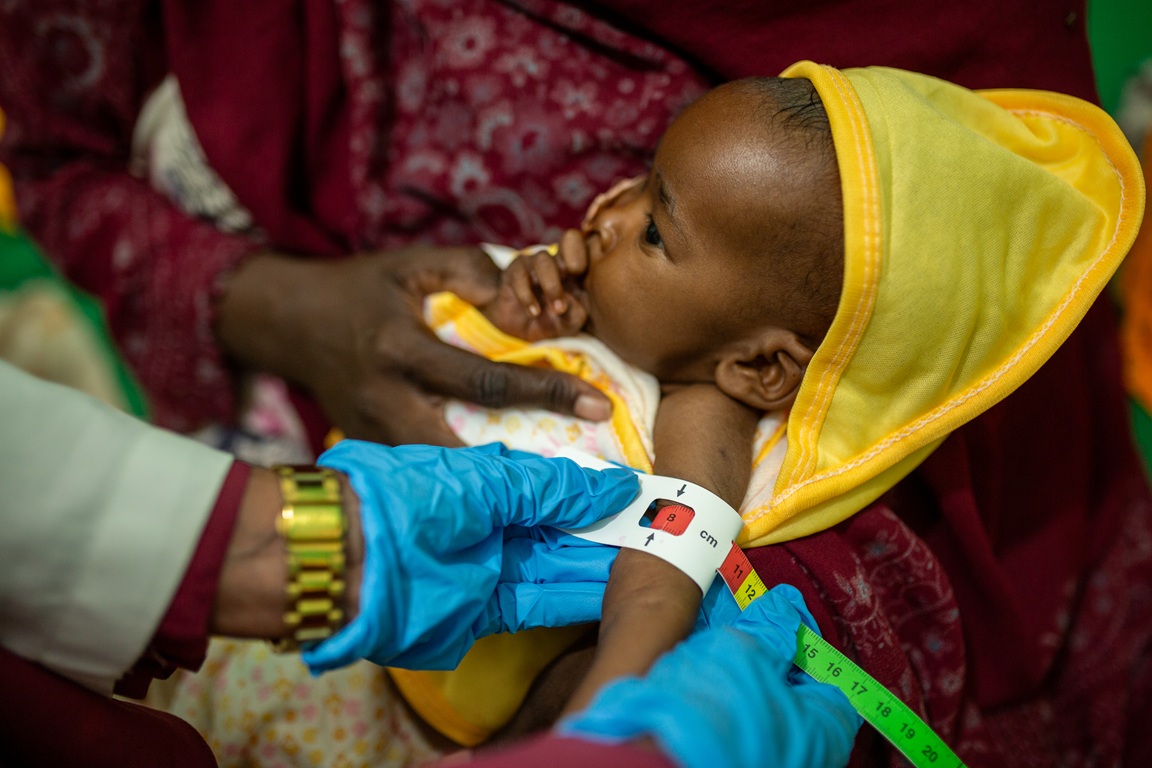
The study tested the effectiveness and cost-effectiveness of Cash Plus interventions on the wasting status of children under five and pregnant and lactating women.
Project solution
This project offers [specific solution or intervention] to tackle [challenge]. By implementing [strategies, tools, or innovations], the project aims to achieve [desired outcomes]. The approach is designed to [specific actions or methods] to bring about meaningful change in [community, region, or issue area].
Expected outcomes
This project aims to achieve [specific outcomes], such as [measurable results, improvements, or changes]. The expected impact includes [benefits to the target community, advancements in research or innovation, or long-term effects]. By the end of the project, we anticipate [specific changes or milestones] that will contribute to [broader goals or objectives].

Courtland Robinson
Johns Hopkins University
As cash transfers are becoming an increasingly common mode of delivering aid in humanitarian contexts, we need to know more about how cash transfers affect relationships in the lives of people in these contexts. A deeper understanding of how cash transfers influence gender dynamics in households will enable organisations to design better and higher quality cash transfer programmes in line with do-no-harm principles.
Dr Nadia Akseer
Johns Hopkins University
Providing cash support to children and families in emergencies is often the crux of humanitarian efforts, yet high-quality evidence on impact and cost-effectiveness of such programs is limited, typically due to the acute nature and large-scale displacement of affected populations. Building on the global evidence and approaches on Cash for Nutrition from Save the Children, this R2HC-funded research provides an invaluable opportunity to study these vulnerable groups in the long-established programmatic settings of Save the Children in Somalia, and with rigorous design and analysis support from JHU and strong engagement from local communities and cash/nutrition key stakeholders. Coupled with strong research uptake and dissemination efforts, we are excited for the reach and potential impact of study findings.
Principal Investigators: Dr. Nadia Akseer
Research Snapshot: Cash plus nutrition education shows promise for combating wasting
This study in Somalia showed that addition of a Social and Behavioural Change (SBCC) intervention (nutrition education programming), to cash transfers (‘Cash Plus’) significantly outperformed both cash alone and increased cash, offering both improved and sustained nutritional outcomes and high value-for-money.
[.cta_link]Read the Snapshot[.cta_link]
What did the study set out to achieve?
Wasting affects millions of children under 5 years (CU5) and pregnant and lactating women (PLW) annually, yet research into the most effective, preventative interventions is nascent. Existing evidence indicates that cash assistance can be effective in addressing malnutrition when combined with nutrition education - known as “Cash Plus” or “Cash +”. However, there is limited research in humanitarian contexts which compares the effectiveness and cost-effectiveness of Cash by itself with Cash Plus.
A randomised control trial alongside cost-efficiency analysis was conducted in Bay and Hiran regions of Somalia, comparing three arms over six months:
- Cash Only (517 households): cash transfers,
- Cash + SBCC intervention (501 HHs): Cash assistance with nutrition education activities
- Cash + Top-up (472 HHs): increasing the amount of cash to each household
What were the key findings?
- Cash +SBCC proved effective in preventing acute malnutrition (wasting) among children under five and influencing nutrition behaviours among pregnant and lactating women. Neither Cash-Only nor Cash+Top-up effectively decreased wasting amongst children under 5.
- The proportion of households experiencing moderate/severe hunger decreased across arms 1 and 2, but not for Cash+Top-ups.
- Children’s diet diversity - including the intake of animal-source proteins - improved across all study arms, with those receiving Cash+Top-ups improving the most.
- Six months of programming cost $875 per household for Cash-Only, $906 for Cash+SBCC, and $1204 for Cash+Top-up. Since Arm 2 had a relatively low marginal cost (+$31 per child) and was the only approach that reduced wasting, Cash+SBCC is the most cost-effective arm.
- Households in Arm 2 incurred an average of $8 in costs to attend 12 weeks of nutrition education sessions, mostly for transport
What does this mean for policymakers and practitioners?
These findings offer strong evidence for integrating SBCC into cash-based nutrition interventions aiming to prevent and reduce acute malnutrition. They make a compelling case for integrated humanitarian assistance that combine financial support with education, especially in fragile settings. As humanitarian funding becomes increasingly constrained, such evidence-based approaches are vital for ensuring that scarce resources deliver maximum impact for vulnerable populations.
Cash programs aiming to address malnutrition of children should consider incorporating nutrition education activities, while taking steps to address the costs for participants of attending to ensure interventions reach the most vulnerable households.
Simply providing more cash is not a cost-effective method to address wasting in children in Somalia. This does not, however, indicate that Cash-Only and Cash+Top-Up are not beneficial in addressing food insecurity: both approaches showed positive impacts on children’s diet, diversity and overall household hunger reduction.
Currently, siloed implementation of cash and nutrition programs limits impact; therefore, linking actors through platforms like SUN and the Prime Minister’s Office, and establishing an intersectoral working group, will foster collaboration, align objectives, and strengthen policy coherence.
Project delivery & updates
Stay up to date with the latest developments from this project. Here, you will find details on what has been delivered, resources created, and regular updates as the project progresses. Access key documents, reports, and other materials to see how the project is making an impact.
Resources
Research brief
LEARN MOREResearch snapshot
LEARN MOREArticle
LEARN MOREArticle
LEARN MOREArticle
LEARN MORE