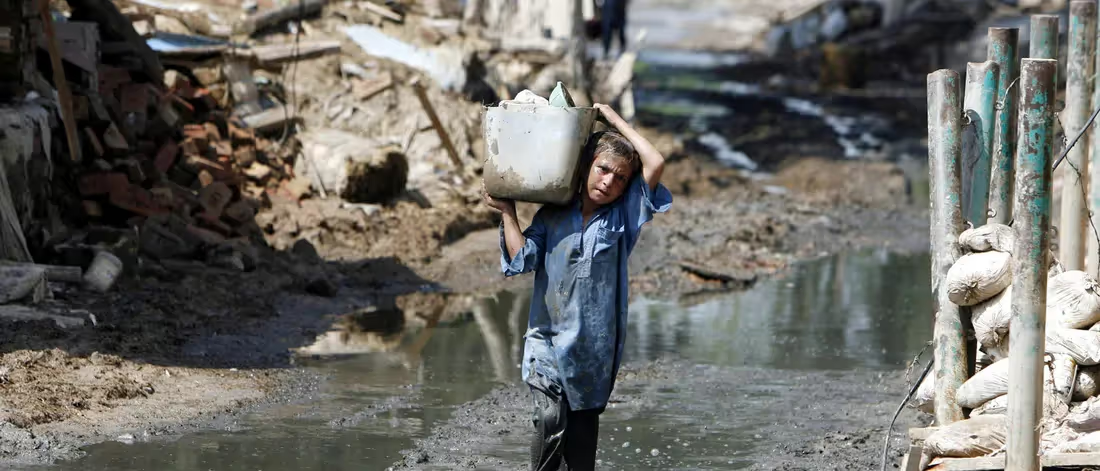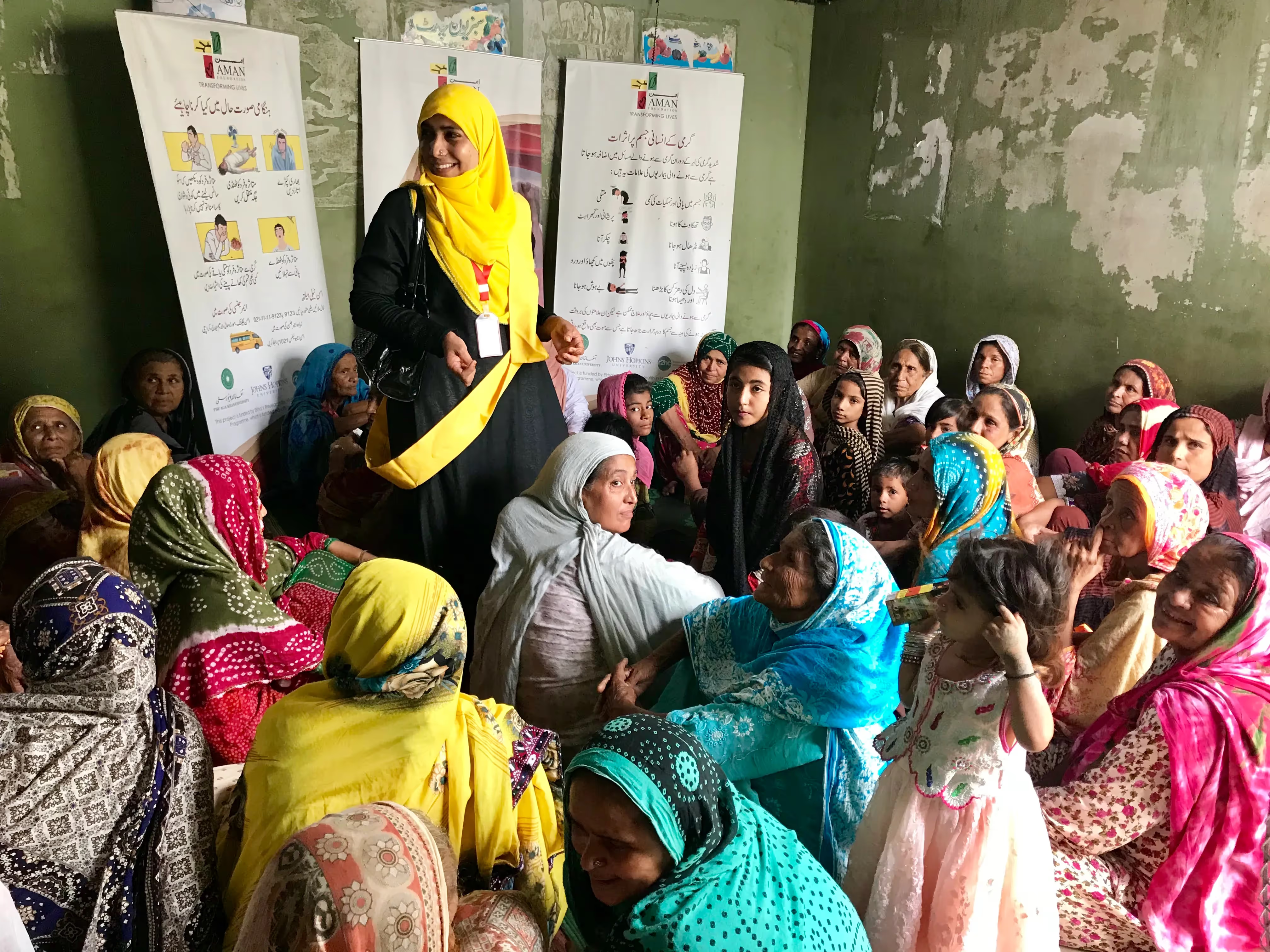

People affected by humanitarian crises are on the frontlines of the climate crisis. Extreme weather events, environmental degradation, food and water insecurity, and changing disease patterns are increasing risks for communities already affected by conflict, displacement and fragile health systems.
We are working to strengthen the evidence on how humanitarian actors, governments and communities can better anticipate, adapt to and respond to climate-related risks. This includes understanding which approaches are most effective in protecting lives, livelihoods and health in crisis-affected settings, and what is needed to support their wider adoption.
Why this matters
Climate change is intensifying humanitarian needs around the world. Floods, droughts, extreme heat and other climate-related hazards can disrupt essential services, damage infrastructure, increase disease risks and force people from their homes. For populations already experiencing crisis, these impacts can compound existing vulnerabilities and make recovery more difficult.
Despite growing recognition of the links between climate change and humanitarian need, there is still limited evidence on which adaptation and resilience-building approaches work best in different contexts. At the same time, communities, practitioners and innovators are developing practical solutions that can help people better prepare for, withstand and recover from climate-related shocks.
Our work
Our work on climate change has grown from exploring its impacts on health in humanitarian settings to identifying practical priorities for adaptation across humanitarian action.
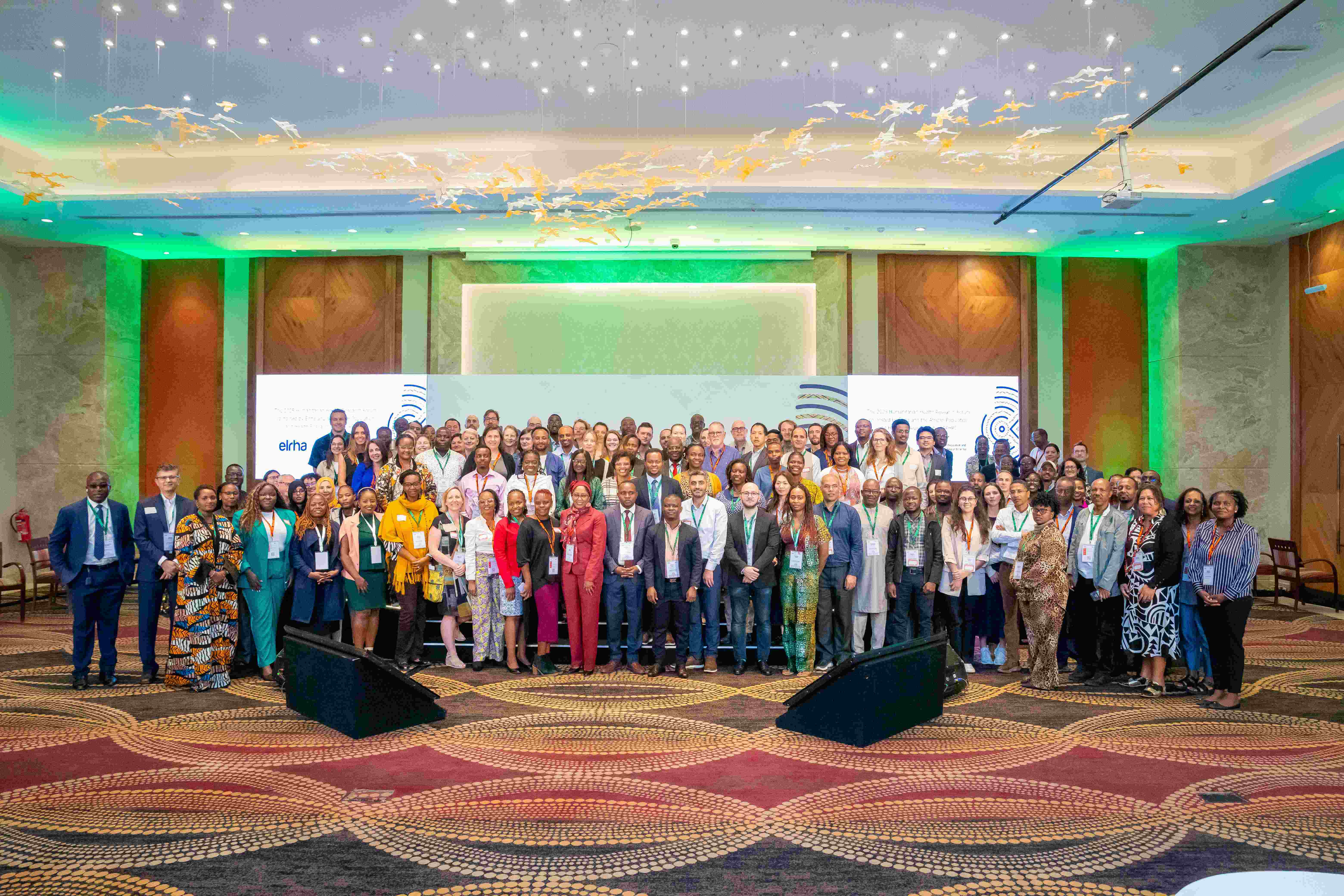
In 2024, we began by examining the evidence, gaps and initiatives at the intersection of climate and humanitarian health. Other key pieces of work have helped identify how research innovation can strengthen the climate resilience of humanitarian water, sanitation and hygiene (WASH) services. Climate and health was also a focus of our 2025 Humanitarian Health Research Forum, bringing researchers and humanitarian practitioners together around the challenges facing crisis-affected populations.
Humanitarian Health & Climate Collaborative
Building locally led evidence on climate and health in humanitarian crises, starting in Ethiopia.
The Humanitarian Health and Climate Collaborative (HHCC) is a new five-year initiative funded by the UK Foreign, Commonwealth & Development Office (FCDO) and delivered by Elrha. Starting in Ethiopia, it will bring together humanitarian, health, climate and community actors to generate evidence and test practical approaches that help health systems anticipate and adapt to climate-related shocks.
The Collaborative will be locally led and anchored in national institutions, with a focus on turning evidence into action. Learning from Ethiopia will also help inform approaches that could be adapted for other humanitarian settings.
Upcoming opportunities
Two opportunities will help shape the Collaborative’s first phase in Ethiopia:
- Anchor Institution: Expression of Interest (coming soon): We will shortly be seeking an institution in Ethiopia to act as the HHCC’s secretariat, coordinator and strategic home.
- Ecosystem Scoping Study: Request for Proposal (coming soon): Mapping Ethiopia’s climate-health-humanitarian landscape, including institutions, initiatives, priority hazards and evidence gaps.