


Research Snapshot: What makes a health system resilient?


Output type
Research snapshot
Location
Syria
Jordan
Lebanon
Focus areas
Health Systems & Services
Topics
Health systems and services
Programme
Humanitarian Research
Organisations
Queen Margaret University, Edinburgh
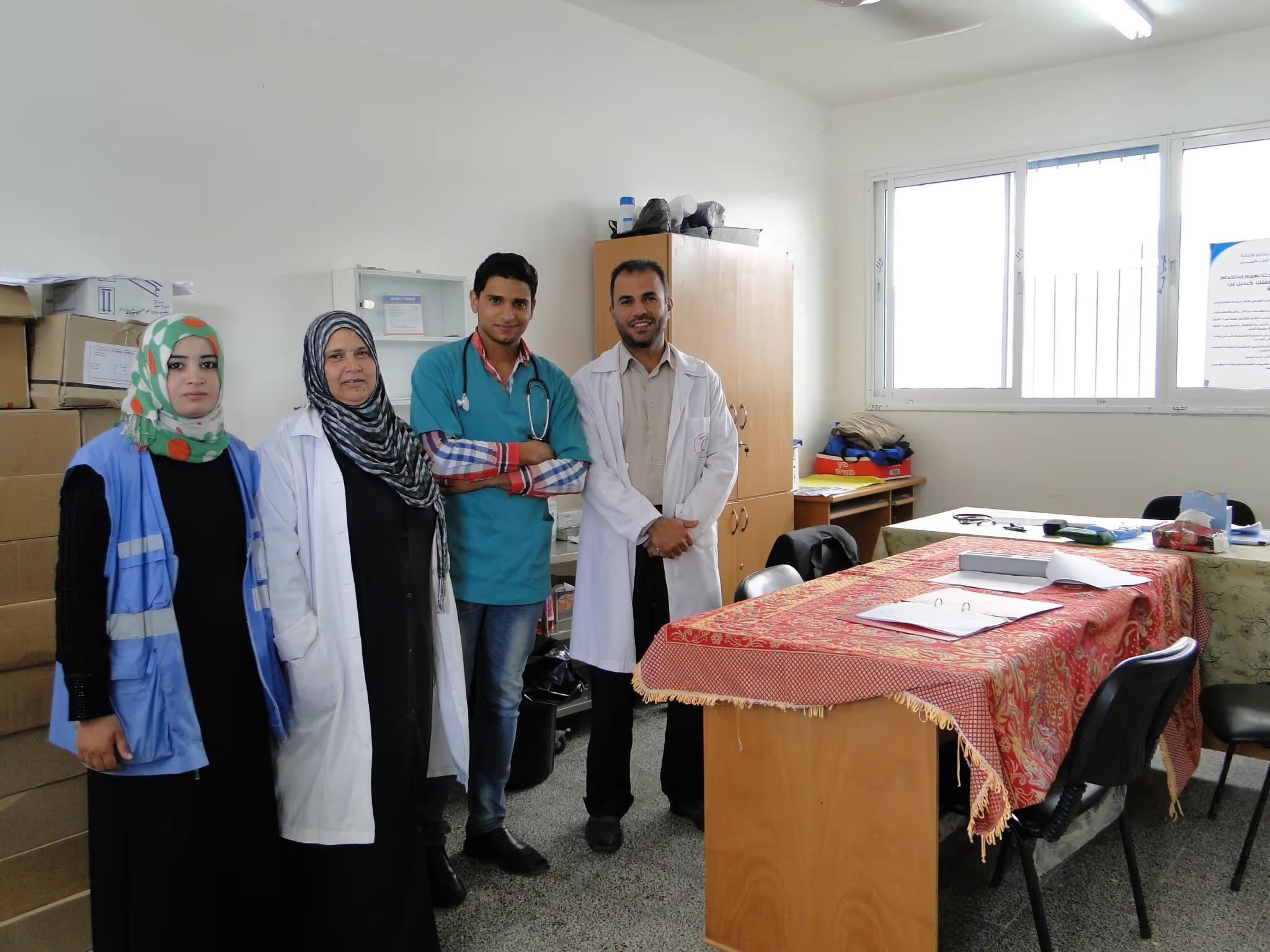

This document provides a two-page summary of the research undertaken as part of the R2HC-funded study Systems Resilience in UNRWA Health Provision to Palestine Refugees Displaced by Syria Crisis.
This research study, conducted in Syria, Lebanon and Jordan, found three capacities which can contribute to a health systems resilience:
• Absorption: addressing needs with available resources
• Adaptation: adjusting how resources are utilised and ensuring multiple pathways of action
• Transformation: creating fundamentally new services/systems of operation in response to shocks and stressors.
This Snapshot summarises:
- Background to the research and how the research was conducted,
- Key findings,
- Implications for humanitarian practitioners and policymakers,
- Recommendations,
- Further reading.
No items found.
Attachments
Other resources
explore all resources
Self Help Plus: study protocol for a cluster-randomised controlled trial of guided self-help with South Sudanese refugee women in Uganda
Research Snapshot: Psychological First Aid in the Ebola outbreak in West Africa
Market Survey of Menstrual Hygiene Items