


Research Snapshot: Reducing harmful alcohol use in humanitarian settings


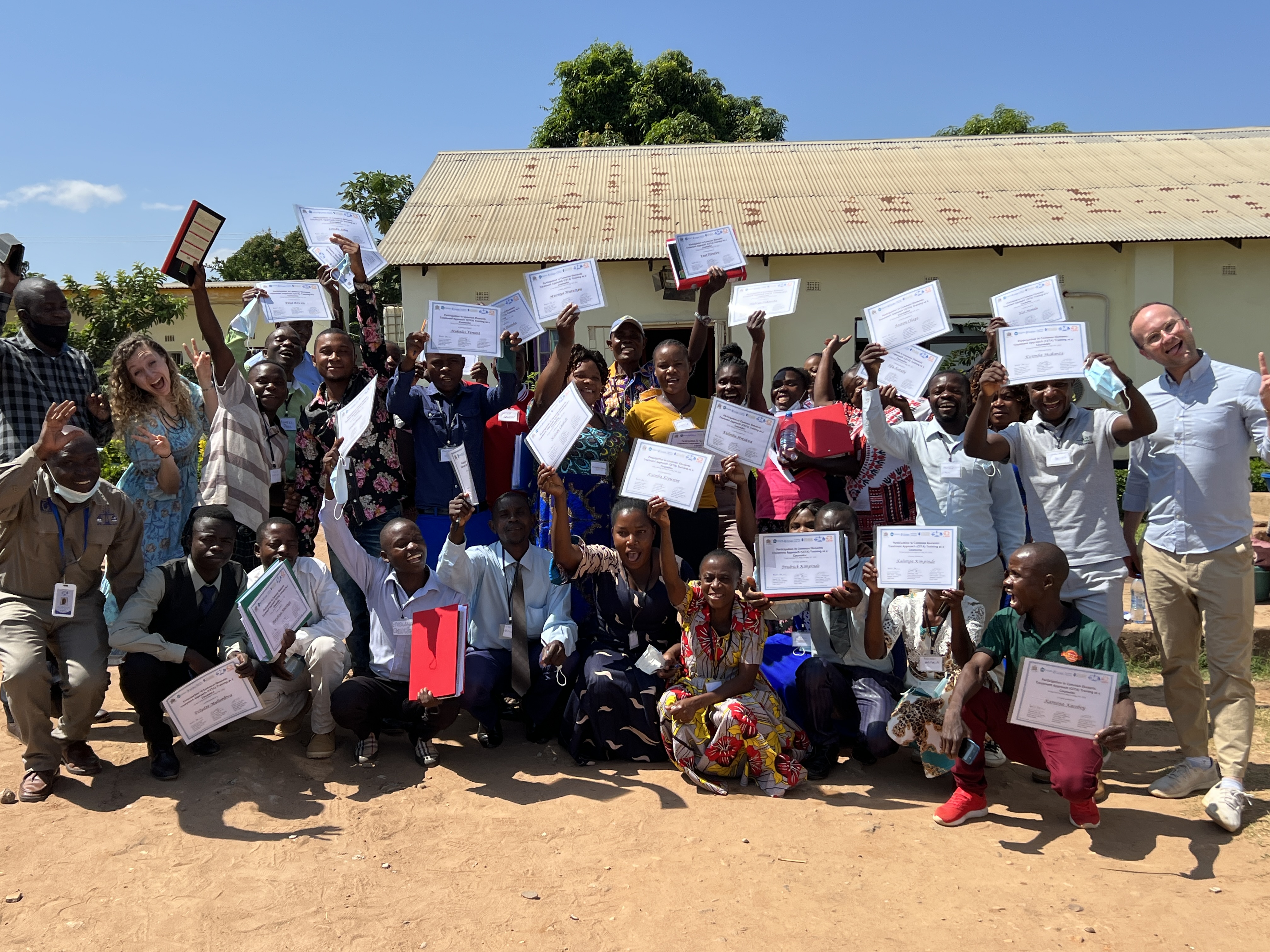

People affected by humanitarian crises face elevated risks of alcohol and other drug use disorders, which contribute substantially to individual and societal harms. However, substance use is largely neglected in humanitarian health research and programming. This study is the first fully powered trial of an intervention to reduce alcohol-related harms in a humanitarian setting.
Screening, Brief Intervention and Referral to Treatment (SBIRT) is a lay provider-delivered approach which uses the Common Elements Treatment Approach- Brief Intervention(CETA-BI) and the full CETA psychotherapy. This study evaluated the effectiveness of SBIRT with refugee and host community members in Mantapala integrated refugee settlement, Zambia. The results show SBIRT lowered unhealthy alcohol use among adults at 6 and 12 months post-enrolment. It offers a scalable strategy that can be delivered by trained non-specialists within primary care to reduce risky alcohol use.
This snapshot contains key messages, findings, implications for humanitarian policymakers and practitioners and recommendations for further research.