


Final Report: Lead User Innovation in Floods Resilience


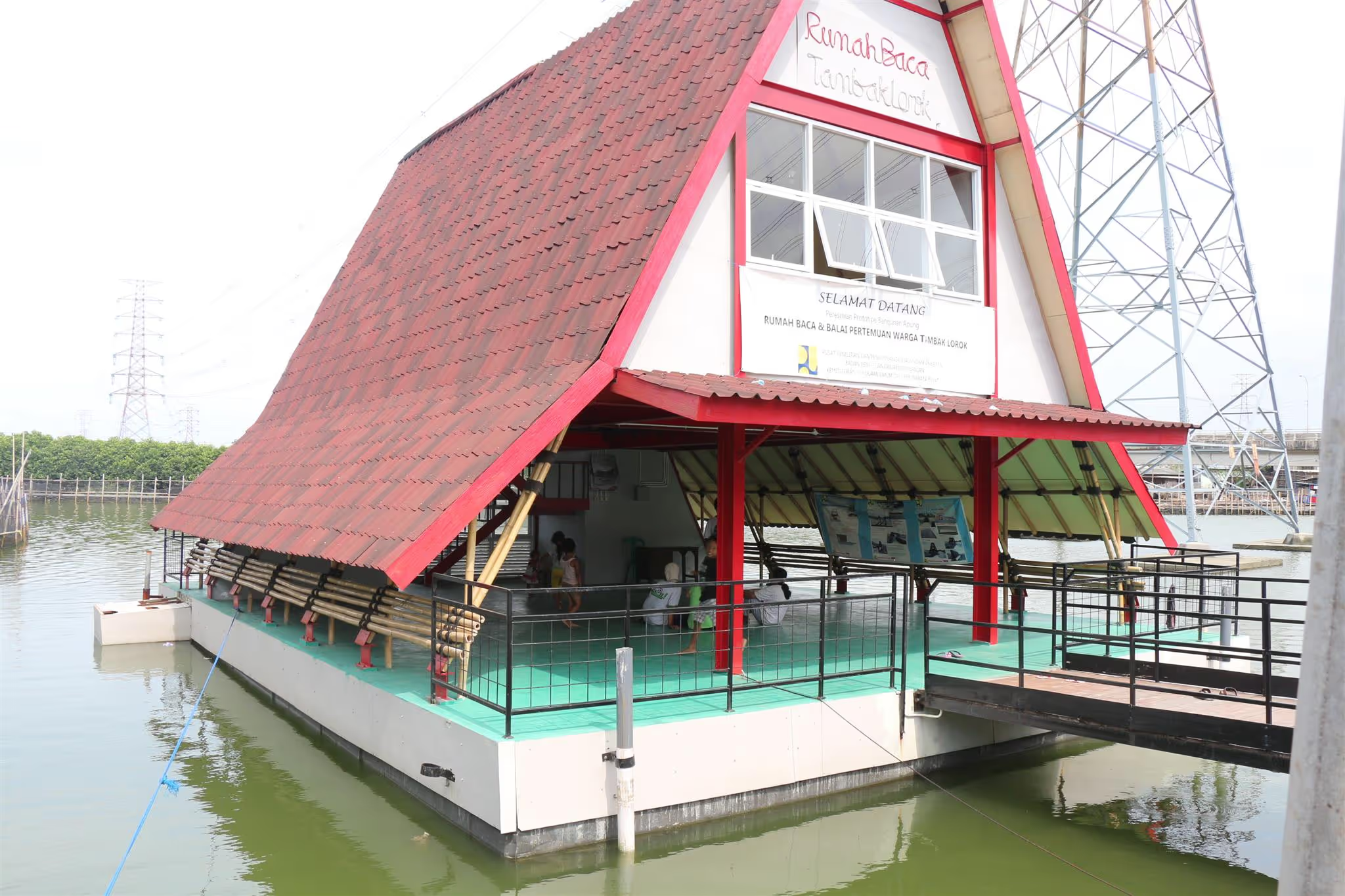

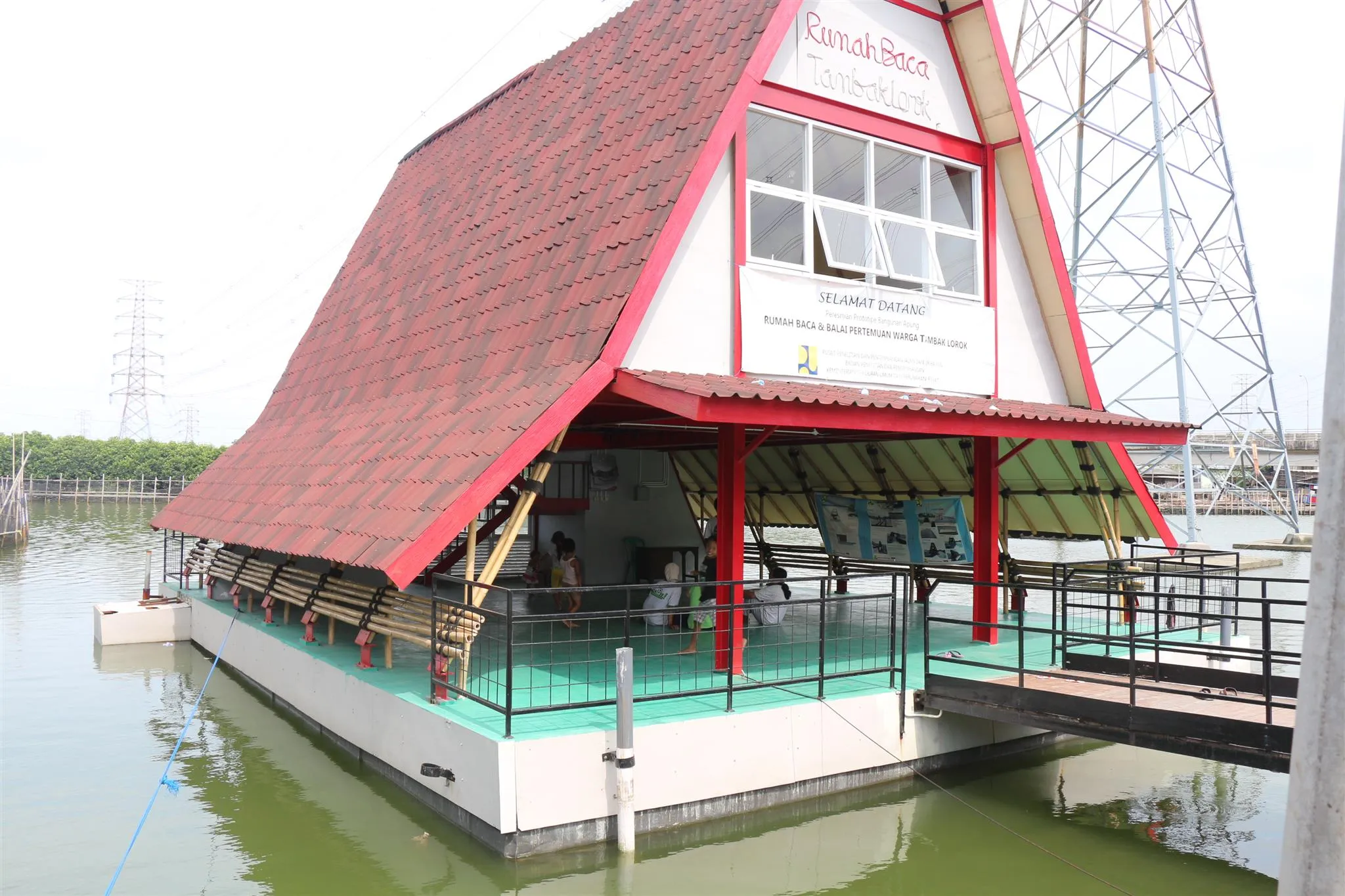
The primary objective of this project was to determine the feasibility of using the Lead User method in a humanitarian setting. The project team believe the methodology can help position them to better support local innovators, through funding, partnerships and the dissemination of their ideas. The current approach to innovation, which includes significant funding going into building innovation labs in Europe and North America, seems inefficient.With this study, IFRC sought to find out different ways that individuals and communities innovate in order to better cope with the challenges and problems associated with floods. The key question is: What kind of user innovations exist in the area of flood resilience? Together with local partners they aimed to discover people and organizations who have already developed workable solutions for their own needs, but who, for different reasons, could not yet diffuse those inventions to others.The final project report provides information on the methodology, activities, outputs, impact and dissemination of learning.