


Research Snapshot: Do we need to rethink Child Friendly Spaces?


Output type
Research snapshot
Location
Uganda
Focus areas
Mental health and psychosocial support (MHPSS)
Topics
No items found.
Programme
Humanitarian Research
Organisations
World Vision
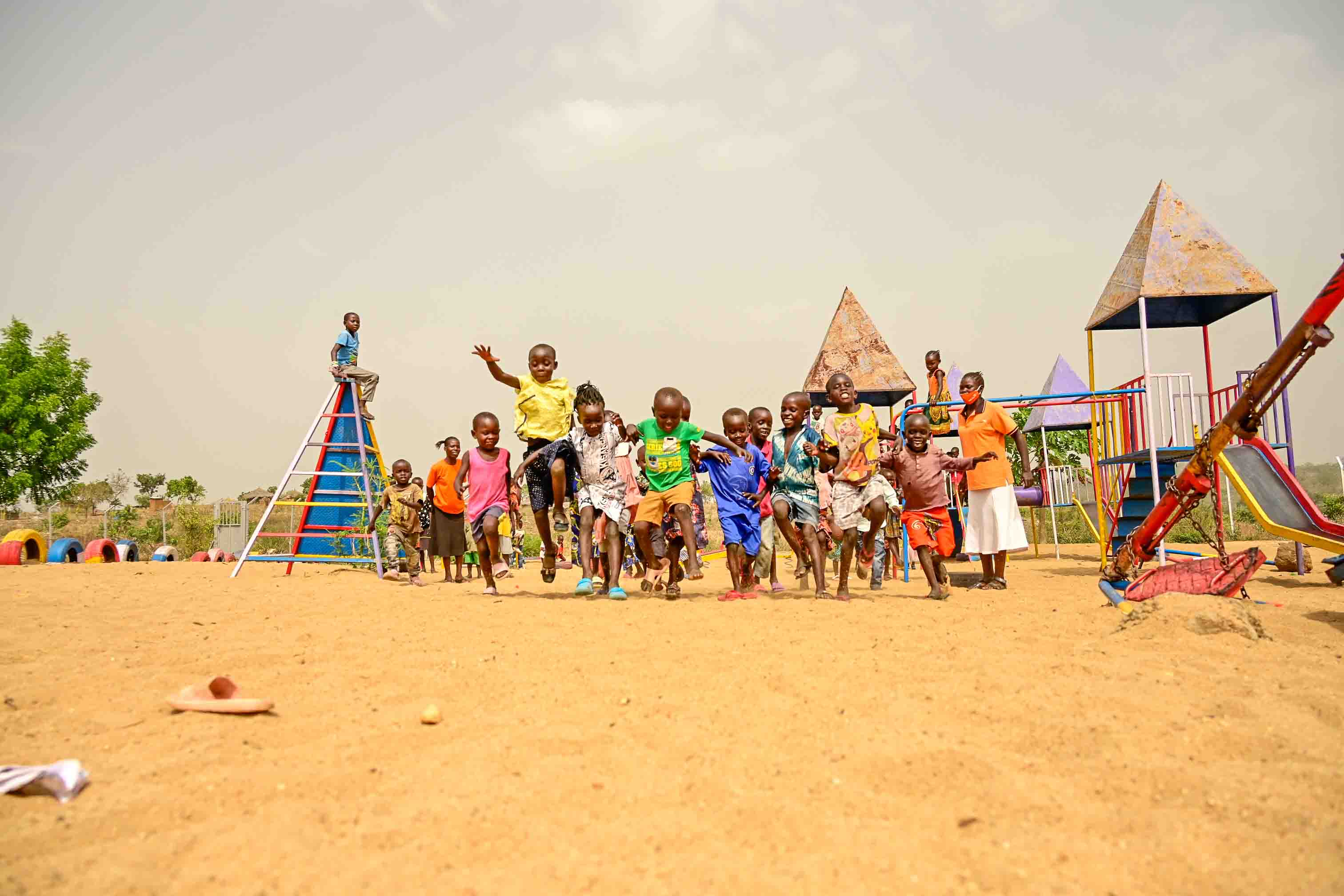

This document provides a two-page summary of the research undertaken as part of the R2HC-funded study Evaluating the Longer-Term Mental Health, Developmental and Systems Impact of Child Friendly Spaces in Humanitarian Emergencies.
This study examined the evidence on the longer-term outcomes and impacts of a commonly used humanitarian intervention known as child friendly spaces (CFS). The findings suggest a need for humanitarian actors to rethink the design and implementation of CFS; and continue to evaluate CFS within their overall approach to child protection in emergencies.
This Snapshot summarises:
- Background to the research and how the research was conducted,
- Key findings,
- Implications for humanitarian practitioners and policymakers,
- Recommendations,
- Further reading.
No items found.
Attachments
Other resources
explore all resources
Performance of a safe and dignified burial intervention during an Ebola epidemic in the eastern Democratic Republic of the Congo, 2018–2019
Innovation Challenge Handbook: driving the adoption of GBV M&E approaches
Countering early marriage and fertility: A focus on Bangladesh’s Rohingya Camps