


Research Snapshot: Humanitarian COVID-19 safety protocols


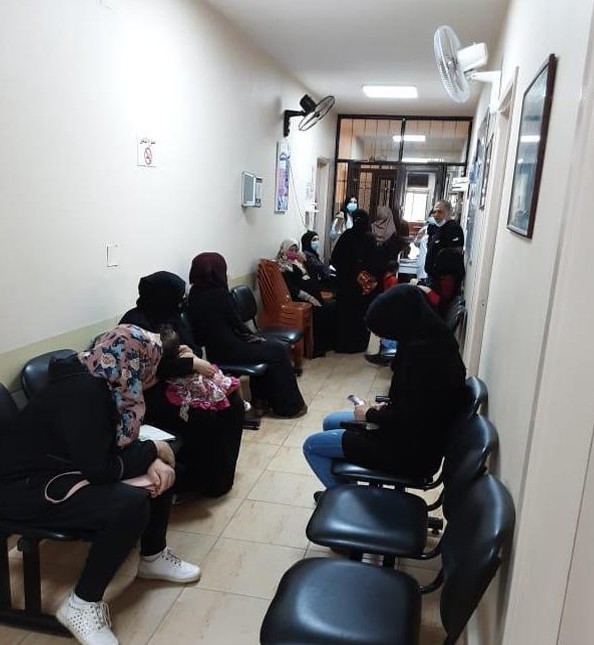

This Research Snapshot summarises findings of the research undertaken as part of the R2HC-funded study Using Humanitarian Engineering in Refugee Humanitarian Interventions - Elrha
To provide services to refugees safely during the COVID-19 pandemic, NGOs have instituted safety protocols to mitigate the risk of spreading infection in crisis settings. This study aimed to better understand how these protocols were being followed on the ground and examine barriers to adherence.
The study focused on social distancing, mask wearing, and hand hygiene, measuring how well those protocols were followed during different types of services and with different refugee populations. The study findings indicate that safety protocols instituted by NGOs in refugee camp settings are not always followed and the adherence varies in different service settings. Humanitarian actors should consider that factors such as COVID-19 scepticism and local culture play a role in adherence to protocols.