


Vaccine Delivery in Humanitarian Settings
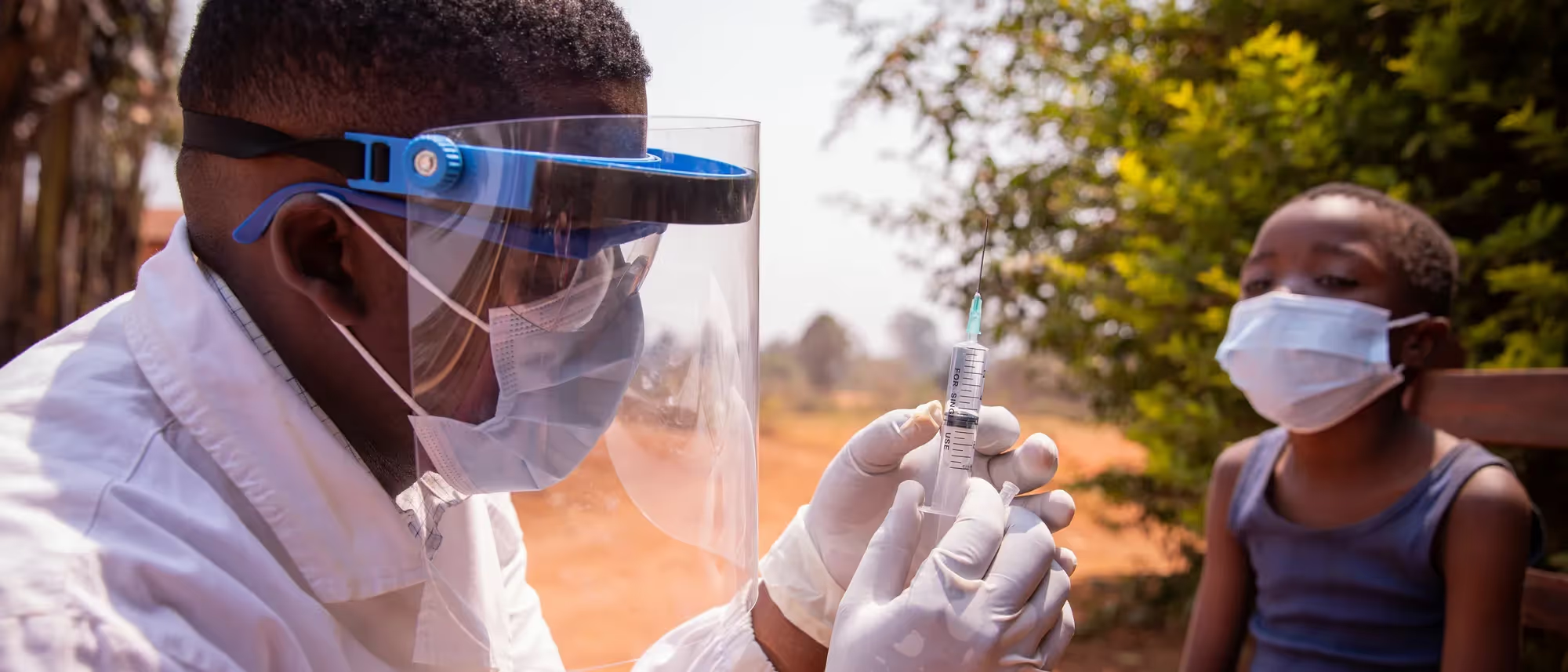
Project overview
This project generated evidence on community engagement for vaccination in humanitarian settings. By co-designing vaccine delivery approaches with communities, it developed practical guidance and tools to improve vaccine uptake, strengthen trust, and support more effective and locally led immunisation programmes.
Project solution
This project offers [specific solution or intervention] to tackle [challenge]. By implementing [strategies, tools, or innovations], the project aims to achieve [desired outcomes]. The approach is designed to [specific actions or methods] to bring about meaningful change in [community, region, or issue area].
Expected outcomes
This project aims to achieve [specific outcomes], such as [measurable results, improvements, or changes]. The expected impact includes [benefits to the target community, advancements in research or innovation, or long-term effects]. By the end of the project, we anticipate [specific changes or milestones] that will contribute to [broader goals or objectives].
What was the innovation?
The project aimed to generate new evidence on the dynamics of community engagement and establish a global community of evidence and practice around community engagement for vaccination in humanitarian settings. It explored existing practices and challenges involved in vaccine uptake and delivery, developing guidance and tools for community-led vaccine deployment strategies.
Why we need to innovate
Despite consensus on the importance of community engagement in effective vaccination programmes, we do not know which strategies are most effective at improving vaccination uptake – vaccination programmes are not fully co-developed with local communities, and evaluation evidence is lacking on how the co-production process affects vaccine deployment strategies.
What was the opportunity?
Vaccine delivery challenges are complex and interconnected, ranging from logistical concerns to health system capacity and confidence in vaccines. Rather than treating communities as passive recipients, the project co-designed vaccine delivery programmes with them, collaboratively developing and evaluating community engagement strategies to help overcome implementation challenges.
Project delivery & updates
Stay up to date with the latest developments from this project. Here, you will find details on what has been delivered, resources created, and regular updates as the project progresses. Access key documents, reports, and other materials to see how the project is making an impact.