


Adaptive Learning for Humanitarian Impact: Harnessing Real-Time Tacit Knowledge
Project overview
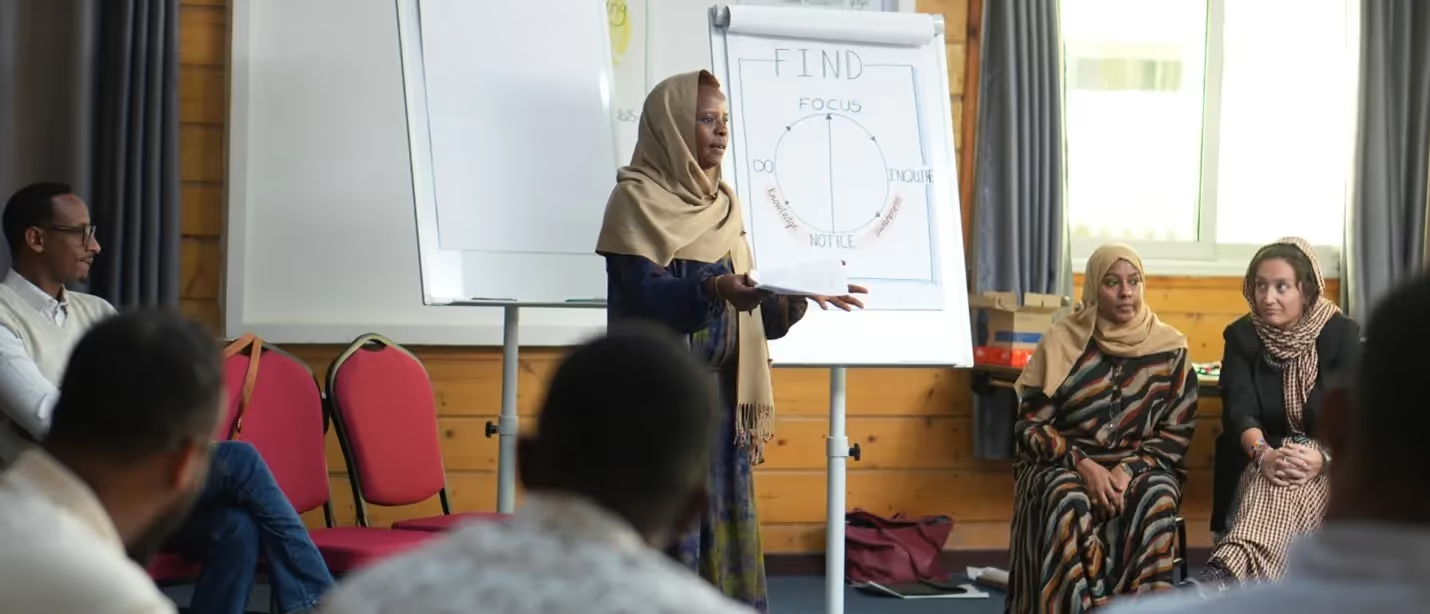
This project explored how humanitarian organisations can better capture and use tacit knowledge gained through frontline experience. Through workshops and shared learning, it strengthened adaptive learning practices, promoted collaboration, and supported more responsive and effective humanitarian partnerships in Somalia.
Project solution
This project offers [specific solution or intervention] to tackle [challenge]. By implementing [strategies, tools, or innovations], the project aims to achieve [desired outcomes]. The approach is designed to [specific actions or methods] to bring about meaningful change in [community, region, or issue area].
Expected outcomes
This project aims to achieve [specific outcomes], such as [measurable results, improvements, or changes]. The expected impact includes [benefits to the target community, advancements in research or innovation, or long-term effects]. By the end of the project, we anticipate [specific changes or milestones] that will contribute to [broader goals or objectives].
What was the project?
We have worked in collaboration with the Centre for Humanitarian Change (CHC) to support Adaptive Learning partners: GREDO, SADO, MCAN, ACTED, REACH, local NGOs, and other networks.
The project aimed to embed a learning culture that helped humanitarian organisations adapt quickly to changing conditions by leveraging real-time, on-the-ground knowledge. In particular, the project focused on the importance and role of tacit knowledge - the unwritten or undocumented form of knowledge and skills acquired through observation and practical experience – in humanitarian organisational learning.
Through workshops to generate insights and resources, this initiative promoted adaptive learning practices to leverage tacit knowledge to strengthen design and timeliness of humanitarian partnerships.
Why does this matter?
Humanitarian workers operate in fast-changing, resource-limited conditions where learning is essential, though often hindered by little experience of the methods and strategies that can ensure that tacit learning is used to learn and adapt effectively and in real time, including:
Internal challenges: Slow adoption of frontline recommendations and difficulty embedding tacit learning in daily operations.
Sector-wide challenges: Limited collaboration, competition, and lack of access for local and national actors to key learning spaces.
This results in missed opportunities to leverage knowledge to inform decision-making and action. By focusing on adaptive learning in Somalia, this initiative aimed to support humanitarian actors to adapt and innovate during crises, particularly through the role of tacit knowledge.
What was the opportunity?
Each action provided opportunities to learn, adapt and strengthen responses. This initiative focused on:
- Facilitating real-time knowledge sharing: Workshops that helped frontline actors learn how to share tacit learning insights and use them to adapt quickly.
- Overcoming learning barriers: Sessions that identified challenges like cultural, language and operational obstacles (such as time), and propose solutions.
- Creating adaptable resources: Insights from the workshops described strategies and tools that could benefit the broader sector.
By capturing and sharing these learnings, the project aimed to strengthen humanitarian responses, foster collaboration, and support capacity building through a series of workshops and Learning Insights, to help shape the development of an Adaptive Learning Strategy to guide future efforts.
Project delivery & updates
Stay up to date with the latest developments from this project. Here, you will find details on what has been delivered, resources created, and regular updates as the project progresses. Access key documents, reports, and other materials to see how the project is making an impact.