


Research Snapshot: Legal status and healthcare access for Venezuelan migrant women in Colombia


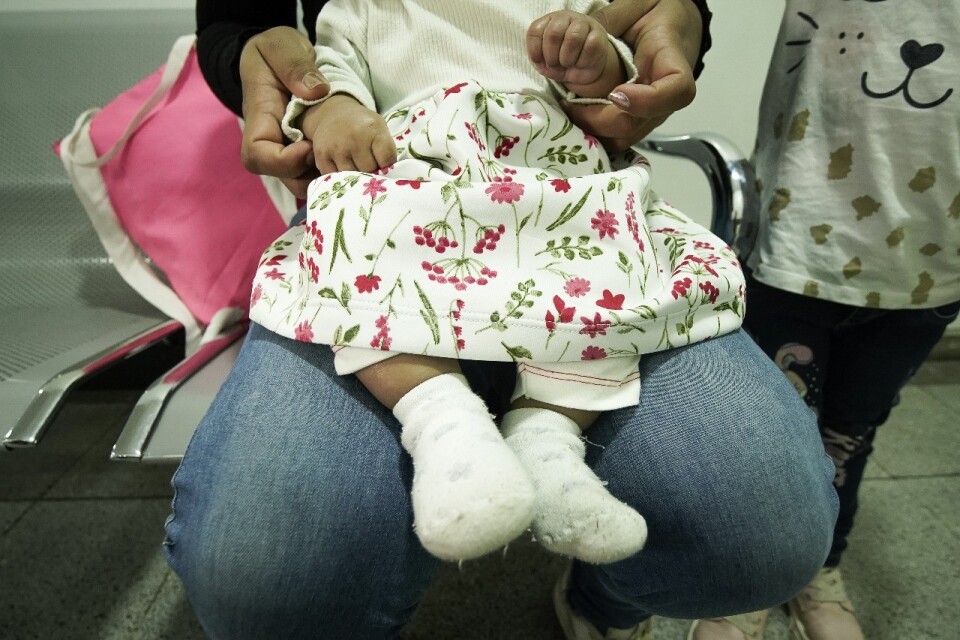

Colombia’s Estatuto de Protección Temporal para Migrantes Venezolanos (ETPMV) policy (which expired in 2024) successfully increased enrollment of Venezuelan migrant women in Colombia's health system by about 134% from 2020 to 2023, but health service usage declined, suggesting limited access despite enrollment.
Migrant women face ongoing barriers to healthcare in addition to insurance status, including experiences of discrimination, costs of care, inadequate knowledge of migrant pathways to healthcare among healthcare personnel, and reliance on inconsistent emergency services. Targeted policies and strategies are needed to address these barriers. Further research should focus on strategies to build on the EMPTV’s impact and improve healthcare access, including exploring interventions at the provider level.
This snapshot contains key messages, findings, implications for humanitarian policymakers and practitioners and recommendations for further research.